
How To
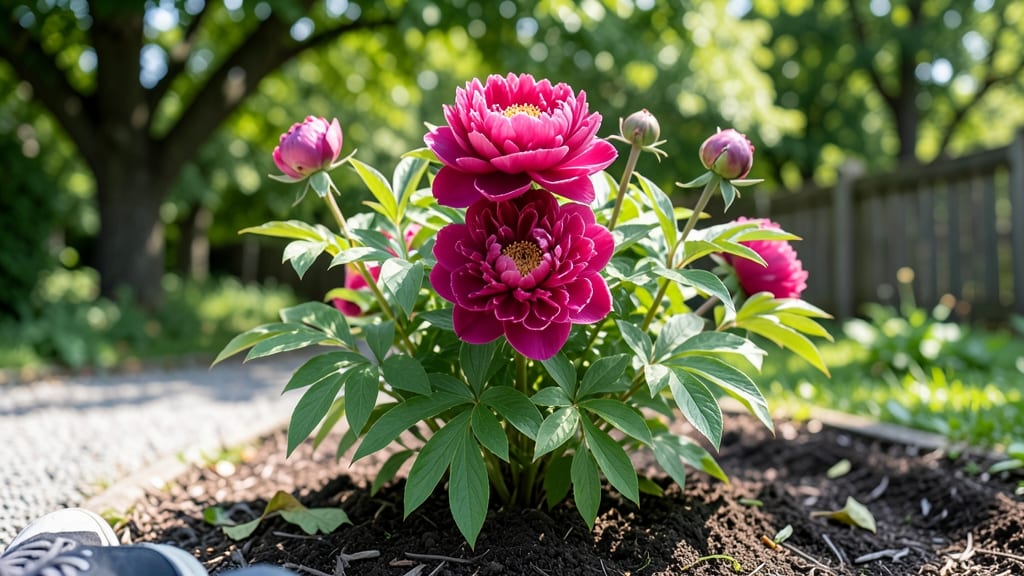
If you've ever wondered how tall peonies grow, the answer might surprise you—these 🌸 beauties can range from compact 1-foot wonders to towering giants reaching 5 feet or more, depending on the type.
Whether you're dreaming of a cottage garden border or a dramatic focal point, understanding peony height is the first step to creating the perfect display.
Herbaceous peonies, the most common type, typically grow between 2 and 4 feet, while tree peonies can stretch even taller, sometimes exceeding 6 feet with proper care.
The key to maximizing their height lies in choosing the right variety for your space and giving them the ideal growing conditions—like full sun and well-draining soil.
But here's the catch: peony height isn't just about genetics. Factors like sunlight exposure, soil quality, and even pruning habits can influence how tall your plants grow.
In this guide, I'll break down the exact height ranges by cultivar type and share pro tips to help your peonies reach their full potential.
Ready to transform your garden with these stunning blooms? Let's dive into everything you need to know to pick the perfect peony—and watch it thrive.

Peony height ranges by cultivar type: from dwarf to giant varieties
Peonies come in three main types, each with distinct height ranges that dramatically impact your garden design. The most common are herbaceous peonies, which die back to the ground each winter but rebound with lush foliage and blooms each spring.
These typically reach 2 to 4 feet tall, making them ideal for border plantings. Then there are tree peonies, which grow on woody stems and can reach 3 to 6 feet tall, often resembling small shrubs.
Lastly, intersectional peonies—a hybrid of the two—offer a middle ground, usually growing 2 to 5 feet tall.
Choosing the right peony height depends entirely on your garden’s layout and aesthetic goals. For example, a dwarf herbaceous peony like 'Bowl of Beauty' stays under 2 feet tall, perfect for containers or front-of-border displays.
Meanwhile, a tree peony like 'Sarah Bernhardt' can soar to 5 feet or more, creating a stunning vertical focal point. Understanding these height differences ensures you select peonies that complement—not compete with—your existing plants.
Here’s how peony heights compare to common garden elements: a 3-foot peony aligns with the height of a standard kitchen counter (36 inches), while a 5-foot tree peony rivals the height of a small child. This makes them versatile for everything from cottage gardens to formal landscapes.
The key is matching the peony’s mature height to its intended location—whether that’s a cutting garden, a border edge, or even a container arrangement.
| Peony Type | Height Range | Popular Cultivars | Best For |
|---|---|---|---|
| Dwarf Herbaceous | 1–2 ft | 'Bowl of Beauty', 'Coral Charm' | Containers, rock gardens |
| Semi-Dwarf Herbaceous | 2–3 ft | 'Sarah Bernhardt', 'Café au Lait' | Border edges, cottage gardens |
| Standard Herbaceous | 3–4 ft | 'Belle of Saratoga', 'Kansas' | Cutting gardens, back borders |
| Tree Peonies | 3–6 ft | 'Shin-Shu', 'Festiva Maxima' | Shrub borders, focal points |
| Intersectional Peonies | 2–5 ft | 'Guardian Angel', 'Bartzella' | Mixed borders, perennial beds |
When selecting peonies, consider not just their height but also their bloom size and foliage density. For instance, 'Sarah Bernhardt' may reach 5 feet tall but produces 6-inch-wide blooms, making it a showstopper in a mixed border.
In contrast, 'Bowl of Beauty' stays compact but offers abundant double blooms, ideal for containers or small gardens. Always check the cultivar’s mature height and spread before purchasing to avoid surprises.
Another critical factor is the growth rate of peonies. Most herbaceous peonies take 2–3 years to reach their mature height, while tree peonies grow more slowly, often taking 3–5 years to fully establish.
This means if you’re planting peonies in a new garden, plan ahead—especially if you’re aiming for a tall, dramatic backdrop. Patience pays off, as established peonies not only grow taller but also produce larger, more abundant blooms each year.
If you’re working with limited space, dwarf and semi-dwarf varieties are your best bet. These peonies thrive in containers, window boxes, or raised beds, making them perfect for urban gardens, patios, or balconies.
For example, 'Coral Charm' grows just 1.5 feet tall but bursts with bright coral-pink blooms, adding a pop of color without overwhelming smaller spaces.
Meanwhile, taller varieties like 'Belle of Saratoga' (up to 4 feet) are better suited for back borders or cutting gardens where their height can be fully appreciated.
One common mistake gardeners make is underestimating how much space peonies need to spread. While height is important, mature spread (often 2–3 feet wide) is just as critical. Planting peonies too closely together can lead to crowded foliage, reduced airflow, and increased disease risk.
Always space peonies 3–4 feet apart to give them room to grow and thrive. This spacing also makes it easier to prune dead foliage in fall and divide clumps every 3–5 years to maintain vigor.
For gardeners in cooler climates
Peony height ranges by cultivar type: from dwarf to giant varieties
When planning your peony garden, understanding peony height ranges is key to creating the perfect layout. Peonies fall into three main categories based on size: dwarf varieties (1-2 feet), semi-dwarf types (2-3 feet), and standard herbaceous peonies (3-5 feet).
Even within these groups, specific cultivars can vary by several inches, so choosing the right type for your space is essential.
Tree peonies, which grow on woody stems, typically reach 3-6 feet tall at maturity, making them ideal for tall borders or as standalone specimen plants. Their upright growth habit contrasts with herbaceous peonies, which often have bushier, more rounded forms.
Knowing these differences helps you pair peonies with complementary plants for a balanced garden design.
| Peony Type | Height Range | Growth Habit | Best For |
|---|---|---|---|
| Dwarf Herbaceous | 1-2 ft | Compact, rounded | Containers, rock gardens |
| Semi-Dwarf Herbaceous | 2-3 ft | Bushy, medium spread | Border edges, cottage gardens |
| Standard Herbaceous | 3-5 ft | Tall, upright | Back of borders, cutting gardens |
| Tree Peonies | 3-6 ft | Woody stems, upright | Specimen planting, tall borders |
Popular dwarf varieties like 'Bowl of Beauty' (18 inches) and 'Sarah Bernhardt' (24 inches) are perfect for small gardens or containers, while standard herbaceous peonies such as 'Kansas' (4 feet) or 'Coral Charm' (4-5 feet) thrive in open spaces.
Tree peonies like 'Shin-Shu' (5-6 feet) add vertical interest and can even be trained against trellises for a dramatic effect.
One surprising fact about peony height is that garden conditions can influence growth. While genetics set the baseline, factors like sunlight exposure, soil fertility, and watering practices can cause plants to grow 10-20% taller or shorter than their expected range.
For example, a semi-dwarf peony in full sun might reach 3 feet, while one in partial shade could stay under 2 feet.
If you're unsure which size to choose, consider your garden's vertical layers. Place taller peonies (4+ feet) at the back of borders, medium-height varieties (2-3 feet) in the middle, and dwarf types (1-2 feet) near walkways or in containers.
This creates a natural, tiered look that draws the eye through your garden while keeping each plant's unique characteristics on display.
Remember that peonies grow slowly in their first few years, so don't be discouraged if a 3-foot variety only reaches 1 foot after its first season. With proper care, it will gradually reach its mature height over 3-5 years, rewarding your patience with abundant, fragrant blooms each spring.