
How To
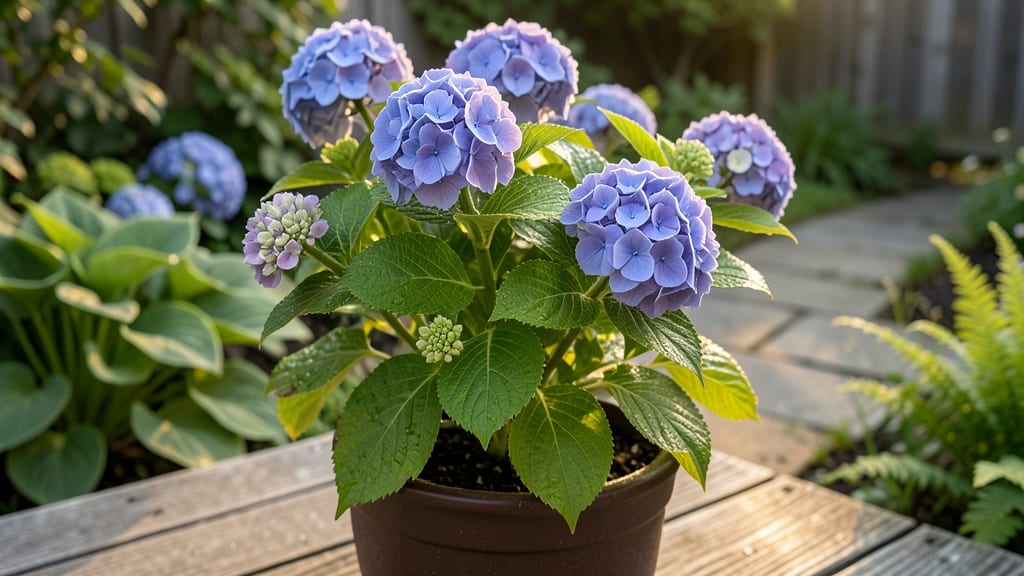
If you’ve ever stared at a hydrangea 🌸 and wondered how tall this plant will grow, whether it’ll soon tower over your patio like a small tree—or stay neatly contained like a shrub—you’re not alone.
The answer isn’t just about luck; it’s about knowing which variety you’re growing and how to guide its growth from the start.
Some hydrangeas barely reach your waist by summer, while others stretch taller than you are, demanding careful planning. The key lies in understanding their natural growth patterns and how simple adjustments—like pruning at the right time or choosing the perfect spot—can make all the difference.
Let’s break down exactly what to expect from your hydrangea based on its type.
Whether you’re dreaming of a lush, 3-foot hedge or a dramatic 8-foot statement plant, this guide will help you pick the right variety for your space—and keep it thriving without overgrowth surprises. Ready to turn guesswork into green thumbs-up?
From dwarf varieties that fit cozy gardens to towering giants that steal the show, we’ll cover everything you need to know to control height and keep your hydrangeas looking their best year after year.

Hydrangea height by variety: from dwarf to tree-sized giants
Hydrangeas come in a stunning range of heights, from compact 1-foot wonders to 8-foot giants that rival small trees. The variety you choose determines not just your plant's height, but also its bloom size, color range, and care needs.
Whether you're designing a container garden or a privacy hedge, knowing these dimensions helps you plan for success.
Most hydrangeas fall into three height categories: dwarf (1-3 ft), semi-dwarf (3-5 ft), and standard (5-8 ft). The key difference? Growth habit—some varieties grow upright like trees, while others sprawl or mound.
Let's break down the most popular types and their mature heights to help you pick the perfect fit for your space.
🌸
| Variety | Type | Mature Height | Spread | Best For |
|---|---|---|---|---|
| Mini Penny® | Mophead | 1-2 ft | 2-3 ft | Containers, small gardens |
| Little Lime® | Panicle | 2-3 ft | 3-4 ft | Borders, foundation plantings |
| Endless Summer® | Mophead | 3-5 ft | 3-5 ft | Mixed borders, hedges |
| Limelight® | Panicle | 4-6 ft | 4-6 ft | Privacy screens, focal points |
| Oakleaf | Oakleaf | 5-8 ft | 5-8 ft | Woodland gardens, large landscapes |
| Annabelle® | Panicle | 3-5 ft | 3-5 ft | Cut flowers, cottage gardens |
| Nikko Blue | Bigleaf | 4-6 ft | 4-6 ft | Shade gardens, woodland edges |
| Grandiflora | Mophead | 5-8 ft | 5-8 ft | Large hedges, specimen plants |
Notice how mophead varieties like Endless Summer® tend to be semi-dwarf to medium-sized, while panicle types like Limelight® often reach taller heights. Oakleaf hydrangeas are the true giants, with some varieties growing as tall as 10 feet in ideal conditions.
If you're working with limited space, dwarf varieties like Mini Penny® are perfect for containers or window boxes.
Height isn't the only factor—growth habit matters too. Some hydrangeas grow in upright columns (like Limelight®), while others form rounded mounds (like Endless Summer®). This affects how you'll need to prune and shape your plants over time.
For example, panicle hydrangeas often grow taller but with lighter stems, while oakleaf varieties have woody stems that support their height naturally.
Your USDA hardiness zone also plays a role in final height. In warmer zones (7-9), hydrangeas often grow 1-2 feet taller than in cooler zones (4-6). For instance, an Oakleaf hydrangea might reach 8 feet in Zone 7 but only 6 feet in Zone 5.
Always check the specific variety's care guide for zone recommendations.
Pro tip: If you're unsure about height, start with a semi-dwarf variety like Little Lime®. These give you flexibility to prune while still providing generous blooms. You can always prune back taller varieties later, but you can't add height once planted. 🌿
For container growing, stick to varieties under 3 feet tall at maturity. Even then, you'll need large, sturdy pots (18
How to control hydrangea height: pruning tips by growth type
Pruning hydrangeas isn’t just about keeping them tidy—it’s the secret weapon to controlling their height and encouraging lush, vibrant blooms. Different varieties respond to pruning in unique ways, so understanding your hydrangea’s growth type is key.
For example, mophead hydrangeas (like 'Endless Summer') thrive when pruned back by one-third in late winter, while panicle hydrangeas (like 'Limelight') need a harder cut to prevent legginess. Let’s break down the best approach for each type to keep your plants at your desired height.
Timing is everything when pruning hydrangeas. Late winter or early spring (before buds swell) is ideal for most varieties, but oakleaf hydrangeas prefer pruning in late winter or early spring to avoid removing next year’s blooms. Lacecap hydrangeas also bloom on old wood, so prune them lightly in late winter to shape without sacrificing flowers.
Always use clean, sharp pruners to make precise cuts just above a bud or node—this encourages bushier growth and prevents unsightly stubs.
- Mophead Hydrangeas: Prune 1/3 of stems in late winter to encourage compact growth and larger blooms. Avoid cutting back old wood.
- Panicle Hydrangeas: Cut back half the stems to 12-18 inches in late winter for a neater, bushier shape and taller blooms.
- Lacecap Hydrangeas: Light pruning in late winter to remove dead or weak stems—never cut back old wood where blooms form.
- Oakleaf Hydrangeas: Prune sparingly in late winter to shape; these thrive with minimal cuts to preserve their unique foliage.
- Smooth Hydrangeas: Prune old wood in late winter to 3-4 buds from the base for vigorous new growth and height control.
If your hydrangeas are already too tall for their space, don’t panic—gradual pruning can bring them back in line. For overgrown mopheads, cut back the tallest stems by half each year until you reach your desired height.
For panicle types, you can prune more aggressively in early spring to reset their growth pattern. Remember, never remove more than 1/3 of the plant in a single pruning session, or you risk shocking the shrub and stunting future blooms.
One common mistake gardeners make is pruning at the wrong time of year. Cutting back hydrangeas in summer or fall removes next year’s flower buds, leaving you with bare stems or sparse blooms. Another pitfall is over-pruning, which can lead to leggy growth or weak stems.
To avoid this, focus on selective pruning: remove only dead, diseased, or crossing branches during the growing season, and save major height adjustments for late winter.
For container-grown hydrangeas, height control is even more critical since space is limited. Use dwarf varieties like 'Little Lime' (panicle) or 'Mini Penny' (mophead), which max out at 2-3 feet tall.
If you’re growing larger varieties in pots, prune them more aggressively in early spring to encourage compact growth. Always water deeply after pruning to help the plant recover and reduce stress.
With the right pruning strategy, you can keep your hydrangeas at the perfect height for your garden—whether that’s a tall, dramatic backdrop or a compact, container-friendly shrub.
Start with the tips above, and soon you’ll have hydrangeas that fit seamlessly into your space while still putting on a showstopping floral display. 🌸