
Companion Plants
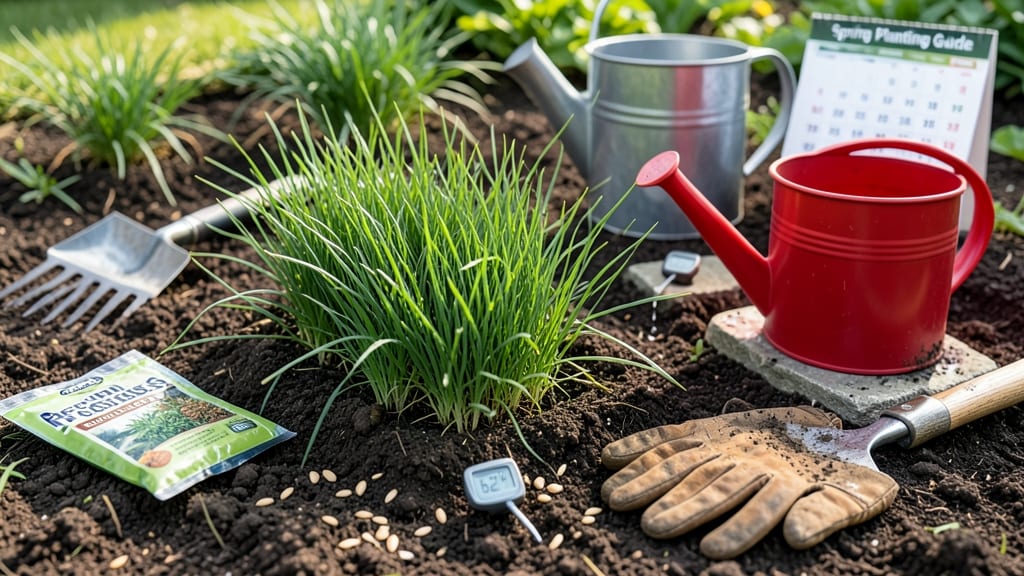
Timing your spring grass planting wrong could mean watching your hard work—and money—go to waste. Whether you're seeding a brand-new lawn or overseeding an existing one, getting the timing right is the key to lush, healthy grass that thrives from day one.
In Zone 6a, where last frost typically hits around April 15, planting too early risks frost damage, while waiting too long lets weeds steal the show.
So how do you know when it's finally safe to break out the seeds? The answer lies in your soil temperature—55-65°F is the sweet spot for most grass varieties.
But don't just guess: a simple soil thermometer check at 2-4 inches deep will give you the exact green light (or red flag) for planting. I'll walk you through everything you need to know, from testing your soil to adjusting for your specific region.
What if you're not in Zone 6a? No problem—I'll also cover how climate differences across the U.S. shift those ideal planting windows. You'll learn to spot the perfect conditions (like warm soil and consistent moisture) and avoid common pitfalls that turn hopeful gardeners into frustrated lawn owners.
Let's get your grass off to the best possible start this spring.
Ready to transform your yard into the envy of the neighborhood? By the end of this guide, you'll have a clear timeline, step-by-step prep tips, and post-planting care tricks that work whether you're a first-time gardener or a seasoned green thumb.
Your dream lawn is just a few weeks—and the right timing—away.
Spring grass planting deadlines by US hardiness Zones
Getting your grass planted at the right time in spring means the difference between a lush, green lawn and a patchy, struggling mess. The key? Soil temperature and your USDA hardiness zone.
Most grass seeds need soil temps between 50°F and 65°F to germinate properly. Plant too early, and frost will kill your tender sprouts. Too late, and weeds will steal your space.
Cool-season grasses like Kentucky bluegrass and fescue thrive when planted in early spring (4-6 weeks before your last frost date). Warm-season grasses like Bermuda or Zoysia prefer late spring (after soil warms to 65°F+). Let’s break down the exact windows for your zone.
| USDA Zone | Ideal Planting Window | Soil Temp Requirement | Last Frost Date |
|---|---|---|---|
| Zones 3-5 (Cold Climates) | Early April to mid-May | 50-55°F | Mid-April to early May |
| Zones 6-7 (Moderate Climates) | Mid-March to early May | 55-60°F | Early April to mid-April |
| Zones 8-10 (Warm Climates) | Late February to early April | 60-65°F | Late February to early March |
*Warm-season grasses should be planted in late spring (May-June) in Zones 8-10.
If you’re in Zone 6a (like many in the Midwest), aim for planting between mid-March and early May. Check your local last frost date—planting 4-6 weeks before ensures your grass has time to establish roots before summer heat arrives.
For example, if your last frost is April 15, start seeding by March 1.
Pro tip: Use a soil thermometer to confirm temps. Stick it 2-4 inches deep (where seeds will be) and wait until it’s consistently in the right range.
Early mornings are best for testing—soil cools overnight and may not reflect daytime warmth. If temps dip below 50°F at night, delay planting until conditions stabilize.
Regional variations matter too. In the Pacific Northwest (Zone 7-9), you might plant as early as February, while in the Deep South (Zone 10), late winter or early spring works best. Always adjust for microclimates—shady spots stay cooler longer, so plant them slightly later.
Don’t forget: Cool-season grasses like ryegrass can handle lighter frosts, but warm-season grasses like Bahia won’t germinate until soil hits 65°F. Match your grass type to your zone’s timeline for best results.
For example, Tall fescue (Zone 4-8) thrives in early spring, while Centipede grass (Zone 7-10) waits for summer.
Once you’ve nailed the timing, prep your soil by removing weeds, tilling lightly, and leveling the area. A pH test (ideal range: 6.0-7.0) ensures your grass gets the nutrients it needs.
Spread seeds evenly—½ pound per 100 sqft is a good rule of thumb—and cover lightly with ¼ inch of soil or compost. Keep it moist (not soggy) until germination, which takes 7-21 days depending on the type.
Miss the spring window? No problem—early fall (August-September in most zones) is the second-best time to plant. Just repeat the soil temp check: cool-season grasses need soil to warm to 60-70°F in fall, while warm-season grasses should be planted when soil cools to 70-75°F.
How to test soil temperature for perfect grass planting timing
Testing your soil temperature is the #1 way to avoid planting grass too early or too late. Cool-season grasses like fescue and ryegrass need soil temps between 50-65°F, while warm-season grasses like Bermuda and Zoysia thrive at 65-75°F.
Without checking, you might plant when the ground is still too cold, leading to poor germination or even seed rot.
You’ll need a soil thermometer (digital or analog) to measure the temperature at the correct depth. For most grasses, check 2-4 inches deep—this mimics where seeds will germinate.
Morning is the best time to test, as temps are stable and won’t fluctuate from daytime heat. If you’re in doubt, test for 3 consecutive days to confirm consistency.
🌡️ Step-by-Step Soil Temperature Guide
- Step 1: Insert thermometer 2-4 inches deep into moist soil.
- Step 2: Wait 30 seconds for an accurate reading.
- Step 3: Record temps for 3 days (morning, midday, evening).
- Step 4: For cool-season grass, aim for 50-65°F avg.
- Step 5: For warm-season grass, wait until 65-75°F avg.
If your soil is below 50°F, hold off on planting—even if it’s March. Grass seeds won’t germinate effectively in cold soil, and you’ll waste money on seeds that won’t sprout.
Pro tip: Use a soil warming mat (available at garden centers) if you’re eager to plant early in cooler climates. These mats raise soil temps by 10-15°F, creating ideal conditions for germination.
Once your soil hits the ideal temperature range, act fast! Grass seeds have a limited germination window—typically 7-14 days—before they lose viability.
If you’re in Zone 5 or colder, prioritize planting 4-6 weeks before your last frost date to ensure your lawn establishes before summer heat arrives. For Zones 7-10, aim for early spring (March-April) or late summer (August-September) to avoid peak heat stress.
Don’t overlook moisture levels alongside temperature. Even at the right temp, dry soil can prevent germination. Water the area 1-2 days before planting to ensure the soil is moist but not soggy.
A simple test: Grab a handful of soil—if it holds its shape when squeezed but crumbles when dropped, it’s perfect for seeding. If it’s too dry, water deeply and wait 24 hours before planting.
For warm-season grasses, timing is just as critical. Planting too early (when soil is still cool) can stunt growth, while waiting too long risks weed competition or dormancy before the grass can establish.
In Southern states (Zones 8-10), the best window is often late spring (May-June), when soil temps consistently stay above 70°F. Use a shade cloth if planting in early summer to protect young seedlings from intense sun.
Finally, keep a planting journal to track soil temps and outcomes. Note the exact dates you planted, the soil temp at the time, and how quickly germination occurred. This helps you refine your timing for future lawns.
For example, you might discover that your microclimate (like a south-facing slope) warms up 2 weeks earlier than the general zone guidelines suggest. Adjust accordingly!