
Plants
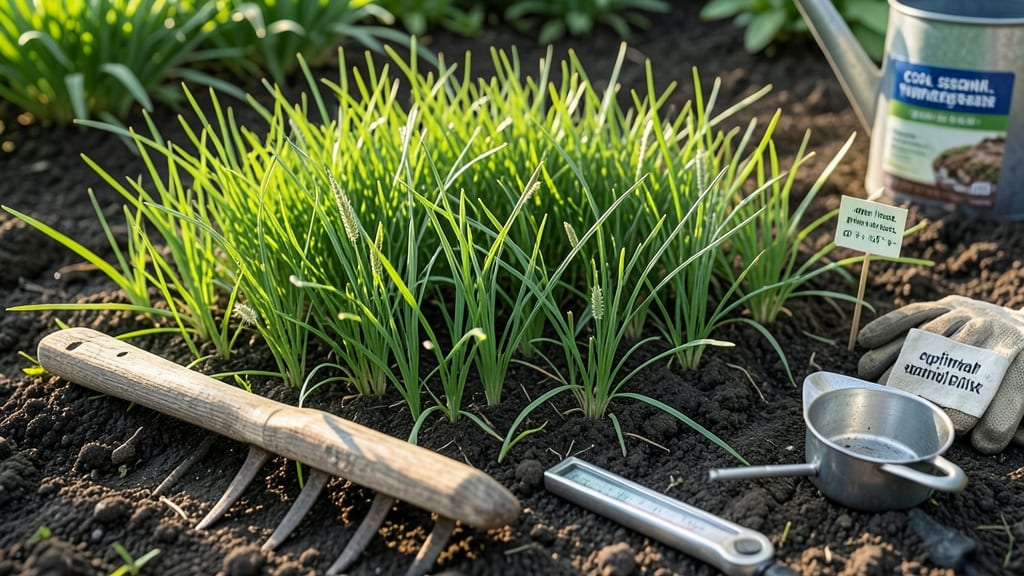
Timing your spring grass planting perfectly can mean the difference between a lush, green lawn and months of bare soil—so knowing your USDA zone is everything.
In Zone 6a, where I live, the ideal window opens as soon as the soil warms to 55–65°F and stays frost-free, typically around mid-April. Planting too early risks frost damage, while waiting too long can leave your lawn vulnerable to weeds and summer heat stress.
If you've ever stared at your calendar wondering, "Is it finally time to plant that grass?", you're not alone. The key is balancing soil temperature, frost risk, and seed type—cool-season grasses like Kentucky Bluegrass thrive in early spring, while warm-season varieties like Bermuda prefer late spring.
Let me walk you through exactly how to check your conditions and pick the right timing for your 🌱 Grass (Turfgrass) variety.
Most gardeners make one of two mistakes: planting when the air feels warm but the soil is still cold, or waiting until summer when the seeds struggle to germinate. The solution? Test your soil with a thermometer (or press your hand into the ground—if it feels cool, it's not ready).
I'll also share how to adjust for regional quirks, like sudden late frosts or unusually dry springs.
By the end of this guide, you'll know exactly when to plant grass in your area, which seeds to choose, and how to care for them once they're in the ground. No more guesswork—just a thriving lawn that starts with the right timing.
USDA Zone-based spring grass planting timeline: exact dates by region
Planting grass in spring depends entirely on your USDA hardiness zone—cool-season grasses like Kentucky Bluegrass thrive when soil warms to 55–65°F, while warm-season types such as Bermuda need 70°F+.
Regions with late frosts (Zones 3–5) should wait until after April 15, while southern zones (8–11) can start as early as February once frost risk fades. Timing this right ensures germination success and avoids patchy growth from premature planting.
For cool-season grasses, the ideal window is 4–6 weeks before your last frost date. This gives seedlings time to establish roots before summer heat stress. In contrast, warm-season grasses should be planted after Memorial Day (typically late May) when soil temperatures consistently stay above 70°F.
Skipping this step often leads to slow germination or seedling death.
Here’s how your zone affects timing:
| USDA Zone | Cool-Season Grass Window | Warm-Season Grass Window | Key Soil Temp (°F) |
|---|---|---|---|
| 3–5 (Cold) | Mid-April to early May | Late May to June | 55–65°F (cool-season) / 70°F+ (warm-season) |
| 6–7 (Temperate) | Early April to late April | Early May to June | 55–65°F (cool-season) / 70°F+ (warm-season) |
| 8–9 (Warm) | February to early March | April to May | 60–65°F (cool-season) / 75°F+ (warm-season) |
| 10–11 (Hot) | January to February | March to April | 65°F+ (cool-season) / 80°F+ (warm-season) |
In Zone 6a (like my own yard), I plant tall fescue in early April once soil hits 58°F. This timing aligns with the last frost date (April 15) and gives seedlings 6–8 weeks to root before summer heat.
For warm-season grasses, I wait until June 1—after Memorial Day—to avoid frost damage to tender new shoots.
Local microclimates matter too. Northern slopes or shady areas may stay cooler longer, delaying planting by 1–2 weeks. Use a soil thermometer to confirm readiness—don’t rely solely on calendar dates.
I’ve learned this the hard way after planting Kentucky Bluegrass too early in Zone 6, only to see seedlings wilt under late frost.
Another critical factor is rainfall patterns. Regions with dry springs (like the Southwest) may need irrigation planning before planting. In contrast, wet climates (Pacific Northwest) can start earlier but risk waterlogged soil if planted too soon.
Always check your local frost calendar and adjust by ±7 days based on recent weather trends.
If you’re unsure about your zone, use the USDA Plant Hardiness Zone Map (available online) to find your exact location. Enter your ZIP code, and it’ll show your zone plus nearby variations.
For example, Denver (Zone 5b) might have a last frost date of May 5, while Phoenix (Zone 10a) can plant warm-season grass in March. This precision saves time and money.
Pro tip: Seed packets often list ideal planting months—cross-reference these with your zone’s frost dates. For instance, perennial ryegrass seeds might say “plant in fall or spring,” but in Zone 4, spring planting should wait until May 1 to avoid frost damage. Always read the fine print!
Finally, consider overseeding existing lawns in early spring (before April 15 in most zones) to fill thin patches. Cool-season grasses like fine fescue germinate quickly in 50–60°F soil, making it a great early-spring strategy for quick results.
Just avoid overseeding if your lawn has active weeds or fungal issues.
Timing your grass planting isn’t just about dates—it’s about soil temperature, frost risk, and grass type. Use this zone guide as your starting point, then adjust based on your local weather. With the right timing, you’ll see uniform germination and a lush lawn by summer. 🌱
How to check soil temperature and frost risk before planting grass
Before you rush to spread grass seed, checking two critical factors—soil temperature and frost risk—will determine whether your new lawn thrives or struggles. Cool-season grasses like Kentucky Bluegrass need soil temps between 55–65°F (13–18°C), while warm-season types such as Bermuda require 70°F+ (21°C+).
Planting too early can lead to seed rot, and too late means missed growing seasons.
Start by testing your soil’s temperature with a soil thermometer, inserted 2–4 inches deep. Early spring often brings unpredictable nighttime frosts, so consult your local frost calendar (available via USDA Plant Hardiness Zone Map or National Weather Service) to avoid last-minute damage.
For example, in USDA Zone 5, wait until mid-April when the average last frost date has passed.
🌱
⚠️ Critical Warning: Planting Grass Too Early
Frost damage kills seedlings, while cold soil delays germination. If your soil thermometer reads below 50°F (10°C), wait at least 2–4 weeks—or until nighttime temps consistently stay above 40°F (4°C). Use a frost cloth only as a last resort; it’s better to plant when conditions are ideal.
For precise timing, use the 30-day average rule: Plant when the average daily low hasn’t dropped below 40°F (4°C) for the past month. Tools like the Old Farmer’s Almanac or NOAA frost maps provide historical data for your area.
Pro tip: Warm the soil faster by covering bare spots with black plastic mulch for 1–2 weeks before planting.
If you’re unsure about your local frost dates, sign up for text alerts from your local cooperative extension service. They often send warnings for last frost dates and heat advisories that impact grass growth.
For example, Zone 7 gardeners should aim for early March, while Zone 10 can plant as late as June for warm-season grasses.
Once you’ve confirmed soil temps and frost risk, take one final step: water the soil deeply 24 hours before planting. This ensures seeds make immediate contact with moisture, giving them the best start.
Pair this with a light layer of compost to retain warmth and humidity—critical for germination in cooler springs.
💧