
Planting
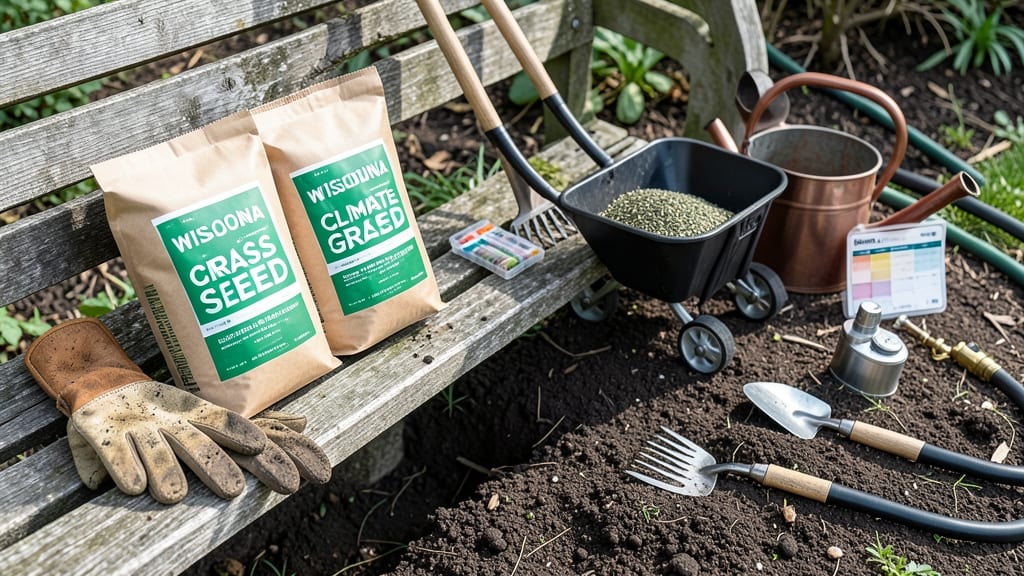
If you're staring at a patchy Wisconsin lawn and wondering "when can I plant grass seed in Wisconsin", timing is everything—and getting it wrong could mean months of frustration.
The Badger State’s shifting seasons make it tricky, but I’ve cracked the code after years of trial and error (and a few too many failed spring experiments).
Most gardeners swear by early spring or fall planting, but Wisconsin’s 4a-6b zones demand precision. Plant too early, and frost will nip your seedlings in the bud. Wait too long, and summer heat turns your seed into a crispy snack.
The secret? Knowing exactly when soil temperatures hit that sweet spot—50-65°F—for optimal germination.
I’ll walk you through the exact months to plant in your specific zone, plus soil prep tricks that’ll make your grass grow like it’s on steroids. No more guessing—just a lush lawn that’ll make your neighbors jealous. Let’s get started.
Whether you’re a first-time gardener or a seasoned pro, these insights will save you time, money, and the heartache of watching your seed money blow away in the wind. Trust me, your future lawn will thank you.
Wisconsin grass seed planting calendar by hardiness Zone (exact months for success)
Timing your grass seed planting in Wisconsin depends heavily on your USDA hardiness zone (3-7) and whether you're planting in spring or fall. The average last frost date—typically mid-April to early May—serves as your anchor, but soil temperature and regional microclimates play critical roles.
For example, Milwaukee (Zone 5b) has a shorter growing window than Eau Claire (Zone 4b), where early spring planting can risk frost damage.
Most Wisconsin gardeners achieve the best results by planting either 4-6 weeks before the last frost (early spring) or in early fall (late August to early October). This timing ensures optimal soil temperatures (50-65°F) and 6-8 weeks of growth before winter dormancy.
Cool-season grasses like Kentucky bluegrass and fescue dominate Wisconsin lawns, thriving in these windows, while warm-season Bermuda grass is rare and requires later planting.
Here’s how to align your planting schedule with Wisconsin’s 5 hardiness zones, including exact months and soil temperature thresholds for success:
| Zone | Last Frost Date | Ideal Spring Planting Window | Ideal Fall Planting Window | Soil Temp Threshold (°F) | Notes |
|---|---|---|---|---|---|
| 4a (Northern WI) | May 15 | Late April–May 1 | Late August–September 15 | 50–60°F | Short season; prioritize fall planting. |
| 4b (Eau Claire) | May 1 | Mid-April–April 30 | Early September–October 1 | 50–65°F | Spring planting risky; use frost cloth if early. |
| 5a (Madison) | April 25 | Late March–April 15 | Mid-August–September 30 | 55–65°F | Best balance for spring/fall planting. |
| 5b (Milwaukee) | April 15 | Early March–April 30 | Late August–October 10 | 55–70°F | Longer spring window; avoid late May planting. |
| 6b (Southern WI) | April 10 | February 15–April 15 | September 1–October 15 | 60–70°F | Warmest zone; spring planting can start earlier. |
Spring planting in Wisconsin offers the longest growing season, but late spring (May-June) can lead to heat stress and weed competition. For example, in Zone 5b (Milwaukee), planting after April 30 risks shallow root systems before summer droughts hit.
Fall planting, however, is often more reliable because cooler temps reduce weed pressure and allow roots to establish before winter.
If you’re in Zone 4a or 4b, focus on fall planting (late August–September) to avoid the short spring window. These zones have the earliest first frost dates (mid-October), leaving little time for grass to mature if planted in spring. Meanwhile, Zone 6
How to prepare soil and choose grass seed for Wisconsin’s climate
Preparing your soil and selecting the right grass seed are just as critical as timing your planting. Wisconsin’s cool-season climate demands careful soil prep to ensure strong root growth and weed suppression.
Start by testing your soil pH—most Wisconsin lawns thrive between 6.0 and 7.0. If your soil is too acidic or alkaline, amend it with lime or sulfur before planting.
Next, clear the area of debris, rocks, and weeds. Use a lawn rake or broadfork to loosen the top 2-3 inches of soil. This improves aeration and water absorption, which are key for seed germination.
For compacted soil, consider core aeration a few weeks before planting to break up hardpan layers.
| Task | When to Do It | Tools Needed |
|---|---|---|
| Test soil pH | 4-6 weeks before planting | pH test kit, lime/sulfur |
| Remove debris/weeds | 2-3 weeks before planting | Rake, hoe, pre-emergent herbicide (optional) |
| Aerate soil | 4-6 weeks before planting (compacted soil) | Core aerator, broadfork |
| Spread compost | 1-2 weeks before planting | Garden compost, rake |
When selecting grass seed, Wisconsin’s climate favors cool-season grasses like Kentucky bluegrass, fine fescue, and perennial ryegrass. These varieties thrive in USDA Zones 3-6, which cover most of the state.
For shady areas, consider tall fescue, which tolerates lower light conditions better than other cool-season grasses.
For new lawns, use a seed blend that includes multiple grass types to ensure disease resistance and drought tolerance. Avoid cheap seed mixes with high weed content—look for labels with at least 80% pure grass seed.
Over time, you can transition to a single variety once your lawn is established.
Avoid these common mistakes: planting warm-season grasses like Bermuda or Zoysia (they won’t survive Wisconsin winters), overseeding too late in fall (after mid-October), or skipping soil prep. Proper prep and seed selection ensure your lawn establishes quickly and resists weeds and pests.
After planting, keep the soil consistently moist but not waterlogged. Lightly water twice daily for the first week, then taper to once daily until germination (about 14-21 days). Mulch with straw to retain moisture and protect seeds from wind.