
Planting
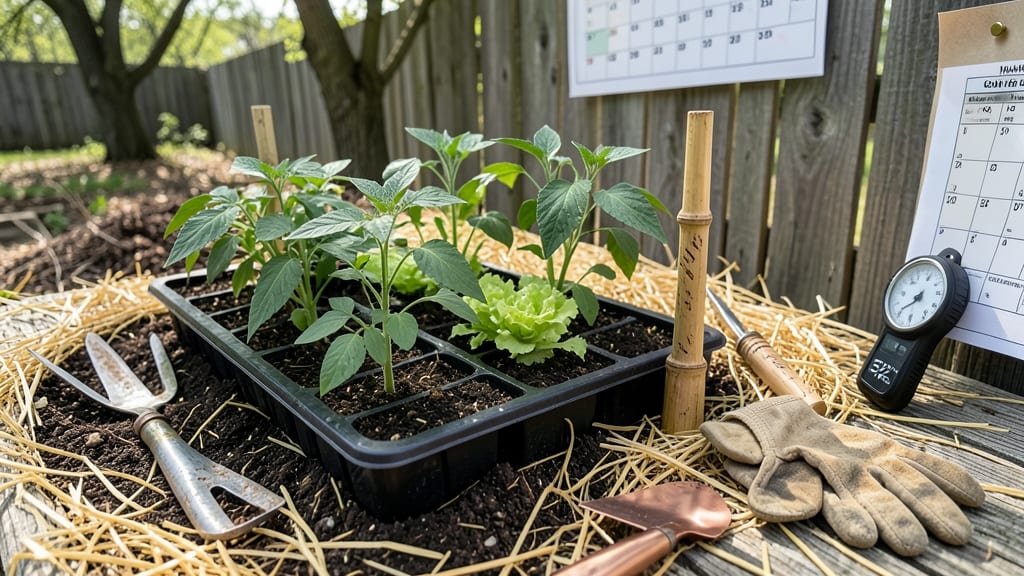
If you're asking "when can I plant my garden in Michigan", timing is everything—and getting it wrong could mean wasted seeds or stunted plants.
Michigan's unpredictable weather makes this one of the trickiest states for gardeners, where a late frost in May can turn your hard work into a sad, frosted mess.
But here's the good news: with the right strategy, you can beat the odds and enjoy a bountiful harvest. I'll break down exactly when to plant based on your specific USDA zone, which crops thrive in Michigan's short season, and how to extend it with simple tricks like row covers.
No more guessing—just proven techniques.
Whether you're a first-time gardener or a seasoned pro, knowing your last-frost dates is the key to success. We'll cover everything from cold-hardy greens to heat-loving tomatoes, so you can plant with confidence. Let's get your Michigan garden off to the best possible start.
Ready to turn your backyard into a thriving oasis? The growing season won't wait—let's make sure you're prepared to take full advantage of it.
Michigan last-frost dates by Zone: when to start planting
Michigan spans USDA Hardiness Zones 4a through 6b, meaning frost dates vary dramatically from the Upper Peninsula to southern counties. In Zone 4a (e.g., Marquette), the average last frost date is May 15, while Zone 6b (e.g., Detroit) typically sees frost-free conditions by May 1.
These dates shift 1-2 weeks earlier in low-lying areas and 1-2 weeks later in high elevations or near lakes.
For cold-hardy crops like peas, spinach, and kale, you can start planting 2-4 weeks before your last frost date. Warm-season crops (tomatoes, peppers, basil) need soil temperatures above 55°F (13°C)—test with a soil thermometer or wait until 2 weeks after your last frost.
Michigan’s first fall frost ranges from September 20 in the north to October 15 in the south, so plan accordingly for late-season plantings.
Use the 10-day rule for safe planting: If your last frost is May 1, wait until May 11 to plant frost-sensitive crops. This buffer accounts for late frosts, which Michigan is famous for—2013’s late May frost caught many gardeners off guard!
Check the Michigan State University Extension’s frost date maps for your specific county.
| Zone | Last Frost (Avg.) | First Fall Frost | Cold-Hardy Crops | Warm-Season Crops |
|---|---|---|---|---|
| 4a (Upper Peninsula) | May 15–20 | Sep 10–15 | Peas, spinach, kale | Tomatoes (late May) |
| 5a (Northern Lower) | May 1–10 | Sep 20–25 | Lettuce, radishes, carrots | Peppers (early June) |
| 5b (Central) | April 25–May 5 | Sep 25–Oct 5 | Broccoli, cabbage, onions | Eggplant (late May) |
| 6a (Southern) | April 15–25 | Oct 5–10 | Swiss chard, Brussels sprouts | Cucumbers (early May) |
| 6b (Southeast) | April 1–15 | Oct 10–15 | Peas, arugula, lettuce | Basil (early April) |
Microclimates play a huge role in Michigan. Lake-effect zones (like Traverse City) stay cooler longer, while urban areas (Detroit, Grand Rapids) warm up faster due to the heat island effect.
If you’re near a large body of water, add 7–10 days to your frost dates. For high-elevation gardens (e.g., hills in Oakland County), subtract 5–7 days from your last frost estimate.
Don’t rely solely on averages—track your local frost history. Use a frost calendar or app like Old Farmer’s Almanac to note when your area typically warms up.
In my Zone 5b garden, I’ve seen last frosts as early as April 20 and as late as May 15. Planting cold-hardy crops like peas in early April is safe, but tomatoes won’t thrive until mid-May at the earliest.
For warm-season crops, prioritize soil temperature over air temperature. Use a soil thermometer to confirm readings above 60°F (15°C) for tomatoes and 70°F (21°C) for peppers.
In cooler zones, consider black plastic mulch to warm the soil 2–3 weeks faster. I’ve had success planting cucumbers in early May by covering
Best plants to start indoors vs. direct-sow in Michigan’s short season
Michigan’s short growing season means every week counts. Some plants thrive when started indoors, while others can handle Michigan’s cool spring soils when direct-sown. The key is matching each plant’s cold tolerance and growth speed to your last-frost date.
For example, broccoli and cabbage need a head start indoors, while radishes and spinach can be direct-sown just 2-4 weeks before your last frost. Understanding these differences helps you maximize your harvest before Michigan’s first fall frost (typically September–October).
🌱 Indoors vs. Direct-Sow
| Plant Type | Start Indoors? | Direct-Sow Window | Why? |
|---|---|---|---|
| Broccoli | ✅ 6-8 weeks before last frost | Transplant 4-6 weeks before last frost | Slow to mature; needs early start |
| Radishes | ❌ No | 2-4 weeks before last frost | Fast-growing; tolerates cool soil |
| Tomatoes | ✅ 6-8 weeks before last frost | Transplant after last frost | Heat-lovers; need warm soil |
| Peas | ❌ No | 4-6 weeks before last frost | Cold-hardy; direct-sow early |
Succession planting is another game-changer for Michigan gardens. Instead of planting all your lettuce or carrots at once, stagger seeds every 2 weeks. This ensures a continuous harvest and reduces waste. For example, plant bush beans in 3 batches: May, June, and July, for fresh pods all summer.
If you’re unsure about your last-frost date, use the 10-day rule: Wait 10 days after your average last frost before planting warm-season crops like peppers or eggplants.
Michigan’s microclimates (urban vs. rural, north vs. south) can shift frost dates by weeks, so check local records or use a frost calendar from your county extension office.
For cold-hardy greens like kale or Swiss chard, you can even direct-sow in early spring (March–April) or late summer (August) for a fall harvest. These plants often taste sweeter after a light frost, making them perfect for Michigan’s unpredictable weather.
Pro tip: Keep a planting journal to track what works in your specific Michigan zone. Note which crops thrive with early starts, which bolt in summer heat, and which benefit from row covers to push your season further.