
Planting
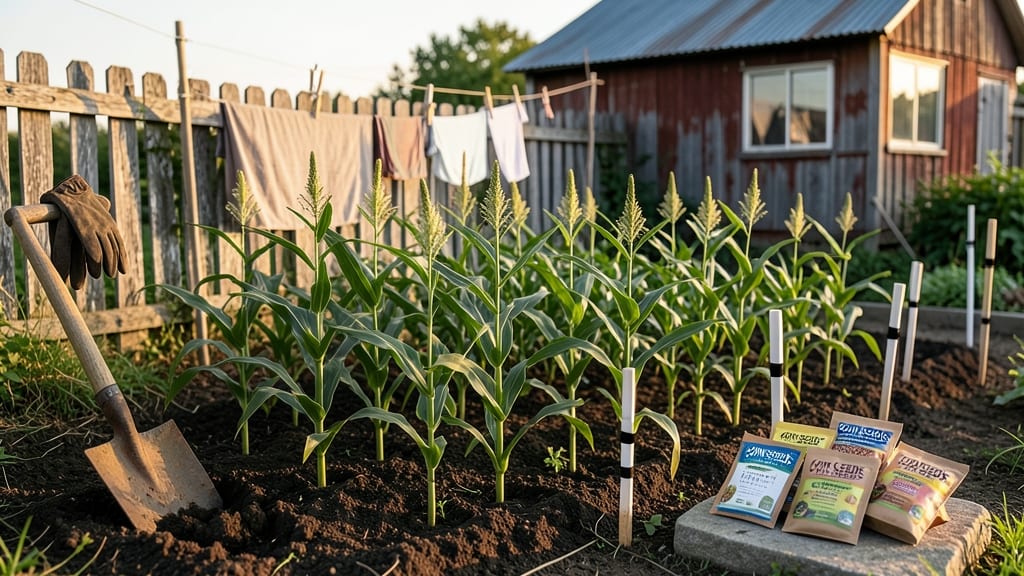
When to plant a garden in Iowa isn’t just about throwing seeds in the dirt—it’s about beating Mother Nature’s unpredictable twists with a precise schedule that matches your hardiness zone. Whether you’re dreaming of crisp corn or vibrant sunflowers, planting too early or late can mean the difference between a bountiful harvest and a sad, wilted disappointment.
I’ve spent years tracking frost dates and soil temperatures in USDA Zones 5a-6b, and what I’ve learned is that General Garden Plants (Iowa) 🌱 thrive when you follow a week-by-week roadmap.
Miss the window for warm-season crops like tomatoes, and you’ll be left with stunted plants. Plant cool-season veggies too late, and they’ll bolt before you even taste them.
a clear, zone-specific timeline that accounts for Iowa’s last frost (around April 15) and first frost (October 15), plus soil temp tricks to get your garden off to the right start. No more guesswork—just actionable steps to turn your plot into a productive powerhouse.Ready to stop second-guessing and start planting with confidence? Let’s dive into the exact weeks to sow, transplant, and nurture your garden—so you can enjoy fresh, homegrown goodness all season long.
Iowa planting schedule by hardiness Zone: week-by-week breakdown
Iowa’s USDA Hardiness Zones 5a, 5b, and 6a create a unique gardening challenge—cool springs, warm summers, and early frosts demand precise timing. My week-by-week schedule aligns with Iowa’s average last frost date (April 15) and first frost (October 15), but always verify local forecasts.
Northern Iowa (Zone 5a) has a shorter growing season than southern areas (Zone 6a), so adjust accordingly.
For cool-season crops like lettuce, spinach, and peas, I start seeds indoors 4-6 weeks before the last frost (early March) or sow directly in early April. These hardy plants tolerate light frosts and even thrive in 30°F temperatures.
Warm-season crops—tomatoes, peppers, and beans—need soil temperatures above 50°F, so I wait until mid-May for transplants or direct sow after Memorial Day.
🌱 Key Tip: Use a soil thermometer to confirm readiness—50°F for peas, 60°F for beans, 70°F for tomatoes. If your soil is cold, opt for cold frames or row covers to extend the season.
In Zone 6a,
How to adjust your planting timeline for Iowa’s unpredictable weather
Iowa’s spring frost dates can swing wildly from year to year, leaving even experienced gardeners second-guessing their planting schedule. In Zone 5a/5b, a late frost in May isn’t uncommon, while Zone 6a might see an early warm spell in April.
The key is flexibility—adjusting your timeline based on soil temperatures, local forecasts, and historical data.
Start by monitoring soil thermometers (not air temperature) to confirm when the ground reaches 50°F for cool-season crops or 60°F+ for warm-season plants.
In my garden, I’ve seen tomato seedlings fried by a 90°F heatwave in late May—so I always wait until mid-June for heat-loving crops like peppers and cucumbers.
🚨 (CALLOUT WARNING) 🚨
Never plant warm-season crops (tomatoes, peppers, beans) until after May 15—even in Zone 6a. Use frost cloth or a mini greenhouse for early starts. Check the National Weather Service for frost advisories in April/May.
To hedge your bets, I use succession planting for fast-growing crops like lettuce and radishes. If the first planting fails due to frost, the second batch (planted 2 weeks later) often succeeds. For warm-season crops, I opt for heat-tolerant varieties like ‘Heatmaster’ tomatoes or ‘Early Girl’ peppers, which handle Iowa’s summer heat better than standard types.
Another trick? Extend your season with row covers or cold frames. In my raised beds, I’ve kept spinach and kale growing well into October by adding a simple floating row cover when nights dip below 40°F.
For fall planting, I aim for mid-August to ensure crops mature before the first frost (usually mid-October).
Don’t forget to consult Iowa State University Extension for localized frost maps and planting guides. Their historical frost data shows that northern Iowa (Zone 5a) averages 2-3 more frost days than southern Iowa (Zone 6a)—so adjust your schedule accordingly.
For example, I plant onion sets in early April in Zone 6a but wait until mid-April in Zone 5a.
Finally, keep a gardening journal to track your successes and failures. Note which years had early frosts or late springs and adjust future planting dates. Over time, you’ll develop a customized schedule that beats Iowa’s weather—no guessing game required!