
Companion Plants
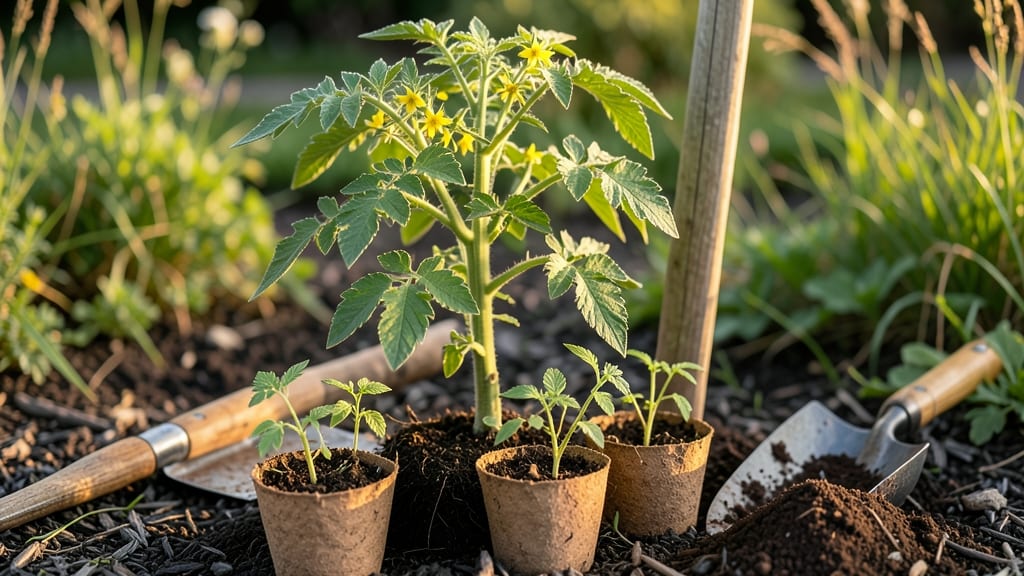
Knowing when to plant tomatoes in Florida is the difference between a thriving 🍅 harvest and wilted vines—because Florida’s heat doesn’t play by the rules. If you’ve ever watched seedlings bolt into flower overnight (thanks, 90°F soil!), you’ve felt the frustration firsthand.
Here’s the secret: Florida’s climate lets you grow tomatoes year-round, but timing is everything. North Florida’s cooler winters mean spring plantings start as early as mid-February, while South Florida’s frost-free zones allow fall plantings until early September.
Even the experts agree—get this wrong, and you’re fighting humidity, pests, and that dreaded "Florida bolt" from day one.
In this guide, I’ll break down the exact planting windows for your zone, whether you’re in Jacksonville or Miami. You’ll learn how to prep soil for sandy Florida earth, when to use shade cloth to trick plants into slowing down, and which tomato varieties actually thrive in our heat.
No more guesswork—just a schedule that works with Florida’s chaos, not against it.
Ready to turn your garden into a tomato powerhouse? Let’s dive into the step-by-step calendar that’s kept Florida gardeners harvesting for decades—without the stress.
Florida’s tomato planting zones: avoiding the summer bolt risk
Florida’s climate is a gardener’s double-edged sword—warm year-round but with intense summer heat that triggers premature bolting in tomatoes. The key to success? Understanding your specific heat zone and planting during the coolest months when soil temperatures stay below 85°F.
North Florida’s cooler winters mean earlier planting, while South Florida’s tropical heat allows year-round growth with careful timing.
Bolting occurs when tomatoes sense consistent heat stress and shift energy from fruit production to flowering. In Florida, this happens fastest in June-August, when daytime temps often exceed 90°F.
By planting in spring (Feb-Apr) or fall (Aug-Sep), you avoid this pitfall entirely. Let’s break down the three critical Florida zones and their ideal planting windows.
🌱 Visual Element: Comparison Table
North Florida’s cooler winters make it the easiest zone for beginners, with a clear 120-day growing window between frost risks. Central Florida’s longer heat waves require earlier spring starts, while South Florida gardeners can plant almost year-round—but only with shade cloth or afternoon shade during peak summer.
Urban vs. rural microclimates add another layer. Concrete jungles (like Miami’s downtown) can be 5°F hotter than nearby suburbs, while rural areas near water (e.g., Everglades) stay cooler. Always check your specific neighborhood’s heat history—local Cooperative Extension offices have free heat maps.
For heat-tolerant varieties, South Florida gardeners swear by ‘Solar Fire’ or ‘Heatmaster’, which handle 95°F+ temps without bolting. In North Florida, ‘Celebrity’ or ‘Better Boy’ thrive in cooler springs. Seed packets often list heat tolerance—look for “heat-set” varieties if you’re pushing the limits.
One non-negotiable rule: Never plant tomatoes when nighttime temps stay above 75°F. This triggers bolting faster than daytime heat. Use a soil thermometer ($10 at garden centers) to track temps—60°F is your minimum for planting.
Pro tip: Start seeds indoors 6-8 weeks before your zone’s planting window. Florida’s short daylight hours in winter (10 hours vs. summer’s 14) slow seedling growth, so give them a grow light for 12-14 hours/day to compensate. This head start means faster fruit set once outdoors.
🌱 Key Takeaway: Florida’s tomato success hinges on two windows—spring (cool soil) and fall (avoiding summer heat). South Florida has flexibility, but shade is
Step-by-step Florida tomato planting calendar: month-by-month guide
Florida’s two main tomato seasons—spring and fall—demand precise timing to avoid heat stress or early bolting. My month-by-month calendar breaks down the best weeks to plant, whether you’re starting from seeds or transplants, plus soil prep tricks to set your vines up for success.
For North Florida (Zones 8a-9a), where last frost lingers until mid-January, aim for transplants by late February to early March. In Central/South Florida (Zones 9b-11), you can plant year-round, but spring transplants thrive from February to April, while fall is ideal from July to September.
📅 Florida Tomato Planting Timeline
- February: Start indoor seeds (6-8 weeks before last frost) or buy transplants. Use black plastic mulch to warm soil.
- March: Transplant seedlings outdoors (after soil hits 60°F). Add compost for nutrients.
- April: Final transplant window for spring. Prune lower leaves to prevent disease.
- May-June: Harvest spring tomatoes (60-70 days post-planting). Remove spent plants to avoid pests.
- July: Start fall seeds indoors or buy transplants for late-season harvests.
- August-September: Transplant fall crops (soil temps below 85°F). Use shade cloth if needed.
- October-November: Harvest fall tomatoes before cool nights slow growth.
Pro tip: Companion plants like basil or marigolds deter pests and boost flavor. Plant them 2-3 weeks after tomatoes to sync growth cycles. In urban areas, containers work—just ensure drainage holes and deep pots (18"+) for root growth.
Watch for soil temperature—use a soil thermometer to confirm 60°F+ before planting. Cold soil delays germination, while overheated soil (above 90°F) causes root stress. My go-to fix? Straw mulch to regulate temps and retain moisture.
For container growers, stagger plantings every 2 weeks to extend harvests. Dwarf varieties like ‘Tiny Tim’ thrive in pots, while indeterminate types (e.g., ‘Sungold’) need cages or trellises to support 6-foot vines. Always water at the base to avoid fungal issues from wet foliage.
Track your progress with a gardening journal—note planting dates, harvest yields, and weather anomalies. Florida’s unpredictable rains or hurricane season (June-November) can disrupt schedules, so stay flexible. With this calendar, you’ll dodge the bolt and enjoy tomatoes until frost—or forever in the South!