
Plants
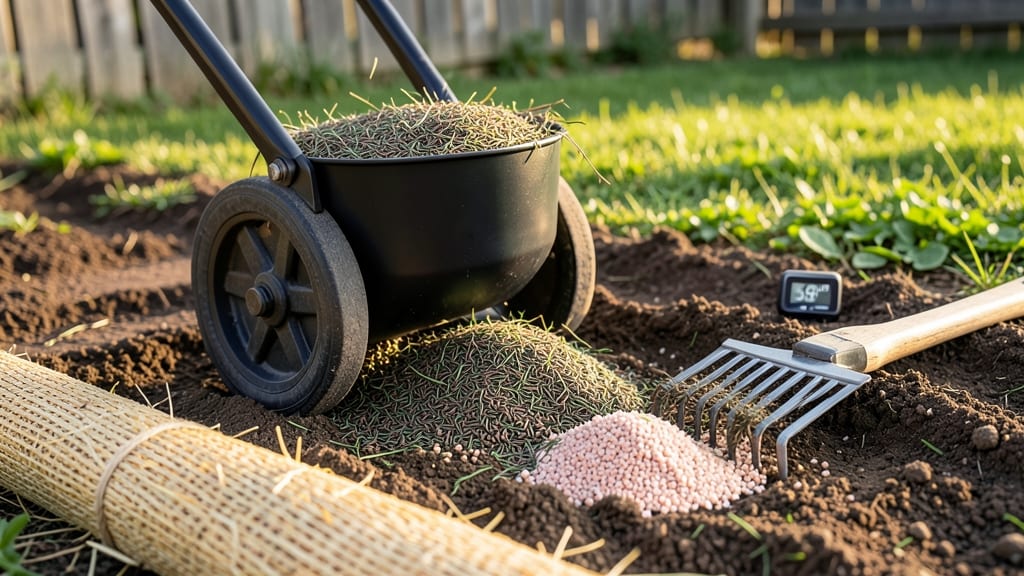
Planting grass seed in Colorado isn’t just about grabbing a bag and scattering—it’s about timing it right to beat the unpredictable mountain weather that can turn your hard work into a patchy disappointment.
With USDA zones 5-7 and elevation swings from 3,000 to 14,000 feet, knowing the exact windows for your specific zone is the key to a lawn that thrives, not just survives.
Most Colorado gardeners swear by early spring or late summer/early fall, but those dates shift dramatically depending on whether you’re in the Front Range or the Western Slope. Too early, and frost will kill your seedlings; too late, and summer heat will dry them out before they take root.
I’ll break down the precise months for your elevation zone so you can plant with confidence.
You’ll also discover how to prep your soil, choose the right grass type for your climate, and avoid the costly mistakes that derail even the best-laid plans. Whether you’re seeding a new lawn or repairing bare spots, these insights will help you skip the guesswork and get results that last.
Let’s dive into the exact planting calendar—and how to adjust for Colorado’s quirks—so your grass gets off to the strongest start possible.
Colorado grass seed planting calendar by elevation zone
Colorado’s dramatic elevation changes—from 3,000 ft plains to 14,000 ft peaks—create wildly different planting windows for grass seed. Lowland areas (3,000–5,000 ft) can plant as early as mid-March, while mountain regions (7,000+ ft) often wait until late May to avoid frost.
Understanding your zone’s last frost date and soil temperature is critical for germination success.
For most Colorado gardeners, the ideal planting windows are early spring (March–April) or late summer/early fall (August–September).
Spring planting gives seedlings time to establish before summer heat, while fall planting avoids drought stress. Soil temperature must stay above 50°F (10°C) for at least 2 weeks—a key factor in high-altitude areas where cold snaps linger.
Here’s how to match your elevation to the perfect planting timeline:
Colorado’s fall planting window (August–September) works well for cool-season grasses like Kentucky bluegrass and fescue.
Seedlings establish roots before winter, giving you a head start next spring. Warm-season grasses (e.g., Bermuda grass) should be planted in late spring after the last frost, but they’re less common in Colorado’s climate.
Pro tip: Use a soil thermometer to confirm temps before planting.
If your soil is below 50°F, wait—cold soil delays germination and invites disease. Mountain regions often need to wait until June for reliable warmth, while urban heat islands (like Denver) can plant grass seed as early as February in microclimates with south-facing exposure.
For overseeding (adding seed to an existing lawn), aim for late summer (August) when established grass is dormant. This minimizes competition for your new seedlings. Thatch layer should be ½ inch or less—dethatch if needed before planting.
Colorado’s variable weather patterns mean you’ll need to stay flexible. Check the National Weather Service for your local 10-day forecast before planting. If rainfall is unreliable, consider using a drip irrigation system to keep soil consistently moist during germination (1–1.5 inches per week).
Finally, choose grass seed varieties suited to your elevation. Tall fescue thrives in mountain regions, while Kentucky bluegrass performs better in lowland areas. Mixes like ryegrass + fescue offer faster germination and drought resistance.
With the right timing and prep, your Colorado lawn can go from bare soil to lush green in just 3–4 weeks—no matter your elevation. Start with your zone’s planting window, then adjust for local conditions like soil type or microclimates for best results. 🌱
How to adjust planting for Colorado’s microclimates and soil types
Colorado’s diverse geography means your grass seed planting success hinges on adjusting for microclimates and soil conditions. Urban heat islands in Denver can push soil temps up faster than mountain valleys, while clay-heavy soils in the Front Range drain poorly compared to sandy soils on the Western Slope.
Understanding these factors lets you extend planting windows and improve germination rates.
For high-altitude areas (7,000+ ft), like Estes Park or Aspen, aim to plant late May to early July when soil temps reach 50°F consistently. These regions experience cooler springs, so rushing seed too early risks frost damage.
Use cold-hardy varieties like Alpine bluegrass or fine fescue for better survival in thin mountain air.
🌱 Key Adjustments for Colorado Microclimates
- Urban Areas (Denver, Colorado Springs): Plant March 15–April 30; use drought-resistant tall fescue.
- Foothills (5,000–7,000 ft): Shift to April 15–May 15; amend soil with compost to improve drainage.
- Mountain Regions (7,000+ ft): Target May 15–July 1; mulch heavily to retain moisture.
- Western Slope (Grand Junction): Plant February 15–March 30; water deeply due to low humidity.
Clay soils, common in Boulder and Fort Collins, require pre-planting aeration to prevent waterlogging. Rent a core aerator to create 1/2-inch holes 3–4 inches deep, then top with 1–2 inches of compost.
This improves root penetration and reduces compaction. For sandy soils in areas like Pueblo, mix in peat moss to retain moisture without suffocating roots.
Mulching is your secret weapon for extending planting windows. Apply a 1/4-inch layer of straw after seeding to protect tender sprouts from temperature swings and evaporation. In dryland areas, like the San Luis Valley, use plastic mulch to trap heat and speed germination by 10–14 days. Just
Irrigation timing matters just as much as soil prep. In high-desert regions, like Montrose, water twice daily (morning and evening) for the first 2 weeks to keep soil moist but not soggy. Use a rain gauge to track 1–1.5 inches of water per week—overwatering in clay soils can drown seeds, while underwatering in sand leads to crusting that blocks germination.
Finally, choose seed blends tailored to your microclimate. Kentucky bluegrass thrives in lowland areas with 6+ hours of sun, while creeping red fescue handles partial shade in mountain forests. For high-traffic lawns, mix tall fescue (durable) with fine fescue (shade-tolerant) for year-round resilience.
By customizing your approach to soil type, elevation, and local climate, you’ll turn Colorado’s challenges into opportunities for a thick, healthy lawn—no matter where you live. 🌿