
Plants
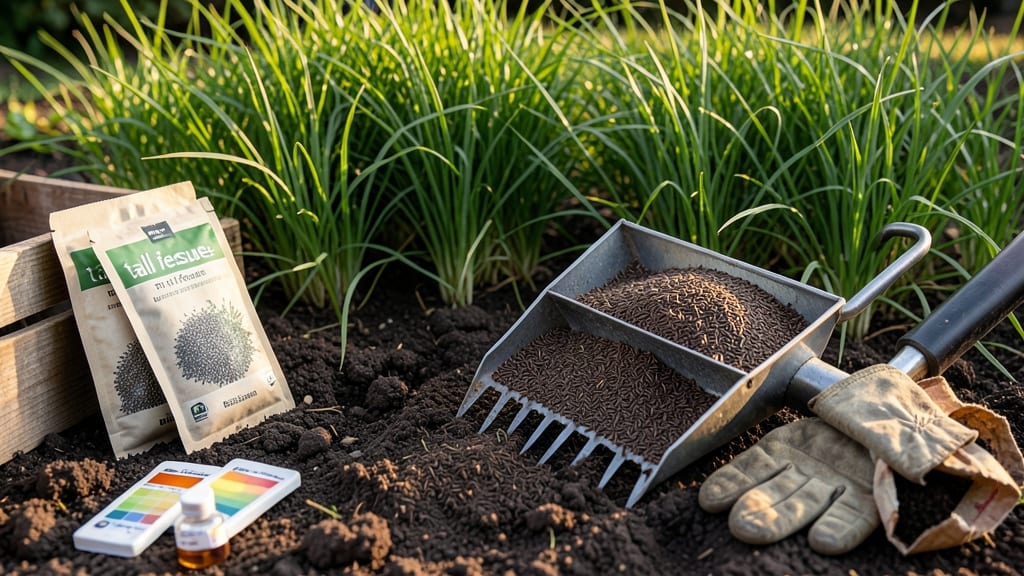
Planting grass seed in Connecticut's fall season can transform your lawn from patchy to picture-perfect—but timing is everything. With Connecticut's 5b-6b climate, those crisp autumn days offer the ideal window to get your 🌱 established before winter sets in.
Most gardeners in CT know the struggle: rush planting too late, and frost zaps your progress. But get it right, and you'll enjoy a thicker, greener lawn next spring with minimal effort. The secret lies in understanding soil temperatures and frost timelines—something I've mastered after years of testing different approaches.
I'll walk you through the exact 4-6 week window before Connecticut's first frost (typically mid-October), plus soil prep tips that actually work. Whether you're seeding a new yard or repairing bare spots, these strategies will give you the competitive edge Connecticut gardeners need.
Ready to stop guessing and start growing? Let's dive into the precise steps that'll have your grass thriving when spring rolls around—no more wasted seed or last-minute regrets.
Optimal fall planting windows in Connecticut based on soil temperature and frost dates
Connecticut’s cool-season climate makes fall planting the perfect time to establish a new lawn. The key is planting 4-6 weeks before the first frost, which typically falls between mid-October and early November across most of the state.
This window ensures your grass seeds germinate, develop roots, and harden off before winter dormancy. Missing this timing risks seeds sprouting too late, leaving them vulnerable to frost damage.
In USDA Zones 5b-6b, Connecticut’s average last frost date is around mid-May, but the first frost arrives much earlier—usually by mid-October. To maximize success, aim for a planting window between mid-September and mid-October.
This aligns with soil temperatures dropping to the ideal 50-65°F range for germination, while still allowing enough warm days for seedling growth.
Here’s why this timing works so well: Cool fall temperatures reduce weed competition, and consistent rainfall (especially in September and October) keeps seeds moist without overwatering risks. Plus, newly established grass roots have a head start on spring growth, giving you a thicker, greener lawn by summer.
To check if your soil is ready, use a soil thermometer—insert it 2 inches deep in the ground. If temperatures are between 50-65°F, it’s time to plant.
If it’s cooler, wait a few days or weeks. Soil temperature is more critical than air temperature, as seeds need warmth to sprout but not too much heat, which can dry them out.
| Planting Window | Soil Temp Range | Frost Risk | Best Grass Types |
|---|---|---|---|
| Mid-September | 60-65°F | Low (6+ weeks until frost) | Kentucky bluegrass, tall fescue |
| Late September | 55-60°F | Moderate (4-5 weeks until frost) | Perennial ryegrass, fine fescue |
| Early October | 50-55°F | High (2-3 weeks until frost) | All cool-season grasses |
| Late October | Below 50°F | Very High (frost likely) | Avoid planting (risk of frost kill) |
🌱 Best Window: Mid-September to early October
If you’re unsure about your local frost dates, check the National Weather Service or your county extension office for updates. For example, Hartford tends to have earlier frosts than New Haven, so adjust your timing accordingly.
Pro tip: Plant perennial ryegrass if you’re pushing the late-October window—it germinates faster and tolerates cooler soils better than other varieties.
Once you’ve locked in your planting date, focus on soil preparation. Loosen the top 2-3 inches of soil with a rake or aerator to improve seed-to-soil contact. Remove debris and level the area to avoid low spots where water pools.
A light layer of compost (¼ inch) adds nutrients without smothering seeds. This prep work is just as critical as timing—skipping it can lead to poor germination even with perfect fall weather.
After planting, consistent moisture is key. Water lightly but frequently (twice daily for the first week) to keep the soil surface moist. Avoid heavy watering, which can wash seeds away.
Once seedlings reach 2-3 inches tall, reduce watering to 1-1.5 inches per week. This encourages deep root growth, preparing your lawn for winter dormancy and spring rebound.
Remember, fall planting in Connecticut isn’t just about timing—it’s about giving your grass a fighting chance. By aligning your efforts with soil temperatures, frost dates, and proper prep, you’ll set the stage for a thicker, greener lawn that outshines spring-planted grass.
The effort pays off in fewer weeds, stronger roots, and less maintenance next summer.
Optimal fall planting windows in Connecticut based on soil temperature and frost dates
Connecticut’s fall planting window for grass seed is mid-September to mid-October, a 4-6 week window before the first frost. This timing lets seeds germinate in 60-70°F soil temps while avoiding winter dormancy too soon.
In CT’s USDA Zones 5b-6b, the first frost typically hits mid-October, so aim to plant by October 15th at the latest.
Early fall (September) offers warmer soil and consistent rain, ideal for seedling growth. Late fall (November) risks colder nights and dormant seeds, but you can still plant if soil temps stay above 50°F. Check your local Connecticut Agricultural Experiment Station for precise frost dates each year.
Soil temperature is critical—use a soil thermometer to confirm 55-65°F at 2-4 inches deep. If temps drop below 50°F, germination slows dramatically. Morning soil temps are more reliable than afternoon spikes for accurate readings.
Here’s how CT’s fall frost timeline breaks down for grass seed success:
| Timeframe | Soil Temp Range | Germination Risk | Action |
|---|---|---|---|
| Mid-September | 60-70°F | Low (ideal) | Plant ASAP for best results |
| Late September | 55-65°F | Moderate | Still safe; monitor soil temps |
| Early October | 50-60°F | High (edge of risk) | Plant only if temps stay above 50°F |
| Mid-October | Below 50°F | Very High | Avoid planting; seeds won’t germinate |
For maximum success, align your planting with Connecticut’s average first frost date—typically October 15th in most regions. If you miss this window, wait until spring (April-May), but fall planting gives grass a head start for next summer’s growth.
Pro tip: Use a lightweight row cover if planting late fall to protect seedlings from unexpected cold snaps. Just remove it during the day to avoid overheating. This extends your planting window by 2-3 weeks if needed.
Remember, soil prep matters more than exact dates. Even if you plant slightly late, healthy soil and consistent moisture can compensate. Test your soil’s pH (6.0-7.0 ideal) and nutrient levels before seeding—this step is just as critical as timing.