
Plants
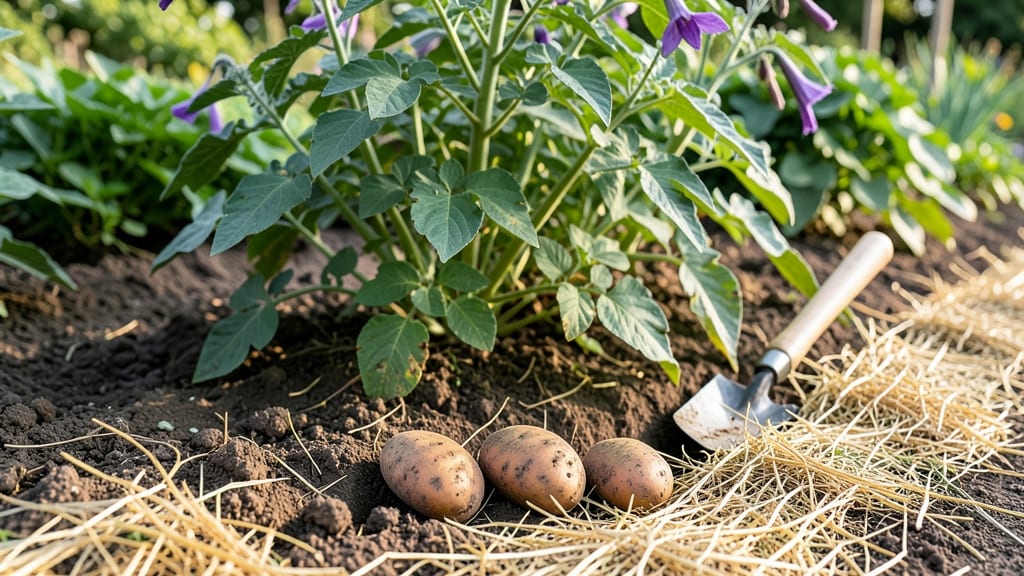
Zone 5 potato planting timeline: exact weeks before last frost for maximum yield
In Zone 5, the last frost date typically falls between mid-April and early May, but your exact planting window depends on soil temperature—not just the calendar. For most potato varieties, aim to plant 4–6 weeks before your last frost when soil reaches 40–50°F.
This gives tubers time to establish before summer heat sets in.
Cold soil slows germination, so don’t rush—wait until you can work the soil without compacting it. If your spring is unpredictable, like in Chicago or Pittsburgh, consider using frost cloth or planting early-maturing varieties (60–90 days to harvest) for extra flexibility.
Here’s the golden rule: Plant early potatoes (like Yukon Gold) 4–5 weeks before last frost, and late varieties (like Russet) 3–4 weeks before. This ensures all types finish maturing before first frost in October.
| Stage | Action | Zone 5 Timeline |
|---|---|---|
| Soil Prep | Add compost, loosen soil | Late February–March |
| Chit Seed Potatoes | Expose to light for sprouts | 4–6 weeks before planting |
| Plant Early Varieties | 4–5 weeks before last frost | Early April (soil 40°F+) |
| Plant Late Varieties | 3–4 weeks before last frost | Late April (soil 50°F+) |
| Harvest Early Potatoes | When foliage yellows | Late June–July |
| Harvest Late Potatoes | After first frost | Mid-October |
If you’re in northern Zone 5 (e.g., Duluth, MN), wait until late April—soil warms slower. In southern Zone 5 (e.g., Nashville, TN), you can plant as early as mid-March if using black plastic mulch to warm the soil faster.
Pro tip: Use a soil thermometer to confirm readiness. Potatoes won’t sprout until soil hits 45°F, and cooler temps can lead to rot or stunted growth. If your area has late frosts, opt for cold-hardy varieties like Kennebec or Red LaSoda.
For a second harvest, try fall planting in late summer (August) using early-maturing varieties. Plant in warm soil (60°F+) and harvest before winter sets in. This works best in warmer microclimates like urban gardens with heat-retaining surfaces.
Remember: Spacing matters. Plant seed potatoes 12 inches apart in rows 30 inches apart to allow for hill-building (adding soil around stems as plants grow). This prevents blight and improves tuber formation.
🌱
How to adjust your planting schedule for Zone 5’s unpredictable spring weather
Zone 5’s spring weather can be a real potato planter’s nightmare—one day it’s 40°F, the next it’s 70°F. If you plant too early, a late frost will kill your sprouts.
Too late, and your harvest might suffer. The key is flexibility and knowing how to read your soil and climate.
Start by checking your local frost dates. Most Zone 5 regions (like Chicago or Pittsburgh) average their last frost between mid-April and early May. But don’t rely solely on averages—use a frost calendar or set up a frost monitor in your garden for real-time alerts.
⚠️ Warning: Late Frost Risks
Cold snaps after planting can stunt growth or kill young plants. If nighttime temps drop below 45°F, cover seedlings with frost cloth or a lightweight row cover. Remove it when temps rise above 50°F to avoid overheating.
Signs your potatoes are ready despite cold weather: sprouts 2–3 inches tall and soil at least 45°F. If sprouts emerge but soil is cold, plant deeper (6 inches) to protect them.
If spring arrives early, you can plant as soon as soil is workable (around 45°F). Use a soil thermometer to check—potatoes need 50°F+ soil to thrive. For late springs, opt for early-maturing varieties (like Yukon Gold) that can tolerate cooler soils.
Another trick? Warm your soil faster. Spread black plastic mulch over garden beds 1–2 weeks before planting. This raises soil temps by 5–10°F, giving you a 2–3 week head start. Just remove it once potatoes sprout to avoid overheating.
For extended cold snaps, consider container growing. Fill pots with well-draining soil, plant seed potatoes, and move them to a sunny porch or greenhouse during cold nights. Bring them outside during the day once temps stabilize.
Finally, keep an eye on your potato foliage. If leaves yellow or wilt from sudden cold, it’s a sign to cover them immediately. With these adjustments, you’ll beat Zone 5’s unpredictable spring and still get a bountiful harvest.