
Plants
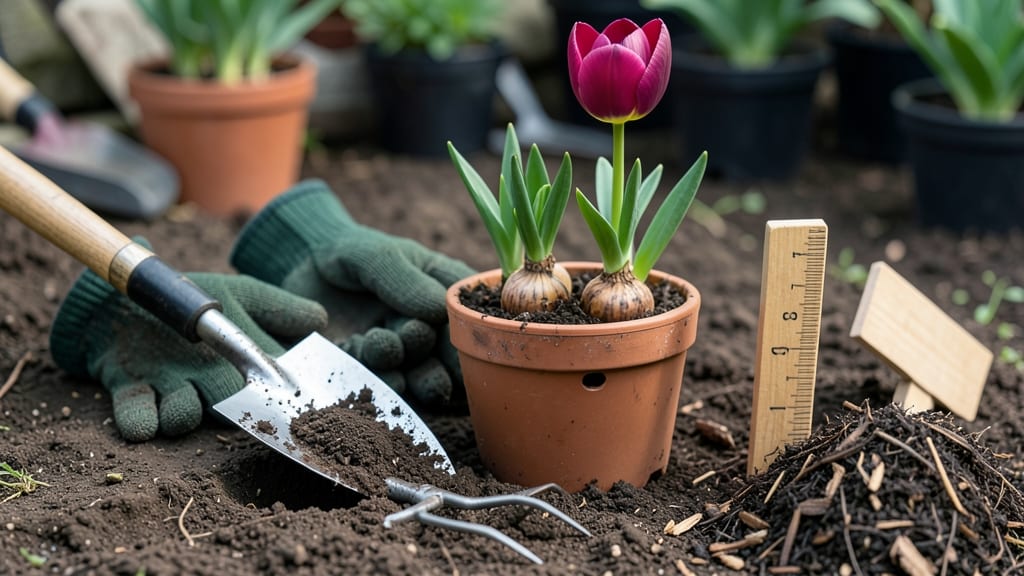
Planting your potted 🌷 tulips in the ground at the wrong time can mean the difference between showstopping spring blooms and wasted effort.
The key isn't just waiting until spring—it's understanding the soil temperature and frost risks in your zone, especially since potted bulbs need 4-6 weeks to establish roots before winter arrives.
If you're in USDA Zone 6a, like many gardeners, timing matters even more. Planting too early risks frost damage, while waiting too long may leave your tulips struggling to adapt before the ground freezes. The solution? A simple soil temperature checklist that aligns with your local frost dates.
I’ll walk you through the exact conditions your soil needs—40°F to 50°F—and how to prepare your potted tulips for transplanting, so they’re ready to thrive when you move them from containers to the garden bed. Let’s make sure your fall-planted tulips bloom on schedule next spring.
Whether you’re a first-time gardener or a seasoned pro, this guide cuts through the guesswork. You’ll learn how to test your soil, adjust for late frosts, and even troubleshoot common mistakes that derail tulip success. Ready to plant with confidence?
Optimal soil temperature for planting potted tulips (with exact degrees)
Planting potted tulips at the right soil temperature is non-negotiable for survival. Tulips thrive when soil hovers between 40°F and 50°F—any colder, and frost will damage delicate roots; warmer, and they’ll bolt or fail to establish.
This 40°F–50°F window aligns with late fall or early spring, depending on your USDA hardiness zone.
Most gardeners mistakenly wait until spring, but fall planting gives tulips 6–8 weeks to root before winter dormancy. If you’re in USDA Zones 3–5, aim for September–October; zones 6–8 can plant until November. For spring planting, wait until soil warms to 50°F+ after the last frost.
🌱
| USDA Zone | Ideal Planting Window | Soil Temperature (°F) | Key Considerations | Frost Risk Level |
|---|---|---|---|---|
| 3–4 (Coldest) | September 15–October 15 | 40°F–45°F | Use mulch (4–6\" thick) to insulate roots. | High (plant early!) |
| 5–6 (Cool) | September 1–November 1 | 45°F–50°F | Avoid planting after first frost; roots need time to harden. | Moderate |
| 7–8 (Mild) | October 15–December 1 | 50°F–55°F | Spring planting possible if soil stays above 50°F for 2+ weeks. | Low |
| 9–10 (Warm) | November 1–January 15 | 55°F–60°F | Plant in late fall to avoid summer heat stress. | Minimal |
To test your soil temperature, use a soil thermometer (insert 6\" deep) or the back-of-hand test: if soil feels cool but not freezing, it’s likely in the ideal range. For potted tulips, acclimate them gradually by moving containers outdoors during the day for 1–2 weeks before planting.
If your area experiences unpredictable frost, plant deeper (8–10 inches) for extra insulation. In USDA Zone 10, tulips can even be planted in winter (December–January) when soil cools naturally.
🌡️
Pro tip: Mulch heavily (4–6 inches of straw or leaves) after planting to maintain soil temperature and retain moisture. This buffer zone is critical in Zone 5–6, where temperatures can swing 20°F+ overnight.
Remember, potted tulips are more vulnerable than bare bulbs because their roots are confined. Give them the cool, stable soil they crave to bloom like champs next spring.
How to tell if your potted tulips are ready for ground planting (before you dig)
Before you dig that hole, check your potted tulips for these three key readiness signs—skipping this step risks stunted growth or frost damage. I’ve planted hundreds of potted tulips, and these checks save me from wasted effort every year.
Start with a leaf condition check: Healthy green leaves with no yellowing or browning mean your tulips are ready. Wilted or crispy leaves signal they need more time in pots to recover from transplant shock.
Next, perform a root growth test—gently remove 1–2 bulbs from their pots. If you see roots 2–3 inches long, it’s time to plant. Shorter roots mean wait 1–2 weeks longer, as the bulb hasn’t built enough strength for outdoor conditions.
Finally, assess bulb firmness by pressing gently. Firm bulbs are primed for planting, while soft or shriveled ones need more time in pots to rehydrate and harden off.