
Plants
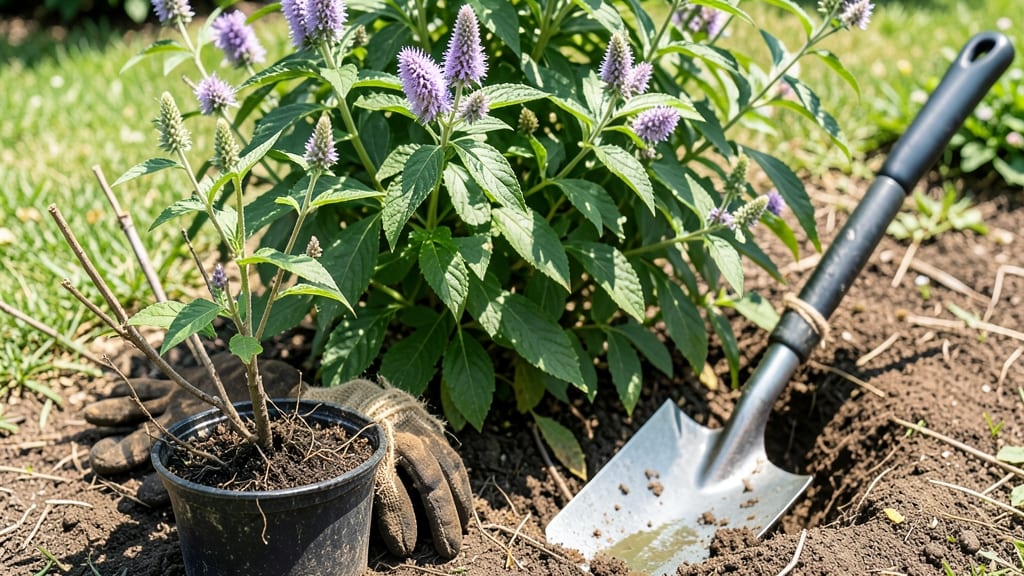
Timing your butterfly bush planting in Zone 7 could make all the difference between a vibrant, pollinator-magnet garden and a shrub struggling to take root.
Unlike many plants, the 🦋 butterfly bush thrives when planted during two key windows—early spring or early fall—where soil temperatures and frost risks align perfectly for strong growth.
Why does timing matter so much? Because Zone 7’s shifting weather patterns—think last-minute frost in April or early heatwaves—can turn a well-intentioned planting into a gamble.
The secret lies in waiting until after your last frost date (around April 15 for most of the region) when the soil has warmed to at least 60°F. This ensures your butterfly bush’s roots establish quickly before summer’s intensity.
But here’s the thing: planting in early fall (September or October) can also work—if you act before the first frost (November 15) and give the plant enough time to settle in. The key is avoiding those 3-4 week windows where temperatures swing unpredictably, leaving your new shrub vulnerable.
In this guide, I’ll walk you through exactly how to time your planting, from checking soil readiness to adjusting for your local microclimate. Whether you’re a first-time gardener or a seasoned pro, these steps will help your butterfly bush bloom like never before.

Optimal planting windows for butterfly bush in Zone 7: soil temperature & frost-free timeline
In Zone 7, timing your butterfly bush planting is critical to avoid frost damage while maximizing growth. The best windows are early spring (after last frost) or early fall (before first frost). For Zone 7, this typically means April 15–May 15 for spring or September 15–October 15 for fall.
Soil temperatures should reach at least 60°F for optimal root establishment. Use a soil thermometer to check—cold soil slows growth and increases disease risk. In Zone 7a (colder microclimates), aim for late April planting, while Zone 7b (warmer areas) can start as early as mid-April.
Spring planting gives your butterfly bush a full growing season to establish roots before winter. Fall planting, however, allows roots to develop in cool soil while avoiding summer heat stress.
For Zone 7's 180 frost-free days, fall planting must occur 6–8 weeks before first frost (typically by October 15).
Local microclimates matter—coastal areas like North Carolina's Outer Banks may have earlier last frosts (March 15), while inland Piedmont regions often see frost until April 15. Check NOAA's Frost/Freeze Forecast for your exact location to refine timing.
Heatwaves in late spring can stress newly planted butterfly bushes. If temperatures exceed 90°F before roots establish, provide afternoon shade with frost cloth until roots are 6 inches deep. Mulch with 2–3 inches of shredded bark to retain moisture and regulate soil temperature.
For container-grown butterfly bushes, extend your planting window by 2–3 weeks earlier or later. Containers warm up faster in spring and cool down quicker in fall, giving you more flexibility. Just ensure pots have drainage holes to prevent root rot from waterlogged soil.
If you miss the ideal windows, don't panic—butterfly bushes are resilient. Planting in late spring (June) still allows for summer blooms, though growth may be slower. Avoid planting after July 15, as new roots won’t have time to harden off before winter.
Pro tip: Hardening off container-grown butterfly bushes for 7–10 days before planting improves survival rates. Gradually expose them to outdoor conditions (sun, wind, temperature swings) to reduce transplant shock.
Remember, Zone 7's humidity levels also play a role. High humidity can increase fungal diseases like powdery mildew if planting occurs during wet springs. Choose well-draining soil and space plants 3–5 feet apart for airflow.
🦋
Optimal planting windows for butterfly bush in Zone 7: soil temperature & frost-free timeline
In Zone 7, your butterfly bush thrives when planted during two key windows: early to mid-spring (after last frost) or early fall (before first frost). These timelines align with soil temperatures above 60°F, which encourages strong root establishment.
The average last frost date in Zone 7 is around April 15, but local microclimates can shift this by 2-3 weeks.
Spring planting gives your butterfly bush a full growing season to establish before winter, while fall planting (by October) allows roots to settle before dormancy. Coastal areas may have later frost dates than inland regions, so always check your local NOAA frost maps before planting.
For example, Raleigh, NC typically has a 180-day frost-free season, while Charleston, SC extends to 210 days.
🌱 Butterfly Bush Planting Timeline for Zone 7
| Season | Ideal Planting Window | Soil Temp Requirement | Frost Risk |
|---|---|---|---|
| Spring | April 15 - May 15 | 60°F+ (15°C+) | Low (post-last frost) |
| Fall | September 1 - October 15 | 55°F+ (13°C+) | Moderate (early Oct) |
💡 Pro Tip: Use a soil thermometer to confirm warmth before planting. Aim for 60°F at 4" depth for spring or 55°F for fall.
For spring planting, focus on early April to mid-May when soil temperatures consistently stay above 60°F. This timing ensures your butterfly bush avoids late frost damage while giving it time to establish roots before summer heat.
If you're in a cooler microclimate (like the Piedmont region), wait until mid-May to be safe.
Fall planting in Zone 7 should occur between September 1 and October 15, prioritizing early September for varieties like 'Mystic Spires' that need time to root before winter.
Avoid planting after October 15, as new roots may not harden off before the first frost. Mulch heavily after planting to insulate roots during winter.
Heatwaves in Zone 7 can delay planting if soil stays too dry. Always water deeply 2-3 days before planting to improve soil conditions. If your area experiences unusually hot springs (like 2023's record heat), consider late May planting to avoid transplant shock during peak temperatures.
Monitor local weather forecasts for heat advisories or frost warnings during your planting window. Tools like the NOAA Climate Data Portal provide historical frost dates tailored to your ZIP code. For example, Atlanta, GA averages 30 frost-free days earlier than Asheville, NC, so adjust your timeline accordingly.