
Companion Plants
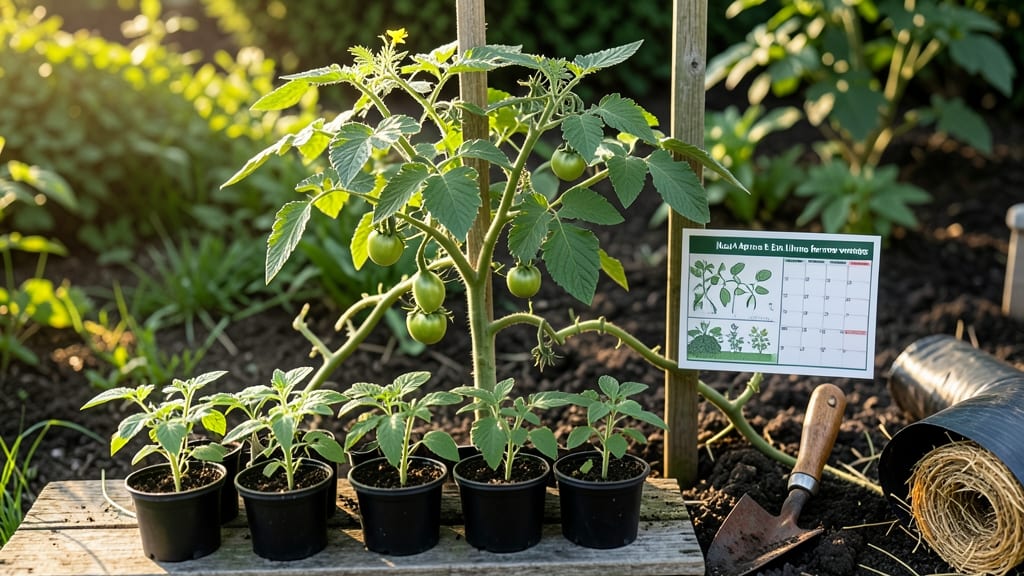
Timing when do I plant tomatoes in North Carolina can make or break your harvest—get it wrong, and you might end up with wilted seedlings or stunted plants.
The key isn’t just waiting for spring; it’s understanding your specific zone’s last frost dates and soil temperatures, which can vary dramatically from the mountains to the coast.
If you’ve ever wondered why some gardeners in 7a-8b zones swear by early April starts while others wait until June, the answer lies in balancing risk and reward. Planting too soon exposes young 🍅 tomatoes to chilly nights, while waiting too late cuts your harvest window short.
I’ll break down the exact windows—whether you’re direct-sowing seeds or transplanting seedlings—and how to adjust for NC’s unpredictable weather.
What you’ll discover here isn’t just theory; it’s actionable advice tailored to your region. We’ll cover everything from soil prep tricks to succession planting hacks that let you enjoy 🍅 tomatoes from June through October.
Ready to turn your garden into a productive powerhouse? Let’s get those seeds in the ground at the perfect moment.
Whether you’re a first-time gardener or a seasoned pro, these zone-specific deadlines will help you avoid common pitfalls—like planting when the soil’s still too cold—and maximize your yield.
The difference between a few sad tomatoes and a bushel of ripe fruit often comes down to timing. Let’s make sure you’re on the right schedule.
North Carolina planting zones: exact dates for transplanting vs. direct sowing tomatoes
North Carolina spans USDA Zones 5a through 8b, meaning your tomato planting window varies dramatically from the mountains to the coast. In Zone 5a (western NC), you’ll plant later than in Zone 8b (coastal areas), where the growing season stretches nearly year-round.
The key is aligning your planting with soil temperatures (minimum 60°F) and last frost dates, which can differ by weeks across the state.
For transplanting seedlings (the most common method), wait until 2-3 weeks after your average last frost date. This ensures your plants aren’t shocked by late cold snaps.
In Zone 7a (central NC), that’s typically mid-April to early May, while Zone 8b (coastal) gardeners can start as early as late March. Direct sowing seeds outdoors is riskier and should only happen after soil reaches 70°F, usually late May to June in most regions.
Here’s the critical rule: Never plant tomatoes before the soil warms to 60°F. Cold soil stunts root growth, making plants vulnerable to damping-off disease and blossom-end rot. Use a soil thermometer to confirm—if it’s below 60°F, wait.
In Zone 5a, this might mean delaying until late May, while Zone 8a gardeners can start as early as mid-April.
Heirloom vs. hybrid varieties also play a role in timing. Heirlooms like ‘Brandywine’ need 85-90 days to mature, so plant them earlier in Zone 8b (by March 15) to avoid first frost in November. Hybrids like ‘Celebrity’ mature in 70 days, giving you flexibility to plant later in Zone 7a (up to May 15) and still harvest before frost.
🔍 Pro Tip: Check your local Cooperative Extension Service for hyper-local frost data. For example, Asheville (Zone 7a) averages its last frost on April 15, while Raleigh (Zone 7b) sees it 2 weeks earlier.
A few weeks can mean the difference between a full harvest and a failed crop.
🌱 NC Tomato Planting Guide by Zone
| Zone | Last Frost | Transplant Window | Direct Sow Window | Soil Temp Threshold | Notes |
|---|---|---|---|---|---|
| 5a (Mountains) | May 15 | Late May | June 15 | 60°F+ | Short season; choose fast-maturing hybrids. |
| 6a (Piedmont) | April 15 | Early April | Late May | 60°F+ | Ideal for heirlooms with 75+ days to maturity. |
| 7a (Central) | April 1 | Mid-March | Late April | 60°F+ | Long season; can plant succession crops. |
| 7b (Coastal) | March 15 | Late February | Early April | 60°F+ | Humidity increases disease risk; use row covers. |
| 8a/8b (Outer Banks) | February 15 | January 15 | March 1 |
How to extend your tomato growing season in NC: cold frames, row covers, and succession plantingNorth Carolina’s short growing season and unpredictable spring weather can limit your tomato harvest—but don’t let that stop you! With the right strategies, you can extend your season by weeks or even months. Whether you’re aiming for an earlier start or a later finish, these techniques help beat frost and heat stress. Cold frames and row covers act like mini-greenhouses, trapping heat while allowing sunlight through. They’re perfect for early spring or fall planting, letting you plant 4-6 weeks before the traditional last frost date. For example, in Zone 7a, you might start tomatoes in mid-March under protection, while Zone 8b gardeners could extend harvests into late October. 🌱 5 Ways to Extend Your Tomato Season
Succession planting is another game-changer. Instead of planting all your tomatoes at once, stagger them every 2-3 weeks after your first planting. This ensures a continuous harvest from June through October. For instance, if you plant your first batch on April 15, follow up with May 1 and May 15 for three distinct harvest waves. For late-season protection, use floating row covers or low tunnels to shield plants from early frosts. Remove covers during the day to allow pollination, then replace them at night. In Zone 7a, this can push your last harvest into mid-November, while Zone 8b gardeners might enjoy tomatoes until December. Don’t overlook soil preparation—amend beds with compost and aged manure before planting to boost fertility. Add a 3-inch mulch layer of straw or leaves to retain moisture and regulate soil temperature. These steps create the ideal environment for longer, healthier growth. With these techniques, you’ll turn NC’s challenging climate into an advantage. Whether you’re a beginner or veteran gardener, extending your tomato season means more homegrown fruit and fewer trips to the store. Happy growing! 🌱 |