
Plants
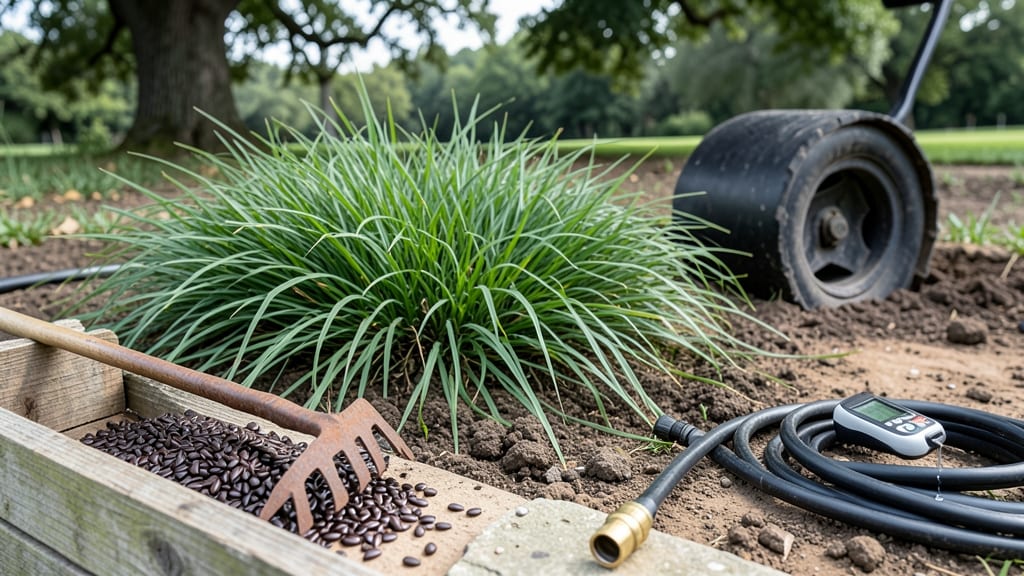
Planting Bermuda grass seed in North Carolina at the wrong time can turn your dream of a lush, drought-resistant lawn into a frustrating patchwork of slow growth. Unlike cool-season grasses, Bermuda thrives in heat, but it needs the right conditions to take off—warm soil, consistent moisture, and just enough time before summer’s intensity kicks in.
If you’ve ever watched your seedlings struggle or wither under North Carolina’s unpredictable spring showers, you know timing is everything. The key window—late spring to early summer—gives your grass the best shot at fast germination and heat tolerance before the dog days hit.
But getting it wrong? You might end up with sparse coverage or weeds stealing the show.
I’ll break down exactly when to plant based on your specific NC zone, how to prep your soil for success, and what to watch for to avoid common mistakes.
Whether you’re in the coastal plains or the mountains, these steps will help you skip the guesswork and get that green carpet established right.
Ready to transform your lawn from patchy to picture-perfect? Let’s dive into the exact months and prep work that’ll make all the difference.
Best months to plant Bermuda grass seed in NC: soil temperature and climate zones
North Carolina’s diverse climate means the best time to plant Bermuda grass seed varies by region. Coastal areas like Wilmington thrive with April-May planting, while the Piedmont (Raleigh, Charlotte) should aim for May-June. Mountain regions like Asheville can wait until late June when soil warms consistently.
Bermuda grass needs soil temperatures above 75°F (24°C) to germinate properly. Planting too early—when nighttime temps dip below 60°F (15°C)—risks seed rot or slow growth. Use a soil thermometer to confirm readiness before sowing.
The USDA hardiness zones 7-8 in NC create microclimates. Coastal NC (Zone 8b) has earlier last frost dates (March 15), while the Mountains (Zone 6a) see frost until April 15. Adjust your schedule to avoid frost damage to tender seedlings.
Rainfall patterns matter too. May-June offers consistent moisture without the late-summer droughts that stress new grass. If planting in August-September, prioritize irrigation to compensate for drier conditions.
| Region | Best Planting Month | Soil Temp Requirement | USDA Zone |
|---|---|---|---|
| Coastal NC (Wilmington, Outer Banks) | April-May | 75°F+ (24°C+) | 8a-8b |
| Piedmont (Raleigh, Charlotte) | May-June | 75°F+ (24°C+) | 7a-7b |
| Mountains (Asheville, Boone) | Late June | 75°F+ (24°C+) | 6a-6b |
For fastest germination, plant when daytime highs are 80°F+ (27°C+). This ensures seeds sprout within 7-14 days instead of weeks. Avoid planting after July 15—late summer heat can stress seedlings before they establish roots.
If you’re in Zone 7b or cooler, consider using warm-season Bermuda varieties like ‘Tifway’ or ‘Celebration,’ which tolerate cooler soils better than standard types. These varieties also handle NC’s summer heat with minimal stress.
Pro tip: Mulch lightly after planting with straw (not wood chips) to retain moisture and regulate soil temps. Remove mulch once grass reaches 2 inches tall to prevent thatch buildup.
Timing isn’t just about months—it’s about weather forecasts. Check the 7-day high/low predictions before planting. If nights dip below 65°F (18°C), delay until temps stabilize.
Remember, Bermuda grass is dormant in winter. Planting in fall (September-October) risks weak growth before frost. Save overseeding for late spring to give grass time to thicken before summer heat arrives.
For heat tolerance, Bermuda grass thrives in NC’s summers once established. But young seedlings need consistent moisture—water deeply 2-3 times weekly until grass reaches 3 inches tall.
Best months to plant Bermuda grass seed in NC: soil temperature and climate zones
North Carolina’s diverse climate means Bermuda grass planting windows vary dramatically by region. Coastal areas like Wilmington thrive with April-May planting, while the Piedmont (Raleigh/Durham) should aim for May-June.
Mountain regions like Asheville wait until late June to avoid early frosts. These differences stem from USDA zones 7-8 and soil warmth requirements of 75°F+ for germination.
Soil temperature is your #1 indicator. Use a soil thermometer—plant only when readings hit 65°F+ at 4-inch depth. In Coastal NC, this typically occurs by mid-April, while Piedmont areas may wait until early May. Mountain zones often need to push planting to June due to cooler springs.
🌱 NC Bermuda Grass Planting Timeline
| Region | Best Planting Window | Soil Temp Requirement | Rainfall Needs |
|---|---|---|---|
| Coastal NC | April–May | 65°F+ (4" depth) | 1.5"+ weekly |
| Piedmont | May–June | 70°F+ (4" depth) | 1"+ weekly |
| Mountains | Late June | 75°F+ (4" depth) | 1.25"+ weekly |
Rainfall patterns also dictate success. Bermuda grass needs consistent moisture during germination but hates waterlogged soil. Coastal NC’s humid summers provide natural rainfall, while Piedmont areas may need supplemental irrigation. Always water early morning to prevent fungal risks from evening dampness.
June is the absolute ideal for most of NC. By this month, soil is fully warmed, and daytime highs exceed 80°F, creating perfect conditions for fast germination (7-14 days). Planting in July still works but risks heat stress on seedlings—opt for late afternoon planting to reduce evaporation.
Missed the spring window? Don’t panic. August overseeding is possible in Coastal NC, but Piedmont/Mountain regions should wait until early September when nighttime temps drop below 85°F. This late planting extends your growing season but may result in slower establishment before winter dormancy.
Pro tip: Check your local Cooperative Extension Service for hyper-local advice. Their frost data and soil moisture reports can adjust your timeline by 1-2 weeks—critical for NC’s microclimates. Always plant after the last frost (typically mid-March in Coastal NC, April in Piedmont).