
Plants
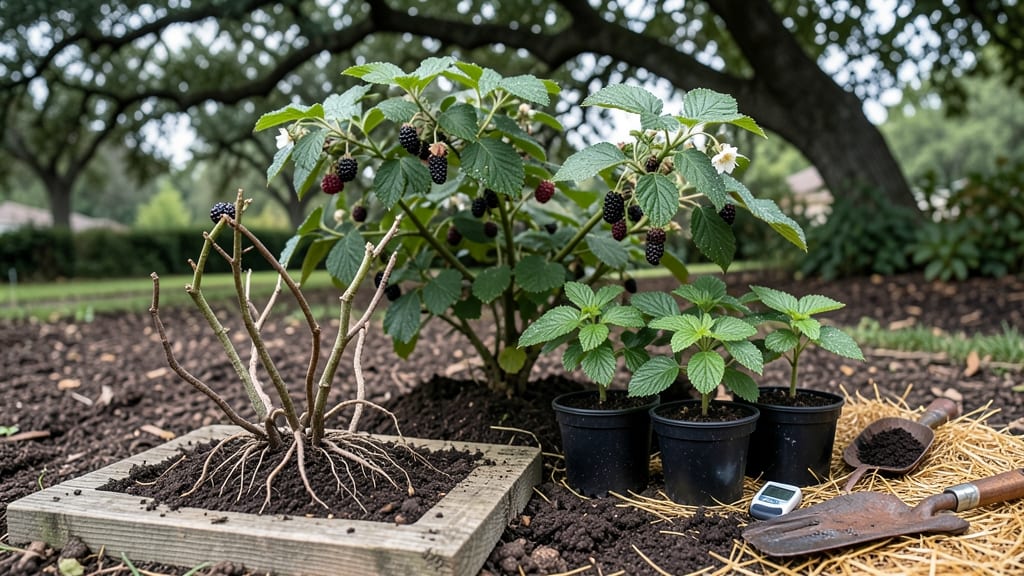
Planting blackberries in Oklahoma might seem tricky with its unpredictable weather swings, but getting the timing right can mean the difference between a thriving 🫐 bush and one that barely survives.
The key isn’t just picking a season—it’s choosing the right window when soil temperatures and frost risks align perfectly for your zone.
Most Oklahoma gardeners swear by two ideal planting periods: late winter to early spring or fall, just before the first frost hits. For USDA zones 6a-8a, this usually means February-March or September-October, when the ground is workable but extreme heat or cold isn’t a factor.
But here’s the catch—late frosts in March can still sneak up, so timing matters even more than you’d think.
Whether you’re planting bare-root canes or potted blackberries, the goal is to give your bushes a strong start before Oklahoma’s summer heat kicks in.
I’ll break down exactly when to plant based on your specific region, plus pro tips to avoid common pitfalls like poor drainage or overwatering that can derail your harvest.
Ready to grow blackberries that produce bountiful fruit year after year? Let’s dive into the best months to plant, the varieties that thrive here, and how to prep your soil for success—so you can enjoy homegrown 🫐 by next summer.
Best months to plant blackberries in Oklahoma: climate-specific guide
Oklahoma’s USDA Hardiness Zones 6a-8a create a unique challenge for blackberry growers—too early, and frost will damage young plants; too late, and summer heat stresses them before winter.
The ideal planting windows are late winter (February-March) or early fall (September-October), when soil temperatures hover between 50-60°F and frost risks are minimal.
In northern Oklahoma (Zone 6a-7a), aim for March 15-April 15 in spring or September 15-October 15 in fall. Southern regions (Zone 7b-8a) can extend planting until November 1, but avoid planting after October 31 to ensure roots establish before winter dormancy.
Blackberries thrive in Oklahoma’s hot summers and mild winters, but timing matters. Spring planting gives plants a full growing season before winter, while fall planting allows roots to establish before summer heat.
Both methods work—just adjust based on your microclimate (e.g., Tulsa’s humidity vs. Oklahoma City’s drier air).
⚠️| Planting Window | USDA Zone | Soil Temp | Frost Risk | Best Varieties |
|---|---|---|---|---|
| Late Winter (Feb-Mar) | 6a-8a | 50-60°F | Low (post-frost) | Arapaho, Ouachita |
| Early Fall (Sep-Oct) | 6a-8a | 60-70°F | None (pre-winter) | Navajo, Chester |
| Late Fall (Nov) | 7b-8a | 55-65°F | Moderate (Zone 7b+) | Apache, Natchez |
For spring planting, bare-root canes should go into the ground by April 1 in most of Oklahoma to avoid late frost damage. If you’re in Zone 6a, wait until after April 15 to ensure safety. Fall planting is ideal for thornless varieties, which are easier to manage but need extra care in Oklahoma’s humid summers.
Oklahoma’s microclimates play a huge role. In Tulsa’s Zone 7b, you can plant as late as November 1, while Altus (Zone 7a) should stick to September-October. Always check your local frost dates—the Oklahoma Mesonet provides real-time data to help you plan.
Pro tip: If you’re planting in late spring (May-June), choose heat-tolerant varieties like Apache or Navajo. These thrive in Oklahoma’s 100°F+ summers and produce fruit even in high humidity. Just be prepared for less vigorous growth the first year.
Blackberries planted in fall often outperform spring-planted bushes because they establish roots before summer heat. However, avoid planting after October 15—roots need 6-8 weeks to harden off before winter. Use mulch (straw or pine needles) to protect young plants from freeze-thaw cycles common in Oklahoma winters.
One common mistake Oklahoma gardeners make is planting too late in spring (after May 1). By then, summer heat is already stressing new plants. If you miss the spring window, fall planting is your best backup. Just ensure soil temperatures stay above 50°F for root growth.
For container growing in Oklahoma, plant in late spring (May) when soil warms up. Containers heat up faster, so use black plastic pots to absorb sunlight and extend the growing season. Just remember—containers dry out quickly in Oklahoma’s windy summers, so water deeply every 2-3 days.
How to prepare for blackberry planting in Oklahoma: soil, site, and timing tips
Preparing your Oklahoma garden for blackberries means focusing on three critical factors: soil quality, optimal sunlight, and timing adjustments. Blackberries thrive in well-draining soil with a pH between 5.5 and 6.5, so test your soil before planting.
If your soil is too alkaline, amend it with sulfur or peat moss to create the ideal acidic environment.
Choose a sunny location that receives at least 6-8 hours of sunlight daily. Oklahoma’s intense summer heat can stress young plants, so partial afternoon shade helps in USDA Zones 7b-8a. Avoid low-lying areas where cold air settles, as late spring frosts can damage tender canes.
Planting blackberries too early in Oklahoma’s unpredictable spring risks frost damage. Wait until soil temperatures reach 50°F (10°C) or later—typically mid-March to early April in most regions. Fall planting should occur 6-8 weeks before first frost (usually late September to early October).
🌱
Before planting, loosen the soil to a depth of 12-18 inches to improve drainage and root penetration. Mix in compost or well-rotted manure to enrich the soil with organic matter.
Blackberries need space to grow, so space canes 3-4 feet apart in rows 8-10 feet apart to allow for proper airflow and maintenance.
Install a support system like trellises or wires before planting to guide the canes as they grow. Oklahoma’s strong winds can damage unsecured plants, so ensure your supports are sturdy and anchored. Prune any weak or damaged canes before planting to encourage strong root development.
Mulch around the base of your blackberries with 2-3 inches of organic mulch, such as straw or wood chips, to retain moisture and suppress weeds.
Mulching also helps regulate soil temperature, protecting roots during Oklahoma’s hot summers and cold winters. Avoid heavy mulch that could suffocate roots or attract pests.
Finally, water your blackberries deeply after planting to settle the soil and encourage root growth. In Oklahoma’s dry climate, maintain consistent moisture—especially during the first 2-3 years—but avoid waterlogging the soil. Drip irrigation is ideal for delivering water directly to the roots without wetting the foliage, reducing disease risk.