
Plants
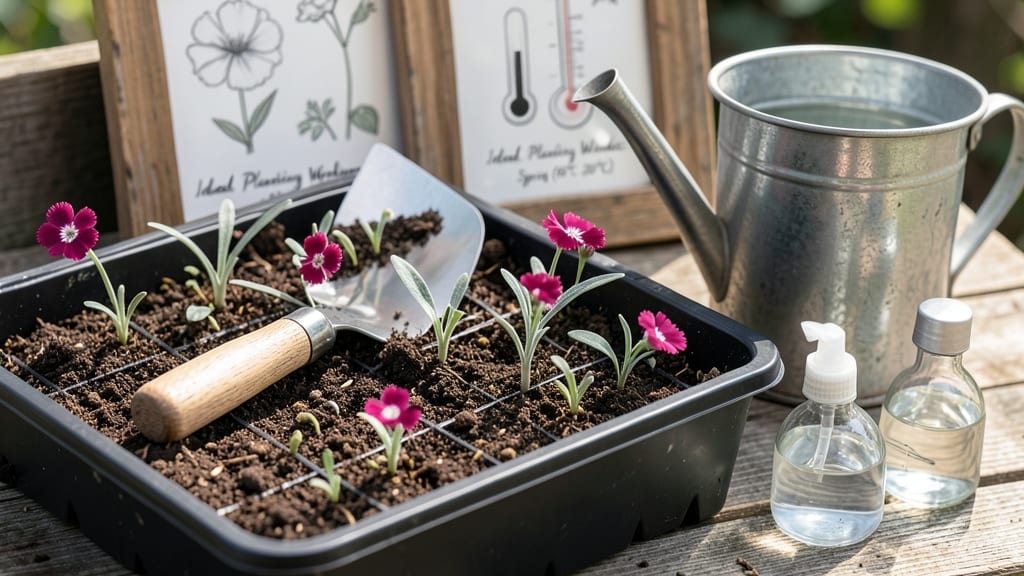
Timing your Dianthus seed planting in Australia can make or break your garden's spring and autumn blooms. Unlike many flowers, these sweet-scented 🌸 beauties demand precision—plant too early in cooler zones, and frost will strike; too late, and summer heat will stress your seedlings.
I’ve seen firsthand how a few weeks can transform struggling seedlings into vibrant, fragrant plants. The secret lies in your local climate: Sydney’s temperate springs contrast sharply with Perth’s milder autumns, and tropical regions like Cairns have their own rhythm.
Let’s break down the ideal months for your area and how to adjust for regional quirks.
You’ll discover when to start seeds indoors for a head start, how soil temperatures signal readiness, and why some gardeners in Zone 8a swear by February sowing while others in Zone 11 wait until August. Spoiler: It’s not just about the calendar—it’s about reading your garden’s cues.
Ready to turn your patch into a fragrant paradise? I’ll walk you through the exact steps, from soil prep to seed depth, so your Dianthus thrives year after year—no guesswork required.
Best months to plant dianthus seeds by australian climate Zone
Australia's diverse climate zones mean dianthus planting times vary dramatically from Sydney to Perth. In temperate zones (like Victoria and Tasmania), aim for spring (August-October) when soil warms to 15-20°C—this avoids frost damage while ensuring strong germination.
Meanwhile, subtropical regions (e.g., Brisbane) can plant as early as June-July for autumn blooms, while tropical zones (Northern Australia) thrive with February-March sowing to escape summer heatwaves.
Your local last frost date is critical—dianthus seeds won’t tolerate freezing. Check your region: Sydney’s last frost is typically September, while Perth’s mild winters allow earlier planting.
Even in cooler areas, greenhouse sowing 4-6 weeks before outdoor dates extends your season. For example, Melbourne gardeners often start seeds indoors in July to transplant by August.
Rainfall patterns also dictate timing. In dry regions like Adelaide, prioritize spring planting when winter rains recharge soil moisture. Conversely, humid tropical zones (e.g., Cairns) benefit from autumn sowing to avoid fungal risks during wet summers. Always monitor soil moisture—dianthus seeds need consistent dampness but hate soggy conditions.
Regional variations require flexibility. Perth’s Mediterranean climate means autumn (March-April) is ideal for winter blooms, while Darwin’s wet season (November-April) demands dry-season planting (May-June). Use your local Bureau of Meteorology data to align with rainfall cycles. For instance, Sydney’s spring equinox (late September) often marks the sweet spot for outdoor sowing.
🌱
🌡️ Dianthus Planting Windows by Australian Climate Zone
| Climate Zone | Ideal Planting Months | Soil Temp (°C) | Key Consideration | Regional Examples |
|---|---|---|---|---|
| Temperate | August–October | 15–20°C | Avoid frost; spring warmth | Melbourne, Canberra, Hobart |
| Subtropical | June–July or Feb–March | 18–22°C | Bypass summer heat/winter chill | Brisbane, Gold Coast, Byron Bay |
| Tropical | February–March | 22–25°C | Dry season planting | Darwin, Cairns, Townsville |
| Mediterranean | March–April | 16–19°C | Autumn moisture for winter blooms | Perth, Adelaide |
💡 Pro Tip: Use seedling trays for all regions to control moisture and temperature until true leaves appear.
Adjust your timing based on microclimates within your area. A north-facing garden in Sydney may be 2°C warmer than a south-facing spot, allowing earlier sowing. Similarly, elevated areas like Adelaide Hills experience cooler nights, delaying planting by 2-3 weeks compared to coastal zones.
Always test soil temperature with a thermometer—dianthus seeds need consistent warmth to germinate reliably.
For container gardening, timing flexibility increases. Potted dianthus can be planted 4-6 weeks earlier than in-ground varieties since containers warm faster. However, avoid planting in plastic pots during summer—they overheat soil.
Opt for terracotta or fabric pots to maintain stable temperatures. In tropical zones, shade cloth over seed trays prevents overheating during February-March sowing.
Watch for unpredictable weather patterns. La Niña years bring earlier rains to eastern Australia, allowing July-August sowing in subtropical zones. Conversely, El Niño droughts may require indoor seed-starting until autumn rains return. Sign up for local weather alerts to adjust your schedule—dianthus seeds won’t wait for perfect conditions!
🌿
Remember: dianthus flowers
Best months to plant dianthus seeds by australian climate Zone
Australia’s diverse climate zones mean dianthus seed planting times vary dramatically. In temperate zones like Sydney or Melbourne, aim for spring (August–October) when soil warms to 15–20°C.
Meanwhile, subtropical regions such as Brisbane can sow in late winter (July–August), while tropical zones like Cairns or Darwin benefit from early autumn (February–March) planting to avoid summer heat stress.
Your local last frost date is critical—plant too early in cooler regions, and seedlings may rot. In Perth, for example, September is ideal, while Adelaide gardeners should wait until October. Always check your Bureau of Meteorology frost forecasts to adjust timing.
🌸
| Climate Zone | Best Planting Months | Key Considerations |
|---|---|---|
| Temperate (Sydney, Melbourne) | August–October | Avoid frost; soil must reach 15°C. |
| Subtropical (Brisbane, Gold Coast) | July–August | Start indoors to escape summer heat. |
| Tropical (Darwin, Cairns) | February–March | Plant in partial shade to prevent wilting. |
| Mediterranean (Perth, Adelaide) | September–October | Use mulch to retain moisture. |
For coastal areas, watch for salt spray—plant dianthus in raised beds or use well-draining soil mixes to prevent root damage. In inland regions, prioritize well-draining soil to avoid waterlogging, especially after winter rains.
If you’re unsure about your zone, use the ABC Plant Finder tool to input your postcode. This will reveal your frost-free period and ideal planting window. For example, Hobart has a shorter growing season than Canberra, so adjust accordingly.
Pro tip: Stagger your sowing by 2–3 weeks to extend your blooming season. Start a batch in late August for early spring flowers, then follow with September and October batches for continuous color.
🌿