
Plants
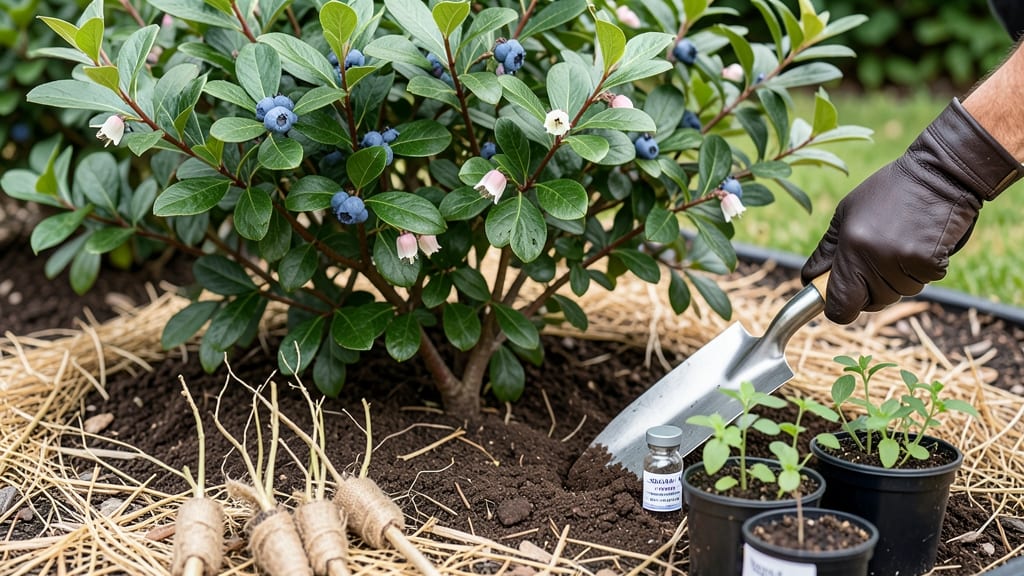
Planting blueberries in Mississippi at the wrong time can mean the difference between a thriving 🫐 bush and one that struggles—or worse, dies. With our state’s unique 8a-9a climate and humid summers, timing is everything, especially when soil temperatures and frost-free deadlines come into play.
Most gardeners know spring is the ideal window, but did you know Mississippi’s late winter to early spring (February–March) offers the perfect balance of cool soil and minimal frost risk? This is when your blueberry bushes will establish roots most effectively, setting the stage for years of juicy harvests.
Whether you’re planting bare-root bushes or container-grown varieties, understanding your specific zone’s frost dates and soil readiness is the key to success. I’ll break down the exact steps to time your planting right, so you can avoid common mistakes and maximize your yield.
From soil prep to variety selection, let’s dive into what Mississippi gardeners need to know to plant blueberries for a bountiful future—without the guesswork.
Mississippi blueberry planting timeline: soil temperature & frost-free deadlines by month
Timing your blueberry bushes in Mississippi hinges on two critical factors: soil temperature and frost-free dates. The ideal window spans from late February to early April, when daytime temperatures consistently stay above 40°F and nighttime temperatures hover around 50°F.
Planting too early risks frost damage, while waiting too long may delay root establishment before summer heat arrives.
Mississippi’s USDA zones 8a-9a offer a long growing season, but northern regions (like the Delta) experience earlier frosts than southern areas (Gulf Coast). Use a soil thermometer to confirm readiness—roots need 45-50°F soil for optimal growth.
For bare-root plants, this means waiting until mid-March in most areas, while container-grown bushes can tolerate slightly cooler soils.
⚠️ NON-NEGOTIABLE: Avoid planting when frost warnings linger. Check your local National Weather Service for last-frost dates, which typically fall around February 15 in northern Mississippi and March 1 in southern regions. Planting 2-3 weeks after your area’s average last frost minimizes shock to tender roots.
| Month | Soil Temp Requirement | Frost Risk | Best Planting Window | Mississippi Region Notes |
|---|---|---|---|---|
| February | 40-45°F (northern MS) / 45-50°F (southern MS) | High (northern MS) / Low (southern MS) | Late February (southern MS only) | Risky in north; wait for stable 45°F+ soils |
| March | 45-50°F (statewide) | Moderate (early) / None (late) | Ideal (entire state) | Best month for bare-root plants |
| April | 50-60°F | None | Early April (container plants) | Last chance before summer heat stress |
| May | 60°F+ | None | Not recommended | Established roots struggle in summer heat |
For container-grown blueberries, you have slightly more flexibility—planting in April is acceptable if you’ve hardened off your plants and ensure consistent moisture. However, bare-root bushes require immediate root establishment, so March remains the gold standard.
Pro tip: Soak bare-root plants in water for 4-6 hours before planting to rehydrate roots and reduce transplant shock.
Mississippi’s humidity and summer heat demand extra attention post-planting. Once established, blueberries thrive in 6+ hours of sun, but afternoon shade (via mulch or nearby trees) helps protect delicate foliage during 90°F+ days.
Apply 2-3 inches of mulch (pine straw or wood chips) to retain moisture and regulate soil temperature—critical for root health during the state’s intense summers.
If you’re planting in coastal Mississippi (e.g., Gulf Coast), account for hurricane season risks. Delay planting until late March to avoid storm damage during June-November.
For inland areas, focus on soil prep—amend clay soils with compost or peat moss to improve drainage, as blueberries hate soggy roots. Test your soil’s pH (4.5-5.5) using a home test kit—Mississippi’s native soils often lean alkaline, requiring sulfur or pine needles to acidify.
Mississippi’s long growing season (210+ frost-free days) rewards patient gardeners with multiple harvests. Early varieties like 'Climax' ripen by late May, while late varieties like 'Powderblue' extend fruit production into July.
By planting in March and providing consistent care, you’ll set your bushes up for decades of productivity—far beyond what’s possible in colder climates.
Remember: Soil temperature > calendar dates. Use a soil thermometer to confirm readiness—roots need 45°
Mississippi blueberry planting timeline: soil temperature & frost-free deadlines by month
Mississippi gardeners enjoy a 210-day frost-free season, but blueberries need precise timing to thrive. The ideal planting window spans from late February through April, when soil temperatures reach 40–50°F.
Northern Mississippi (USDA Zone 8a) should plant slightly earlier, while southern regions (Zone 9a) can extend into early May for container-grown bushes.
Soil temperature is critical—below 40°F stalls root growth, while above 50°F risks shock. Use a soil thermometer to verify readiness. In coastal areas, hurricane season (June–November) may delay planting until after May 15 to avoid storm damage during establishment.
| Month | Soil Temp (°F) | Frost Risk | Best Planting Method |
|---|---|---|---|
| Late February | 40–45°F | High (northern MS) | Bare-root only (acclimated plants) |
| March | 45–50°F | Moderate | Bare-root or potted (best time) |
| April | 50–55°F | Low | Potted or bare-root (extended window) |
| May | 55–60°F | None | Potted only (coastal areas) |
🌱 Pro Tip: Mulch with pine straw after planting to retain moisture and regulate soil temp.
For bare-root planting, soak roots in water for 2–4 hours before inserting into a hole twice as wide as the root ball.
Mississippi’s acidic soil (pH 4.5–5.5) is often naturally suitable, but test with a soil kit—amend with sulfur or peat moss if needed. Container-grown bushes offer flexibility but require larger pots (15+ gallons) for mature roots.
Mississippi’s humidity and heat demand extra care post-planting. Water deeply twice weekly for the first month, then taper to weekly deep waterings.
Avoid overhead sprinklers to prevent fungal diseases like botrytis, common in the state’s damp climate. Dwarf varieties (e.g., 'Top Hat') are ideal for containers and smaller spaces, while standard bushes need 6–8 feet of spacing.
If you miss the February–April window, consider fall planting in November for northern Mississippi, but avoid late fall in southern regions where freezes can occur by December. Always mulch heavily in winter to protect roots from temperature swings—a common issue in Mississippi’s transitional climate zones.
Timing isn’t just about months—it’s about microclimates. Coastal areas like Biloxi may plant later due to warmer winters, while inland cities like Tupelo should align with last frost dates (mid-February). Use local Cooperative Extension Service frost maps for precision.