
Plants
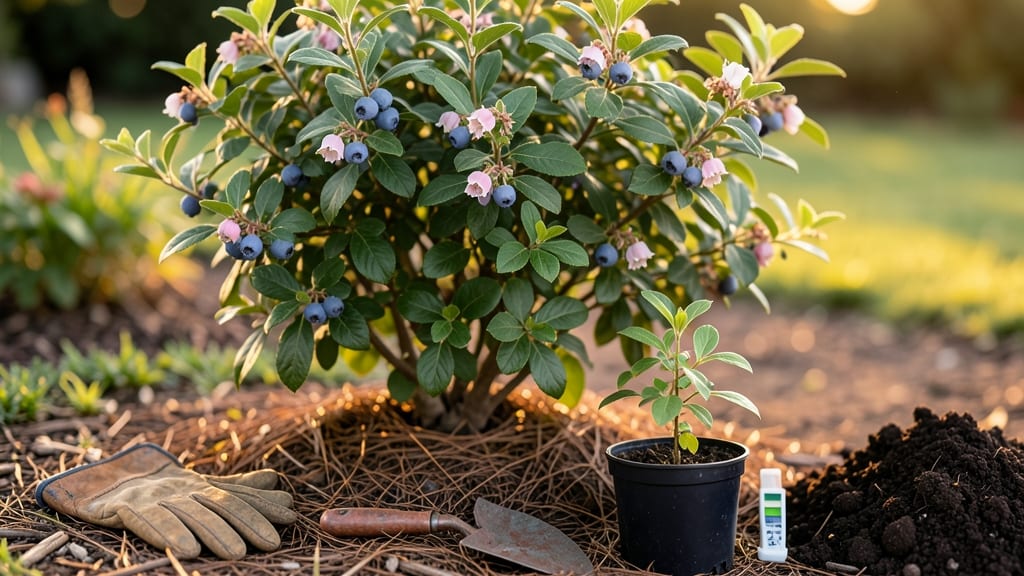
Planting your 🫐 Blueberry Bush at the wrong time in Georgia could mean years of struggling for that dream harvest—so let’s get this right.
The perfect window for planting in Georgia’s 7b-8b zones is late winter to early spring, when soil temperatures are just right for root growth and frost risks are lower.
Why does timing matter so much? Blueberries are sensitive to heat stress and soil conditions, and planting outside this window can lead to stunted growth or even plant failure.
I’ll walk you through exactly when to plant, how to prep your soil, and which varieties thrive best in Georgia’s climate—so you can enjoy sweet, juicy berries in just a few seasons.
Whether you’re a first-time gardener or a seasoned pro, knowing the ideal months (and what to avoid) makes all the difference. Let’s break down the best strategies to ensure your blueberry bushes take root strong and produce for years to come.
From soil pH to frost dates, we’ll cover everything you need to know to plant with confidence—and skip the common mistakes that waste time and money. Ready to grow berries like a pro?
Best planting months for blueberry bushes in Georgia’s climate zones
Blueberry bushes thrive in Georgia’s USDA zones 7b-8b, but the perfect planting window depends on your region’s last frost date and soil temperature.
Most gardeners in North Georgia (zones 7b) aim for late February to early March, while South Georgia (zone 8a) can plant as late as mid-April. The goal? Establish roots before summer heat or winter frost stress kicks in.
Georgia’s microclimates create variations—mountain regions (like Blue Ridge) have cooler springs, while coastal areas (like Savannah) stay warm longer. I’ll break down the ideal planting months for each zone to help you avoid common mistakes and maximize success.
Soil temperature is your best indicator: plant when the ground warms to 50°F (10°C) at a 6-inch depth. This usually aligns with late winter to early spring, but always check your local frost-free date (typically mid-March for most of Georgia).
| Georgia Region | USDA Zone | Best Planting Window | Soil Temp Requirement | Key Consideration |
|---|---|---|---|---|
| North Georgia (Mountains) | 7b | Late February - Early March | 50°F (10°C) at 6" | Cooler springs; risk of late frost |
| Central Georgia (Atlanta) | 8a | Early March - Mid-April | 50°F (10°C) at 6" | Moderate climate; flexible window |
| South Georgia (Coastal) | 8a-8b | Mid-April - Early May | 55°F (13°C) at 6" | Warmer soils; avoid summer heat |
🌱 Pro Tip: Use a soil thermometer to confirm readiness—don’t guess!
If you miss the spring window, you can still plant in fall (October-November), but this works best in North Georgia where winters are milder. Southern regions risk heat stress if planted too late, so stick to spring for best results.
For container-grown bushes, timing is less critical—you can plant year-round as long as the soil isn’t frozen. However, bare-root plants (the most common type) need dormant soil to establish roots, making late winter/early spring the gold standard.
One common mistake? Planting too early in South Georgia when soils are still cold. This delays root growth and leaves bushes vulnerable to spring heatwaves. Always prioritize root establishment over rushing the calendar.
After planting, mulch heavily (3-4 inches of pine straw or wood chips) to retain moisture and regulate soil temperature. This is especially critical in Georgia’s hot summers, where mulch can mean the difference between thriving bushes and stressed plants.
Remember: Blueberries hate wet feet. Ensure your planting site has well-draining soil and consider raised beds if your native soil is heavy clay. Amend with peat moss or sulfur to maintain the acidic pH (4.5-5.5) these bushes crave.
Finally, avoid planting during extreme weather—whether it’s a freeze warning or a 100°F heatwave. Check your local National Weather Service for alerts and adjust your timeline accordingly. Patience now pays off with decades of berry production!
How to choose the perfect time based on blueberry variety and region
Georgia’s diverse climate—from the cool mountain regions to the humid coastal plains—means not all blueberry varieties thrive at the same time. Southern highbush varieties like 'Tifblue' and 'Climax' love Georgia’s heat, while northern highbush types like 'Bluecrop' prefer cooler mountain areas.
Your region and variety choice directly impact when you should plant for maximum success.
For coastal Georgia (Zone 8a-8b), early-season varieties like 'Premier' or 'Peach Sorbet' should be planted in late February to early March to avoid spring heat stress. In contrast, north Georgia (Zone 7b) benefits from a late March to April planting window, allowing roots to establish before summer’s intensity.
Variety matters just as much as timing. Early-season types (e.g., 'Climax') produce berries in May-June, while late-season varieties (e.g., 'Tifblue') ripen in June-July. Planting the wrong variety for your region can result in poor fruit set or even no harvest at all.
🌱 Pros & Cons: Fall vs. Spring Planting in Georgia
- ✅ Faster root establishment in warm soil
- ✅ Avoids winter stress for young plants
- ✅ Ideal for bare-root bushes
- ✅ Cooler temps reduce transplant shock
- ✅ More time for root growth before winter
- ✅ Works well for potted plants
- ❌ Risk of heat stress if planted too late
- ❌ Limited time for root growth before summer
- ❌ Requires consistent watering
- ❌ Late frosts can damage new growth
- ❌ Limited time to establish before winter
- ❌ Requires mulching for protection
If you’re in central Georgia (Zone 8a), aim for March planting—this balances the need for warm soil and avoids the extreme summer heat. For mountain regions (Zone 7b), extend your window to April to ensure the ground isn’t still too cold or frozen.
Pro tip: Check your local frost dates (typically mid-March for last frost and mid-November for first frost in Georgia). Plant at least 4-6 weeks before the average last frost to give roots time to establish before summer’s heat kicks in.
Remember, acidic soil (pH 4.5-5.5) is non-negotiable for blueberries. Test your soil and amend with peat moss or sulfur if needed—this is just as critical as timing for a successful harvest. 🌱