
Plants
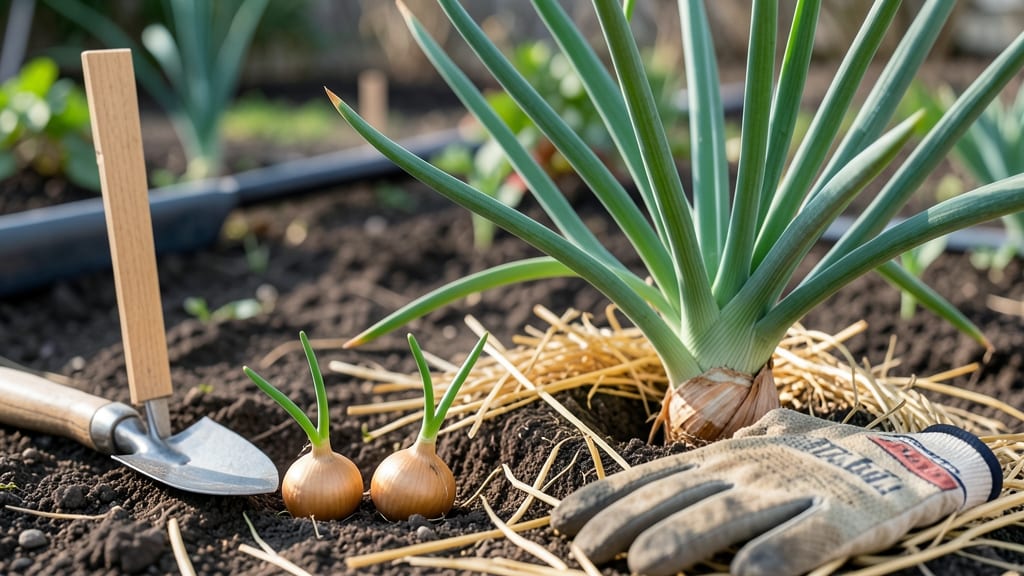
Timing your 🧅 onion planting in Georgia (GA) isn’t just about luck—it’s about beating the heat, frost, and bolting to get bulbs that actually store.
Plant too early, and a late frost will turn your seedlings to mush; too late, and your onions will bolt straight into seed before you can say "sweet onion."
Georgia’s 7b-8b climate gives you two prime windows: late February to early March for spring planting or September to early October for fall. But here’s the catch—soil temperature matters more than the calendar. Aim for 40-60°F soil to avoid stunted growth or premature flowering.
I’ve grown onions in Georgia for years, and the difference between a bountiful harvest and a flop comes down to these two things: soil prep and microclimate tweaks.
Whether you’re in humid Savannah or cooler Atlanta, this guide will help you pick the perfect moment to plant for bulbs that rival the grocery store—without the chemical aftertaste.
Ready to ditch the guesswork? Let’s break down the exact steps to time your planting like a pro, from soil tests to frost dates, so you can enjoy fresh 🧅 onions from your garden all year.
Georgia’s ideal onion planting window by soil temperature & frost dates
Georgia’s USDA zones 7b-8b create a unique challenge for onion growers—balancing warm winters with hot summers requires precise timing. Onions thrive in cool soil (40-60°F), but Georgia’s climate demands two planting windows: fall for overwintering and early spring before the heat sets in.
Miss these windows, and you’ll risk bolting (premature flowering) or stunted growth.
For spring planting, aim for late February to early March—about 4-6 weeks before your last frost date. Most of Georgia sees its last frost around mid-March, but coastal areas like Savannah may experience frost 2-3 weeks later.
Use seedlings or sets (small bulbs) instead of seeds, as they establish faster in Georgia’s short cool season.
Fall planting offers a second harvest opportunity. Start 8-10 weeks before your first frost (typically mid-September to early October in most of Georgia). This gives onions time to develop a strong root system before winter dormancy. In northern Georgia (USDA 7a), like the Blue Ridge Mountains, push planting to late August to avoid early frost damage.
| Planting Window | Soil Temp | Frost Consideration | Best For |
|---|---|---|---|
| Late Feb - Early Mar | 45-55°F | 4-6 weeks before last frost | Spring harvest (May-June) |
| Mid-Sep - Early Oct | 50-60°F | 8-10 weeks before first frost | Fall harvest (Nov-Dec) |
| Late Aug (North GA) | 50-55°F | 10-12 weeks before first frost | Cooler mountain regions |
Georgia’s humidity and heat can trick onions into bolting, so short-day varieties (like Texas Early White or Red Creole) are ideal—they mature before Georgia’s summer heat peaks. Avoid long-day varieties (e.g., Yellow Sweet Spanish) unless you’re in northern GA, where cooler summers delay bolting.
For container growing, plant in late February or early September to match the ground planting windows. Containers warm up faster, so monitor soil temps closely—aim for 50-55°F for consistent germination.
Use well-draining pots (at least 6 inches deep) and place them in full sun to prevent leggy, weak plants.
Extend your fall harvest by planting a second crop in late summer (early August). Choose quick-maturing varieties (like 1015Y Yellow) that can reach harvest size before winter. Mulch heavily with straw or leaves to insulate roots from temperature swings—Georgia’s unpredictable fall weather can cause uneven growth.
If you miss the ideal windows, don’t despair! Overwintering onions is a Georgia gardener’s secret weapon. Plant hardneck varieties (like Candy or Purplette) in fall—they’ll survive mild winters and produce sweet, flavorful bulbs in spring.
Just cover them with 12 inches of mulch to protect from freezes below 20°F.
Always check your local frost dates—Georgia’s climate varies wildly from Savannah’s coastal warmth to Atlanta’s urban heat islands. Use the National Weather Service or Almanac tools to fine-tune your schedule. With the right timing, you’ll enjoy homegrown onions year-round in Georgia’s diverse climate! 🌿
Georgia’s ideal onion planting window by soil temperature & frost dates
Georgia’s USDA zones 7b-8b create a unique challenge for onion growers—cool enough for spring planting but warm enough to overwinter certain varieties. The key is planting when soil temperatures sit between 40-60°F, which triggers consistent germination without bolting.
In most of Georgia, this means two distinct planting windows: late winter/early spring and early fall.
For spring planting, aim for 4-6 weeks before your last frost date (typically mid-March in most regions). This gives seedlings time to establish roots before soil warms.
In fall, plant 8-10 weeks before your first frost (usually early October) to allow bulbs to mature before winter chill sets in.
Soil temperature is more critical than air temperature. Use a soil thermometer to confirm readiness—below 40°F delays germination, while above 60°F triggers bolting. In cooler mountain regions, you may have a third window in late summer for quick-maturing varieties.
| Planting Window | Soil Temp | Frost Consideration | Best Varieties |
|---|---|---|---|
| Late February - Early March | 45-55°F | 4-6 weeks before last frost | Yellow Granex, Texas Early White |
| September - Early October | 50-60°F | 8-10 weeks before first frost | Red Creole, Sweet Spanish |
| Late Summer (Mountains Only) | 55-65°F | Quick-maturing varieties only | 1825 Texas Super Sweet |
Georgia’s coastal regions (like Savannah) have longer frost-free windows, allowing for extended fall planting into early November. Meanwhile, Piedmont areas (Atlanta and beyond) should stick to the earlier fall window to avoid winter damage.
Always check your local Cooperative Extension Service for year-specific frost dates, as they can vary by 2-3 weeks annually.
Pro tip: Use row covers in early spring or late fall to extend your planting window by 2-3 weeks. This protects seedlings from light frosts while maintaining optimal soil temperatures. For fall plantings, apply a thick mulch layer (straw or leaves) after frost to insulate bulbs through winter.
Remember, onions are biennial—they form bulbs in their first year and flower in the second. In Georgia’s climate, most gardeners treat them as annuals to avoid bolting. If you’re growing perennial varieties, time your planting to harvest before the second year’s heat triggers flowering. 🌱