
Companion Plants
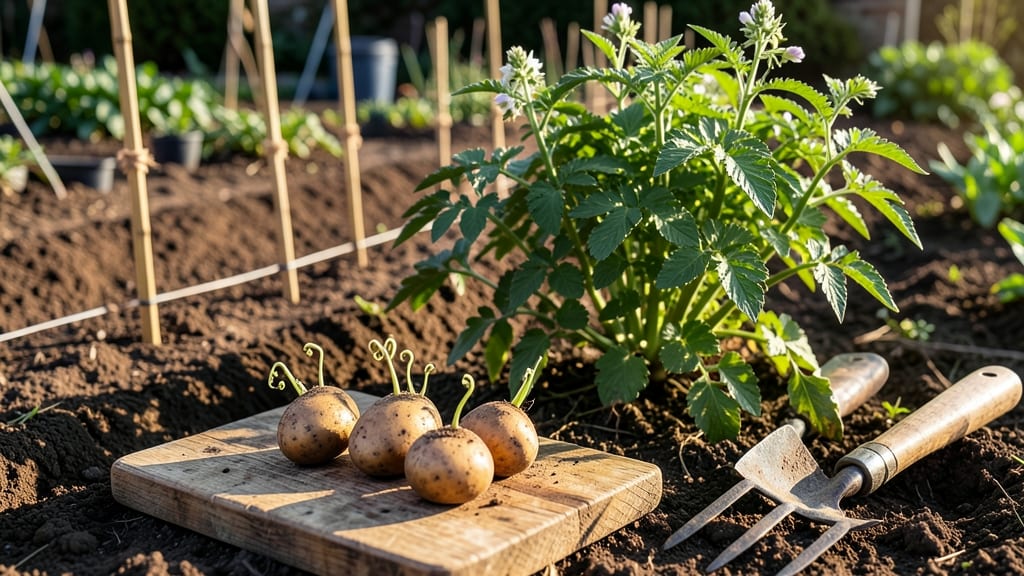
If you've ever wondered "when can I plant potatoes in Georgia", you're not alone—getting the timing right is the difference between a bountiful harvest and wasted effort.
Georgia's warm climate means you can grow potatoes year-round with the right strategy, but planting too early or late can lead to stunted growth or even disease.
Most gardeners in Georgia plant their 🥔 in early spring, around February to March, when soil temperatures hit that sweet spot of 45-55°F. But if you're aiming for a fall harvest, late summer planting in August or September works too.
The key is avoiding frost and heat stress, which can turn your dream crop into a disappointment.
I’ll break down the best planting windows based on your exact location—whether you're in the Piedmont, coastal plains, or mountain regions—so you can time it perfectly. You’ll also learn how to adjust for unusual weather, like early heatwaves or late frosts, to keep your potatoes thriving.
Ready to grow potatoes that outperform the grocery store? Let’s dive into the exact timing and tips that’ll give you the best yield possible in Georgia’s unique climate.
Georgia’s ideal potato planting window: frost dates and soil temperatures
Georgia’s diverse climate—from the coastal plains to the mountain regions—means potato planting times vary by USDA Zone. Most gardeners in Zones 7b-8a (common in Georgia) can plant potatoes as early as February for a spring harvest or as late as June for a fall crop.
The key is waiting until the soil reaches 45-55°F and the last frost date has passed.
Use the USDA Plant Hardiness Zone Map to pinpoint your exact window. For example, Athens (Zone 8a) typically plants in late February to March, while Savannah (Zone 8b) can start as early as January. Always check local frost forecasts—a late freeze can devastate young potato plants.
Soil temperature is critical. Potatoes thrive in cool but workable soil. If the ground is too cold (<45°F), tubers won’t form properly. Use a soil thermometer to monitor—plant when temps consistently stay above 50°F during the day. In Georgia’s humid summers, a late-June planting avoids blight while still allowing time for harvest before frost.
For a year-round harvest, many Georgia gardeners plant in two waves: early spring for new potatoes and late summer for storage varieties. This strategy maximizes yield and reduces disease pressure. Just ensure your second planting is done by mid-July to allow 90-120 days to maturity before frost.
Microclimates play a huge role. Valleys may frost later than hilltops, while urban areas can trap heat. Observe your garden’s patterns over 2-3 years to refine your planting schedule. Pro tip: Plant test rows 2 weeks apart to gauge which timing works best in your specific spot.
Another critical factor is soil drainage. Georgia’s clay-heavy soils can suffocate potatoes if waterlogged. Amend with compost or sand to improve aeration. Raised beds are ideal for heavy clay regions like North Georgia, as they warm faster in spring and drain better.
Don’t forget about chitting—pre-sprouting seed potatoes indoors 4-6 weeks before planting. This gives you a 2-week head start on growth, crucial in Georgia’s short cool season. Place seed potatoes in a bright, cool spot (60-65°F) with light to encourage 1-inch sprouts before transplanting.
Here’s how to calculate your personalized planting window:
- Find your USDA Zone (Georgia ranges from 7a-8b).
- Note your average last frost date (use Almanac.com).
- Subtract 2-4 weeks for early varieties or add 6-8 weeks for late plantings.
- Test soil temperature—plant when it’s consistently 50°F+.
Timing isn’t just about frost—it’s also about disease pressure. Georgia’s humid summers increase risks of late blight and scab. Planting early varieties before May avoids peak disease months. For late plantings, choose resistant varieties like Red LaSoda or Kennebec.
Pro tip: Use straw mulch to regulate soil temperature and retain moisture. This is especially helpful in sandy soils (common in South Georgia) where moisture evaporates quickly. Mulch also prevents green potatoes, which form when tubers are exposed to light.
🌱Key Takeaway: Georgia’s potato planting window spans February to July, but your exact timing depends on zone, soil temp, and frost risk. Start with early varieties in February-March, then follow up with late plantings in June-July for a fall harvest.
🌱 Georgia Potato Planting Comparison
| Planting Window | USDA Zones | Soil Temp | Best Varieties | Harvest Window |
|---|---|---|---|---|
| Early Spring (Feb-March) | 7b-8a | 45-55°F | Yukon Gold, Red Pontiac | May-June |
| Late Spring (April-May) | 7a-8b | 50-60°F | Kennebec, Russet | June-July |
| Summer (June-July) | 8a-8b | 55-65°F | Red LaSoda, Purple Viking | Sept-Oct |
🌱 Note: Adjust planting dates 1-2 weeks earlier for high-altitude gardens (e.g., Blue Ridge Mountains).
If you’re new to potato growing, start with certified disease-free seed potatoes from reputable suppliers. Avoid planting store-bought potatoes, as they may carry diseases. For organic gardening, use
Best potato varieties for Georgia’s climate and when to plant them
Georgia’s diverse climate—from the coastal plains to the Appalachian foothills—means you can grow potatoes year-round with the right varieties and timing. Early-season types thrive in spring’s cooler months, while heat-tolerant varieties shine in summer’s humidity.
Choosing the wrong variety risks blight, poor yield, or wasted effort, so let’s match your garden to Georgia’s best performers.
For spring planting (March-April), prioritize cool-season varieties like Yukon Gold or Red Pontiac, which mature in 70-90 days. These handle Georgia’s 50-60°F soil temps perfectly and avoid summer’s oppressive heat.
If you’re planting for a fall harvest (June-July), opt for late-season types like Purple Viking or Kennebec, which tolerate 85-90°F heat and resist common diseases.
| Variety | Days to Maturity | Best Planting Window | Key Traits |
|---|---|---|---|
| Yukon Gold | 70-90 days | March-April (spring) | Buttery texture, high yield, disease-resistant |
| Red Pontiac | 80-100 days | March-April (spring) | Classic red skin, great for mashed potatoes |
| Purple Viking | 90-110 days | June-July (fall) | Heat-tolerant, rich purple flesh, antioxidant-rich |
| Kennebec | 100-120 days | June-July (fall) | Long storage life, firm texture, blight-resistant |
If you’re in North Georgia (USDA Zones 7-8), focus on early varieties to escape summer’s heat. In South Georgia (Zones 8-9), you can plant heat-tolerant types twice a year: once in February-March and again in August-September.
For example, Sweet Potato (not a true potato but a Georgia staple) thrives in summer’s heat and can be planted as late as May-June.
Pro tip: Use black plastic mulch in summer plantings to raise soil temps 5-10°F and speed up germination. This trick works wonders in Georgia’s humid summers, where slow starts lead to disease pressure.
Pair your potatoes with companion plants like marigolds (to deter pests) or beans (to fix nitrogen in the soil).
For container growing, choose compact varieties like Red LaSoda (60-70 days) or Finnish Yellow (50-60 days). These fit in 5-gallon buckets and let you grow potatoes on patios or balconies—ideal for urban gardeners in Atlanta or Savannah.
Just ensure your containers have drainage holes and use lightweight potting mix.
Remember: Georgia’s humidity and heat demand vigilant care. Rotate crops yearly to prevent soil-borne diseases, and avoid overhead watering to minimize blight risks. With the right variety and timing, you’ll harvest homegrown potatoes from spring to fall—no greenhouses needed! 🌱