
Plants
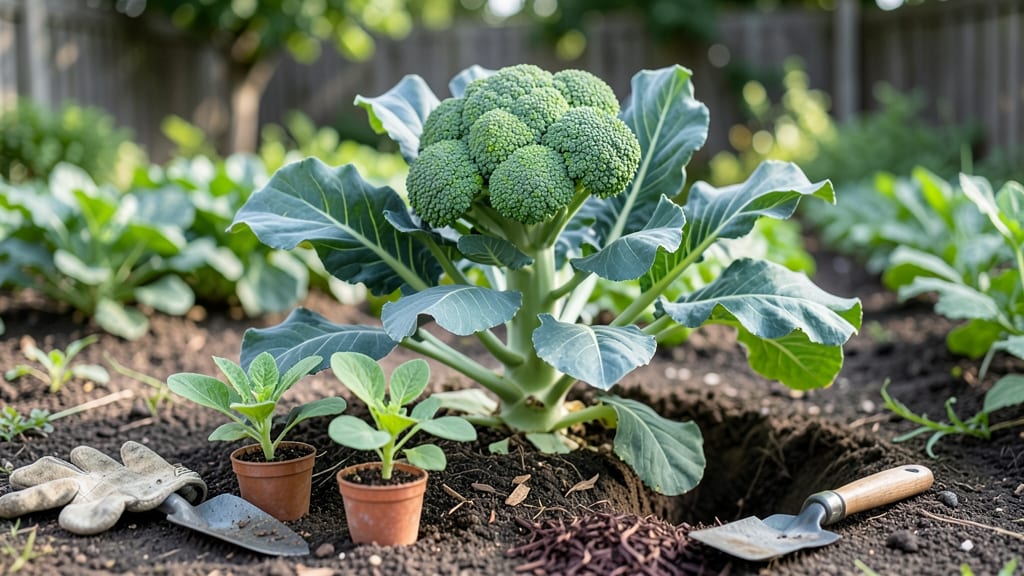
Timing your broccoli 🥦 planting in Wisconsin isn’t just about the calendar—it’s about dodging frost, avoiding bolting, and maximizing your harvest before winter sets in. One wrong move, and you’ll end up with bitter, flowery stalks instead of the tender crowns you’re after.
The good news? With the right planting window, you can enjoy fresh Wisconsin-grown broccoli from summer straight through fall.
Most gardeners in Wisconsin’s USDA zones 3-5 swear by spring planting, but fall crops are equally rewarding if you play your cards right. The key lies in understanding your specific zone’s last frost date and soil temperature thresholds—because broccoli seeds won’t germinate until the soil hits 45°F.
Too early, and you risk frost damage; too late, and you’ll miss the sweet spot for a full-sized head.
In this guide, I’ll break down the exact months to plant broccoli in Wisconsin, whether you’re starting with seedlings or direct-sowing seeds. You’ll also discover how to stretch your growing season with row covers and variety selection, plus companion plants that keep pests at bay.
No more guesswork—just a foolproof schedule for a zero-bolt harvest.
Ready to transform your garden into a broccoli powerhouse? Let’s dive into the planting calendar that’ll have you harvesting like a pro this season.
Wisconsin broccoli planting calendar by hardiness zone (avoid bolting & frost damage)
Wisconsin’s USDA zones 3a-5a create unique challenges for broccoli growers. The key is planting at the right time to avoid frost damage in spring and premature bolting from summer heat. Most Wisconsin gardens fall into zones 4a or 5a, where timing shifts slightly between northern and southern regions.
For zone 3a (northern Wisconsin), focus on late May to early June transplants—this gives seedlings time to establish before summer’s heat triggers bolting. In zone 4a (central Wisconsin), you can start 4-6 weeks earlier, around mid-April for seeds or early May for transplants.
Zone 5a (southern Wisconsin) offers the longest window: start seeds indoors in March or transplant in late April. The goal is to have mature heads ready by early September before fall frosts arrive.
Fall planting is also possible in Wisconsin! For a second harvest, sow seeds in late July to early August (zones 4a-5a) to mature before winter sets in. Northern zones (3a) should wait until mid-August.
| Zone | Spring Planting Window | Fall Planting Window | Last Frost Date | Key Tip |
|---|---|---|---|---|
| 3a (Northern WI) | Late May - Early June | Mid-August | May 15-31 | Use row covers for early starts |
| 4a (Central WI) | Mid-April (seeds) / Early May (transplants) | Late July - Early August | May 1-15 | Choose bolt-resistant varieties |
| 5a (Southern WI) | March (indoors) / Late April (transplants) | Late July | April 15-30 | Succession plant every 2 weeks |
To maximize your harvest, plan for succession planting. In zones 4a-5a, sow new seeds every 2-3 weeks from May through July. This ensures a continuous supply of broccoli heads rather than one massive harvest.
Always check your local last frost date—Wisconsin’s can vary by 1-2 weeks even within the same zone. For example, Madison (zone 5a) typically sees its last frost around April 20, while Green Bay (zone 4b) waits until May 10.
For container gardening in Wisconsin, start seeds indoors 6-8 weeks before your last frost date. Use fast-maturing varieties like ‘De Cicco’ (58 days) to fit Wisconsin’s short season. Containers warm up faster than soil, giving you a 2-week head start.
Pro tip: Mark your calendar for July 4th weekend—this is the ideal time to begin fall planting in most of Wisconsin. By then, soil temperatures have cooled enough to prevent bolting while still allowing 60-75 days to maturity before frost.
Remember, soil temperature matters more than air temperature. Use a soil thermometer to confirm your soil is at least 45°F before planting—cold soil delays germination and invites rot.
🌱
5 Critical factors that determine the perfect broccoli planting time in Wisconsin
Wisconsin’s cool climate and variable frost dates mean broccoli planting isn’t one-size-fits-all. Five key factors separate a successful harvest from bolted disappointment. Let’s break them down so you can plant with confidence.
First, soil temperature is non-negotiable. Broccoli seeds need 45°F+ soil to germinate reliably. In Wisconsin’s Zone 4a, this typically means waiting until late April to early May—never plant when soil is still cold and damp.
Next, frost sensitivity dictates your window. Young seedlings can’t handle below 25°F, so time transplants to avoid late spring frosts. Use row covers if frost threatens after planting. My rule? Never plant outdoors before Mother’s Day in most of Wisconsin.
Day-length requirements are often overlooked but critical. Broccoli is a cool-season crop that bolts when days get too long. In Wisconsin, this means spring planting must finish by early June, while fall planting should start by mid-August to avoid early frost.
Don’t forget variety selection. Early varieties like ‘Waltham 29’ mature in 50-60 days, perfect for spring, while late varieties like ‘Calabrese’ take 75-90 days—ideal for fall. Mixing both gives you harvests from summer through October.
Finally, microclimate matters. Southern Wisconsin (Zone 5a) can plant 2-3 weeks earlier than northern areas (Zone 3a). Check your last frost date (typically May 10-20 in most areas) and count backward from your variety’s maturity date.
Here’s the non-negotiable