
Plants
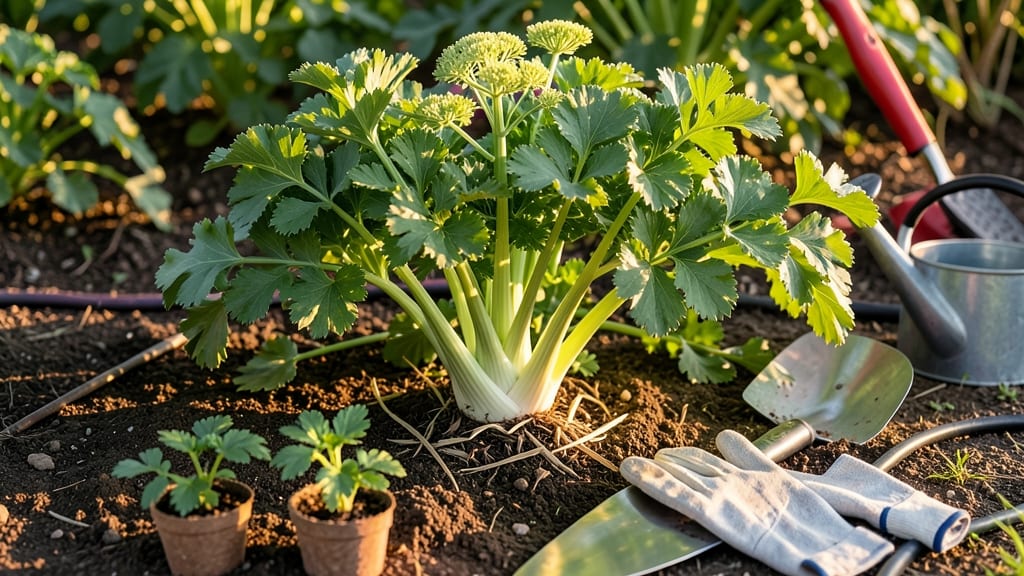
Planting celery in Florida at the wrong time means bitter, tough stalks instead of the crisp, sweet harvest you crave. Since Florida’s warm climate can trigger premature bolting—where celery shoots up like wild grass—timing is the key to avoiding that frustrating "wild celery" stage.
If you’ve ever wondered why your 🥬 celery plants bolt before reaching harvest size, the answer lies in Florida’s unique growing seasons. Unlike northern states, Florida’s frost-free zones (9a-11) let you plant year-round, but cooler months—fall through spring—are when celery truly thrives without stress.
In this guide, I’ll break down the exact planting windows for Florida’s North, Central, and South regions, plus pro tips for extending your harvest into summer. Whether you’re starting seeds indoors or sowing directly, you’ll learn how to beat the heat and keep your celery sweet and tender.
Ready to grow celery that’s actually worth harvesting? Let’s dive into the climate-smart timing that’ll change your garden game.
Optimal Florida planting windows for celery success
Florida’s unique climate—marked by warm winters and humid summers—creates ideal conditions for growing celery (Apium graveolens), but timing is critical.
Unlike northern states, Florida’s USDA zones 9a-11 allow year-round planting, though fall and winter offer the best balance of cool temperatures and long daylight to prevent bolting (premature flowering).
Celery thrives when daytime highs stay between 60°F and 75°F, making September through March the prime window. Outside these months, Florida’s heat can trigger bitter flavors and rapid bolting, turning your crisp stalks into wild, fibrous celery before harvest.
Let’s break down the best planting strategies for your region—whether you’re in North Florida’s cooler hills or South Florida’s tropical coast.
🌱
| Planting Window | Ideal Months | Temperature Range | Regional Notes |
|---|---|---|---|
| Early Fall | August–September | 70°F–85°F (day) / 65°F–75°F (night) | North Florida: Start seeds indoors in late July for transplanting. South Florida: Direct sow in shade cloth to avoid bolting. |
| Fall/Winter | October–March | 60°F–75°F (day) / 50°F–65°F (night) | Best window for crisp, sweet stalks. Coastal areas may need light frost protection in January. |
| Spring (Risky) | April–May | 75°F–90°F (day) / 60°F–70°F (night) | Possible with shade cloth (30–50%) and daily watering. High bolting risk after March 15. |
| Summer (Not Recommended) | June–July | 85°F–100°F (day) / 75°F–85°F (night) | Avoid unless using hydroponics or indoor growing. Open-field celery will bolt within 3 weeks. |
For North Florida gardeners (zones 9a–9b), aim to plant 6–8 weeks before the first cool snap, typically around mid-September. This gives seedlings time to establish roots before temperatures dip below 60°F at night, which can stunt growth.
In Central Florida (zone 9b), you can push planting slightly later—early October—while South Florida (zones 10a–11) can direct sow as late as November with minimal risk of frost.
One of my favorite tricks for extending the season is using succession planting. Sow a new batch every 2–3 weeks from September through January to ensure a steady supply of fresh celery.
For example, plant one batch in early September, another in mid-October, and a final one in December—this staggering method guarantees harvests from November through March.
🌿
Florida’s sandy soils drain too quickly for celery’s liking, so amend your beds with 2–3 inches of compost or well-rotted manure before planting. Aim for a pH of 6.0–7.0—Florida’s native soils often skew acidic, which can lead to nutrient deficiencies like yellowing leaves or stunted stalks.
Test your soil and adjust with pelletized lime if needed.
When planting, space seeds ¼ inch apart in rows 12–18 inches apart. Thin seedlings to 6 inches apart once they reach 2 inches tall—this prevents overcrowding, which competes for nutrients and increases disease risk.
Mulch with straw or shredded leaves to retain moisture and suppress weeds, a must in Florida’s humid climate.
☀️
How to extend celery growing season in Florida’s heat
Florida’s year-round warmth means celery can grow almost any time—but summer’s brutal heat forces bolting and bitter stalks. The secret to success? Strategic timing and heat management. I’ve grown celery in Central Florida’s 9b zone for years, and these tricks keep my harvests crisp through spring.
Start with succession planting every 2-3 weeks from August through October. This staggered approach ensures a steady supply before temperatures climb past 85°F. For late-season crops, I plant shade-tolerant varieties like ‘Tall Utah’ or ‘Golden Self-Blanching’—they handle heat better than standard types.
- Use shade cloth (30-50%) during peak sun hours (11 AM–3 PM) to lower soil temps by 10-15°F.
- Mulch heavily with 2-3 inches of straw to retain moisture and block heat from reaching roots.
- Water deeply at dawn (1-2 inches) to cool foliage and prevent stress.
- Avoid fertilizing in June/July—nitrogen spikes accelerate bolting in heat.
- Harvest early (60-75 days) before stalks toughen—cut-and-come-again works best.
For coastal Florida growers, humidity adds another challenge. I recommend raised beds with drip irrigation to prevent fungal diseases like early blight. Add 10% compost to sandy soils to improve water retention—this cuts my irrigation needs by 40%.
If you’re pushing celery into April/May, prioritize morning sun exposure and afternoon shade. A north-facing trellis with bamboo stakes works wonders—it filters light while keeping stalks upright. I’ve even grown celery under patio umbrellas with 60% shade fabric for late-season harvests.
Pro tip: Test soil moisture daily in summer. Stick your finger 1 inch deep—if it’s dry, water immediately. Celery wilts quickly in heat, but overwatering causes root rot. Aim for consistently damp (not soggy) soil.
With these adjustments, you can harvest crisp celery until May—just in time for summer salads! The key is balancing heat protection with active growth. Start small, monitor closely, and adjust as Florida’s weather shifts.