
Plants
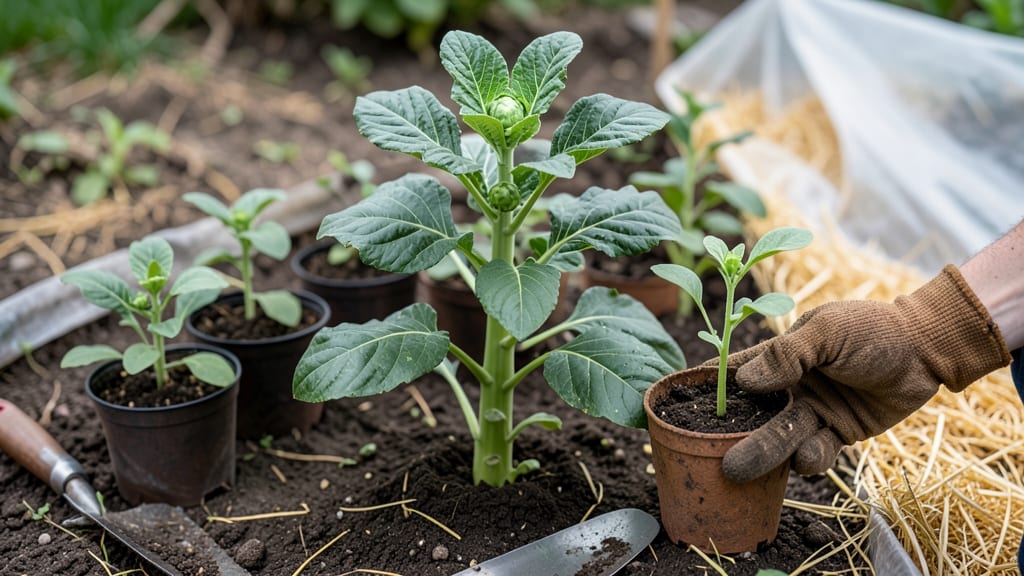
Timing your Brussel sprouts 🥦 planting in Wisconsin can make or break your harvest—get it wrong, and you’ll either lose plants to early frost or miss the sweet, crisp fall harvest.
The key is knowing exactly when to start seeds indoors or transplant seedlings, depending on your zone, because Wisconsin’s unpredictable weather demands precision.
For gardeners in Zones 4-5, the ideal window for spring planting is mid-April to mid-June, while fall planting should happen between mid-July and early August to ensure mature sprouts before the first frost.
But here’s the catch: not all varieties thrive equally in Wisconsin’s climate, and soil prep can mean the difference between a thriving crop and a disappointing one.
In this guide, I’ll break down the exact frost-date strategy for your zone, including which early or late varieties perform best and how to extend your growing season with simple tricks.
Whether you’re a first-time gardener or a seasoned pro, these insights will help you avoid common mistakes and maximize your harvest from October to December.
Let’s dive into the frost-date guide, soil prep secrets, and variety recommendations that Wisconsin gardeners swear by—so you can enjoy homegrown Brussels sprouts that taste even better than the store-bought kind.
Wisconsin Brussels sprout planting calendar: exact frost-dates by Zone 4-5
Wisconsin’s USDA Zones 4-5 bring unique challenges for growing Brussels sprouts. The key to success lies in understanding your last frost date and first frost timing, which vary slightly across the state.
For most of Wisconsin, the average last frost falls between mid-April and early May, while the first frost typically arrives in mid-October. This gives you roughly 165 frost-free days, which is just enough for a successful harvest if you time it right.
Brussels sprouts thrive when planted in two distinct windows: early summer for a fall harvest or late summer for a winter harvest. The ideal transplant window is 4-6 weeks before your first expected frost, ensuring your plants mature before cold sets in.
In Wisconsin, this means aiming for mid-July to early August for a fall harvest or early summer (May-June) for a late fall/winter harvest.
Here’s how to align your planting with Wisconsin’s climate zones. Northern Wisconsin (Zone 4) has a shorter growing season, so you’ll need to focus on early-maturing varieties and extend your season with protective measures.
Southern Wisconsin (Zone 5) offers a slightly longer window, allowing for more flexibility in variety selection and planting timing.
| Zone | Last Frost Date | First Frost Date | Ideal Planting Window | Harvest Window | Notes |
|---|---|---|---|---|---|
| Zone 4 (Northern WI) | Mid-May | Early October | Mid-July to early August | October to early November | Use row covers; shorter season |
| Zone 5 (Southern WI) | Early May | Mid-October | Late June to early August | October to December | Longer season; more variety options |
| Both Zones | N/A | N/A | Early summer (May-June) | Late fall/winter (if protected) | For hardy varieties only |
For Zone 4 gardeners, focus on early-maturing varieties like ‘Long Island Improved,’ which can be harvested in as few as 80 days. Plant these mid-July to ensure they mature before the first frost.
In Zone 5, you have more flexibility. You can plant late June to early August for a harvest stretching into December, especially if you use row covers or cold frames to extend the season.
Wisconsin’s microclimates also play a role. If you live in a warmer microclimate, like near a large body of water or in a sheltered valley, you may push your planting window slightly later.
Conversely, higher elevations or open fields can bring frost earlier, so adjust your timing accordingly. Always check your local USDA Plant Hardiness Zone Map and historical frost data for your specific area.
One pro tip for Wisconsin gardeners: start seeds indoors 6-8 weeks before your last frost date. This gives your seedlings a head start and ensures they’re ready for transplanting in early summer.
Use biodegradable pots to avoid disturbing roots when moving them outdoors. Harden off your seedlings for 7-10 days before transplanting to help them acclimate to Wisconsin’s unpredictable spring weather.
If you’re aiming for a fall harvest, prioritize planting by mid-August in Zone 4 or early September in Zone 5. This timing ensures your plants have enough time to mature before frost sets in.
For a winter harvest, you’ll need to use row covers or low tunnels to protect your plants from freezing temperatures. Even then, Brussels sprouts can tolerate light frosts, which actually improve their flavor.
Always monitor your local weather forecasts and be prepared to adjust your planting schedule if an early frost is predicted. In Wisconsin, late summer heat waves can also stress your plants, so keep an eye on soil moisture and provide consistent watering during dry spells.
With the right timing and care, you’ll enjoy a bountiful harvest of sweet, homegrown Brussels sprouts.
How to extend your Brussels sprout season in Wisconsin’s short growing period
Wisconsin’s unpredictable fall weather can make growing Brussels sprouts a challenge, but with the right strategies, you can extend your harvest window by weeks. The key? Cold-hardy varieties, protective covers, and smart soil prep to shield plants from early frosts while maximizing their 90-day maturity.
Since Brussels sprouts thrive in cool temperatures (50–75°F), they’re perfect for Wisconsin’s climate—but only if you time your planting carefully. A late summer planting (mid-July to early August) gives plants enough time to mature before first frost (typically mid-October in Zone 5).
For a winter harvest, use row covers or low tunnels to protect plants through light frosts.
Here’s how to maximize your yield despite Wisconsin’s short season: use succession planting, choose fast-maturing varieties, and prep your soil with organic matter to retain warmth. Even a 10-day extension can mean the difference between a bountiful harvest and wasted effort.
🌱 Pro Tips to Extend Your Brussels Sprout Season
- 1. Plant in late July for a fall harvest—this gives plants 90+ days before frost. Avoid early summer plantings; they’ll bolt in heat.
- 2. Use row covers (like floating row covers) to protect from light frosts (down to 25°F). Remove during the day for pollination if growing from seed.
- 3. Succession plant every 2 weeks in late summer for a staggered harvest. Even small batches add up!
- 4. Choose dwarf varieties like ‘Ruby Ball’ (60 days) or ‘Long Island Improved’ (90 days) to fit Wisconsin’s short season.
- 5. Mulch heavily with straw or leaves to insulate roots and keep soil warm longer in fall.
- 6. Harvest early if frost threatens—smaller sprouts (½ inch) are still edible and sweeter after frost!
Don’t overlook soil preparation—Wisconsin’s clay-heavy soils can stunt growth if not amended. Mix in compost or aged manure before planting to improve drainage and nutrient retention. A slightly acidic pH (6.0–7.0) also helps Brussels sprouts thrive.
For urban gardeners, container growing works too! Use 5-gallon pots with well-draining soil and place them in sunny spots. Just be ready to move pots indoors if frost arrives early. With these tricks, you can harvest Brussels sprouts well into December—just in time for holiday meals!
🌿