
Plants
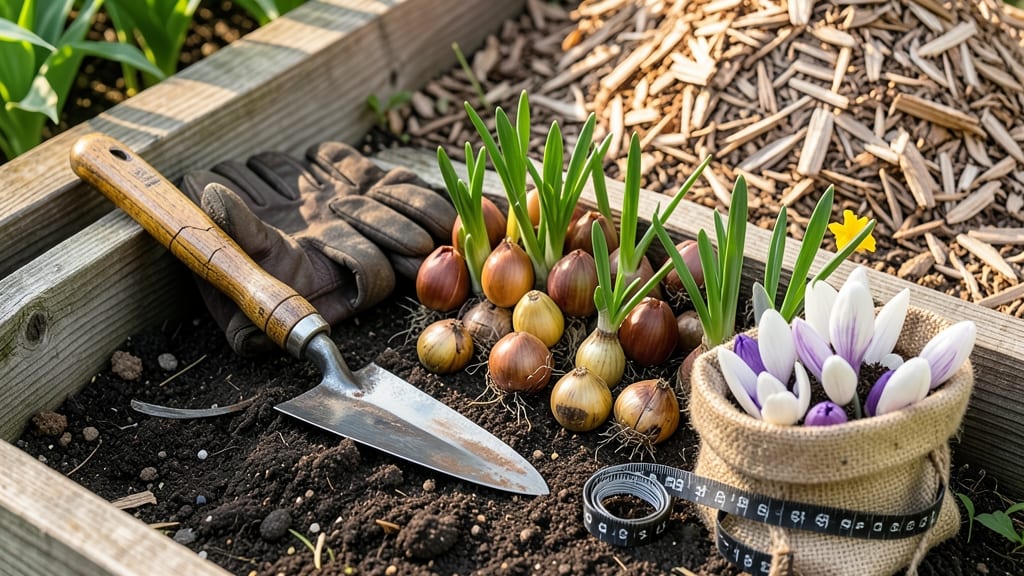
Timing your bulbs (general) planting in Denver isn’t just about following a calendar—it’s about outsmarting the city’s unpredictable frost and altitude shifts. One wrong move, and your 🌱 could freeze before blooming or rot in soggy spring soil.
But get it right, and you’ll reward yourself with bursts of color that rival Denver’s famous sunsets—without the tourist crowds.
The key to success lies in Denver’s USDA Zone 6b climate, where fall-planted bulbs like tulips and daffodils need to root before the ground freezes (usually by mid-October), while spring varieties like crocuses can handle early planting as soon as the soil thaws.
I’ll break down the exact windows—so you don’t end up with half-buried bulbs or wilted dreams by June.
Whether you’re a first-time gardener or a seasoned Denver green thumb, mastering these planting strategies saves you from common mistakes like overwatering in clay soil or planting too deep.
You’ll also discover how to adjust for early blooms (hello, January crocuses!) or delay planting for summer varieties like dahlias—all while keeping your bulbs thriving through Denver’s dramatic temperature swings.
Let’s dive into the best months to plant, step-by-step prep tips, and how local nurseries can help you pick the perfect bulbs for your yard. Your spring garden will thank you—for years to come.
Denver’s ideal bulb planting schedule by hardiness Zone (7a & 7b)
Denver’s USDA Zone 6b climate creates a unique window for planting bulbs, where timing is everything. Most spring-blooming bulbs like tulips and daffodils need to be planted in fall (September–November) to establish roots before winter.
Meanwhile, summer-flowering bulbs like dahlias go in late spring (May–June) after the last frost. Understanding these windows ensures your bulbs thrive despite Denver’s 100+ days of frost-free growing season.
Fall planting is critical because bulbs need 6–8 weeks to root before the ground freezes—typically by mid-October in Denver. Spring planting is riskier due to late frosts, but some bulbs (like crocuses) can handle it.
The key is matching your bulb type to Denver’s microclimates, from urban heat islands to high-altitude gardens.
Here’s a quick reference for Denver’s bulb planting schedule, tailored to your hardiness zone and bloom goals:
| Bulb Type | Best Planting Time | Depth | Sun Needs | Bloom Time |
|---|---|---|---|---|
| Tulips | September–October | 6–8 inches | Full sun | April–May |
| Daffodils | October–November | 8–10 inches | Partial shade | March–April |
| Crocuses | September–October | 3–4 inches | Full sun | January–February |
| Hyacinths | October–November | 6–8 inches | Full sun | April–May |
| Dahlias | May–June | 6–8 inches | Full sun | July–Frost |
For Denver’s Zone 7a (higher elevations), plant bulbs 2–3 weeks earlier than the schedule above to account for earlier frosts. In Zone 7b (lower elevations), you can extend planting by 1–2 weeks later. Always check the last frost date (typically April 15) to avoid spring surprises.
Pro tip: Use Denver’s average first frost date (October 15) as your deadline for fall planting. If you miss it, wait until March–April for spring planting, but expect smaller blooms. For container gardens, plant bulbs 2–4 weeks later than in-ground to avoid frost damage.
Denver’s clay-heavy soil can delay planting if it stays soggy. Test your soil’s moisture—if it’s still workable in late November, you’re safe to plant. Amend the soil with compost to improve drainage, especially for bulbs like tulips that hate soggy roots.
Plan your bulb garden around bloom sequences to extend your season. Start with crocuses (January), followed by daffodils (March), then tulips (April–May), and finish with dahlias (summer). This creates a colorful cascade that keeps your garden vibrant from winter to frost.
Local nurseries like Colorado Springs Nursery or Denver Botanic Gardens offer bulb varieties tested for Denver’s climate. Ask for hardy hybrids like ‘Ice Follies’ tulips or ‘Tête-à-Tête’ daffodils, which thrive in our altitude. These picks bloom reliably even in Denver’s unpredictable springs.
Remember: The sooner you plant in fall, the stronger your bulbs will be. But don’t rush—well-established roots beat early planting every time. Mark your calendar for September 15 as your ideal start date, and you’ll be set for a showstopping spring display
How to adjust planting times for early vs. late blooms in Denver
Denver’s variable frost dates and altitude-driven microclimates let you fine-tune bulb planting for early spring color or summer-long blooms. The key is understanding how cold stratification and daylight exposure affect different bulb types.
For early bloomers like crocuses or snowdrops, plant them in late September—this gives them time to establish roots before winter. Their hardiness to cold means they’ll push through snow for January-February blooms, often the first flowers of the year.
To force late-season blooms, like dahlias or gladiolas, wait until late May or June after the last frost. These tender bulbs thrive in Denver’s longer daylight hours of summer, rewarding you with July-August color when many other plants are dormant.
Here’s how to time it right for three bloom strategies in Denver’s climate:
Plant crocuses, snowdrops, or early tulips in September-October for January-February blooms. These bulbs need 6-8 weeks of cold to trigger flowering.
For daffodils, hyacinths, and standard tulips, aim for October-November planting. They’ll bloom April-May when Denver’s average temps rise above 40°F.
Wait until May-June for dahlias, canna lilies, or elephant ears. These need warm soil (60°F+) to sprout and thrive in Denver’s hotter summer months.
Use mulch in early spring to protect emerging shoots from late frosts (common in Denver until mid-April).
Denver’s elevation (5,280 ft) also affects timing—higher areas (like Golden or Boulder) may need 2-3 weeks earlier planting than lower elevations (like Englewood). Check your local frost dates using the Colorado State University Extension or Denver Botanic Gardens resources.
For container gardening, plant fall bulbs in late September and move pots to a garage or unheated shed in winter. Bring them back outdoors in March to force blooms 4-6 weeks earlier than in-ground plantings.
Experiment with layered planting: mix early crocuses with late tulips for nonstop color from February to June. Just remember—soil temps, not calendar dates, dictate the best time to plant in Denver’s unpredictable climate.