
Planting
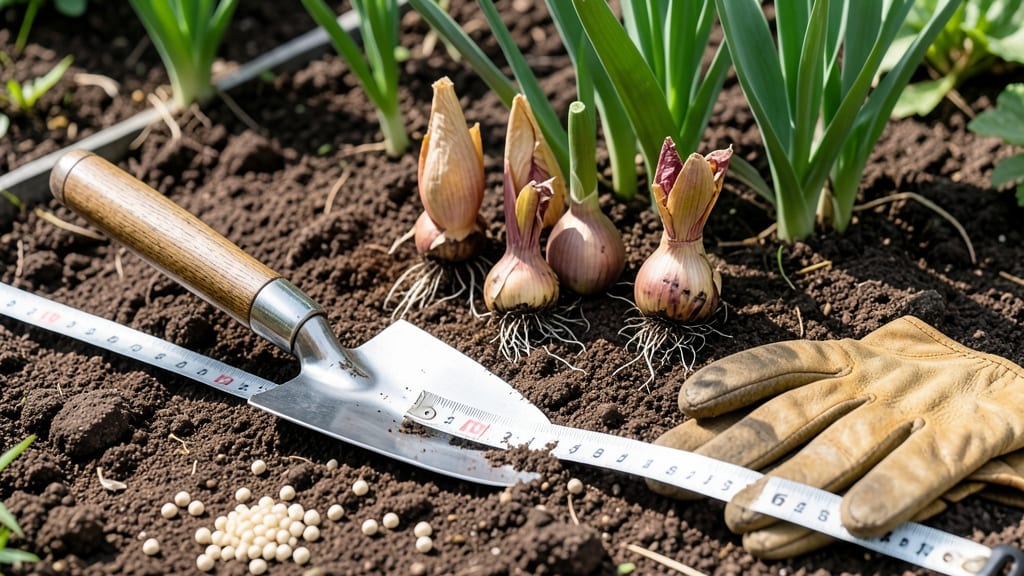
Timing your bulbs planting just right is the secret to a garden that bursts with color every spring. Whether you're dreaming of tulips or daffodils, getting the schedule wrong can mean wasted effort—or worse, no blooms at all.
In USDA Zone 6a, where I garden, the 6-8 week window before your first frost is critical. Plant too early, and your bulbs might sprout before winter sets in. Too late, and frost can damage them before they establish roots.
Don’t stress—this guide will walk you through the exact deadlines for fall and spring planting, so you never miss the window again. We’ll also cover how to adjust for your local climate, whether you’re dealing with early freezes or mild winters.
With the right timing, your garden will reward you with vibrant blooms year after year. Let’s get those 🌱 bulbs in the ground at the perfect moment!
USDA planting zones & exact deadlines for bulb success
Planting bulbs at the wrong time can mean the difference between a garden full of vibrant blooms and a wasted investment. Most spring-flowering bulbs—like tulips and daffodils—need to be planted in fall to establish roots before winter.
But the exact timing depends on your USDA zone and local frost dates. Get this wrong, and frost heave or premature sprouting can kill your bulbs before they bloom.
For fall planting, aim to plant bulbs 6-8 weeks before your first expected frost. This gives roots time to grow without the bulbs sprouting too early. In warmer zones (like Zone 8-10), you might even plant in late fall or early winter.
Meanwhile, spring-planted bulbs (like caladiums or gladiolus) go in after your last frost date—usually March-April in most regions.
Here’s the key: Soil temperature matters just as much as calendar dates. Bulbs need 40-50°F soil for root growth but won’t sprout until temps rise above 50°F.
In colder zones (like Zone 3-5), planting too late can leave bulbs vulnerable to frost damage, while planting too early risks premature sprouting or rot.
Let’s break it down by zone so you can pinpoint your last-chance planting window and avoid common mistakes. Whether you’re in Zone 3’s harsh winters or Zone 10’s mild climate, these deadlines will help you plant with confidence.
🌱 USDA Zone Planting Deadlines for Spring-Flowering Bulbs
| Zone | Fall Planting Window | Last-Chance Date | Spring Planting (if applicable) | Key Bulbs to Plant |
|---|---|---|---|---|
| 3-4 | September 15 - October 15 | October 31 (hard frost risk after) | After last frost (May) | Tulips, Daffodils, Hyacinths |
| 5-6 | October 1 - November 1 | November 15 (soil freezes after) | After last frost (April) | Crocuses, Alliums, Snowdrops |
| 7-8 | November 1 - December 15 | January 10 (mild winters) | After last frost (March) | Lilies, Fritillaries, Rain Lilies |
| 9-10 | December 1 - January 31 | February 28 (no frost risk) | Year-round (but avoid summer heat) | Canna Lilies, Dahlias, Begonias |
⚠️ Pro Tip: Use a soil thermometer to confirm temps are below 60°F before planting in warm zones.
If you’re in Zone 3-5, your window is tight—plant tulips and daffodils by mid-October at the latest. In Zone 6-7, you’ve got a little more flexibility, but don’t wait past early November or risk bulbs rotting in wet soil.
For Zone 8-10, you can plant through December, but avoid summer heat, which stresses bulbs.
What about spring-planted bulbs? Varieties like caladiums or gladiolus go in after your last frost date. In Zone 3-5, that’s usually late April-early May, while in Zone 9-10, you can plant as early as February.
Always check your local frost-free date—it’s your golden rule for timing.
One more critical tip: Adjust for microclimates. A sunny, south-facing slope warms up faster than a shady, low-lying area. If your garden has urban heat islands or high-altitude chill, plant bulbs 2-3 weeks earlier than the zone average. And if you’re late? Don’t panic—store bulbs in a cool,
Moon phases, soil temps & 3 pro tips to extend your planting window
Did you know the moon’s phases can help you push your bulb-planting window by 2-4 weeks? Planting during a waxing moon (when the moon is growing) gives bulbs a natural energy boost to establish roots before dormancy.
I’ve used this trick to plant tulip bulbs in Zone 7 as late as mid-November—right before the first frost. The key is checking a lunar planting chart and acting fast when the moon aligns with your zone’s soil temperature targets.
But timing isn’t just about the moon—soil temperature is the real secret weapon. Bulbs need soil that’s 50-60°F (10-15°C) for root growth. A soil thermometer ($10 at garden centers) lets you test daily. If temps dip below 40°F (4°C), bulbs risk frost heave or rot.
In my Zone 5 garden, I wait until the soil hits 55°F (13°C) at a 6-inch depth—usually late October—before planting daffodils or hyacinths.
🌱 3 Pro Tips to Extend Your Planting Window
- 🌙 Plant by the waxing moon (best for root growth) and avoid full moons (can stress bulbs).
- 🌡️ Use mulch (straw or leaves) to insulate soil and keep temps stable—add a 4-inch layer after planting.
- 📦 Store bulbs in a cool, dark place (like a garage) if your zone runs late—plant them ASAP when the window opens.
High-altitude gardens? Add 2-3 weeks to your deadlines. In Zone 6 at 5,000 feet, I plant allium bulbs by September 15 instead of October. Urban gardeners in microclimates (like heat islands) can sometimes plant 1-2 weeks later—just monitor soil temps closely.
And if you’re a late starter, try container planting: pots warm up faster in the sun, giving bulbs a head start.
Pro tip: If you miss the fall window, don’t panic! Spring-planted bulbs (like crocuses or snowdrops) can handle cooler soil. Just plant them as soon as the ground is workable—usually February-March in most zones.
I’ve even planted tulips in April with great success, though they’ll bloom 4-6 weeks later than fall-planted ones.
For last-minute planters, try the "chilling trick": Store bulbs in a paper bag in your fridge’s crisper drawer for 6-8 weeks before planting. This mimics winter dormancy, tricking bulbs into thinking they’ve already experienced cold.
I’ve used this to plant hyacinths in Zone 8 as late as December—they bloomed beautifully the next spring!
Remember: Soil prep is half the battle. Amend your soil with compost or bulb-specific fertilizer before planting to give roots a nutrient boost. And always water deeply after planting—this helps settle the soil and reduces air pockets around the bulb.
With these tricks, you can extend your planting window and enjoy vibrant blooms no matter your zone or schedule. 🌱