
Plants
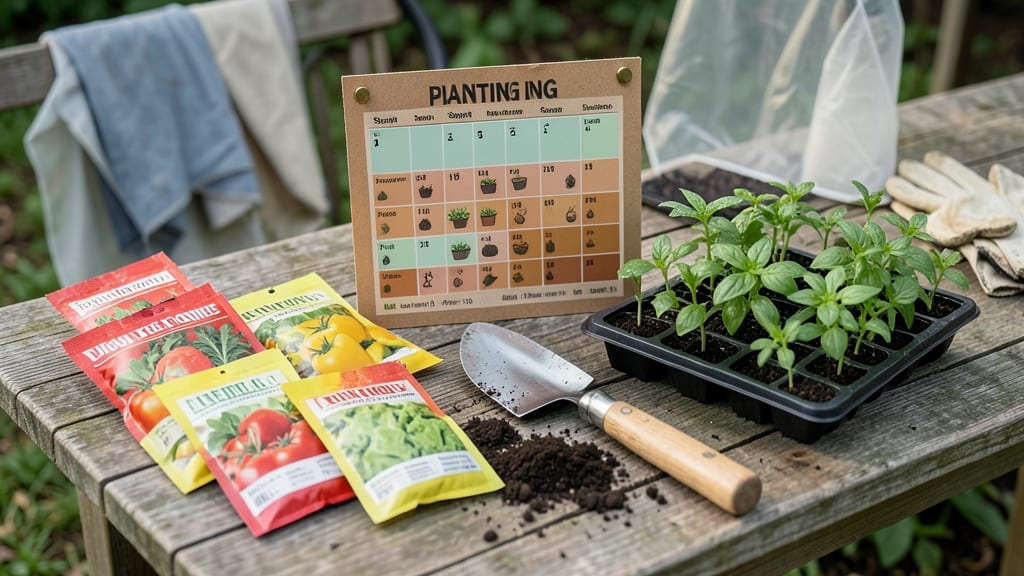
When to plant in Ohio 2023 can make all the difference between a thriving harvest and a disappointing garden—especially for warm-season crops like tomatoes and peppers. The wrong week could leave your plants vulnerable to frost, while the perfect window unlocks their full potential.
Ohio’s diverse microclimates—from Lake Erie’s coastal breezes to the Appalachian foothills—mean your planting deadlines might vary by weeks depending on where you live. Whether you’re in Cleveland, Columbus, or Cincinnati, knowing the exact 2023 frost dates and soil temperature thresholds is the key to planting with confidence.
I’ve dug into the data to give you region-specific deadlines for zero-frost-risk crops, so you can avoid those late-night panics when a surprise frost rolls in. No more guessing—just science-backed timing to help your garden flourish.
Let’s break down the exact dates you need to plant everything from tomatoes to beans, plus how to adjust if Mother Nature throws you a curveball. Your garden’s success starts here.
Ohio’s 2023 planting zones & last frost dates by region
Ohio’s gardening calendar isn’t one-size-fits-all—its 5 distinct planting zones create dramatic differences in frost timing. Whether you’re in Lake Erie’s coastal zone or the Appalachian foothills, knowing your last frost date is critical for timing heat-loving crops like tomatoes and peppers.
For 2023, I’ll break down the average last frost dates by region, plus how to adjust for microclimates like urban heat islands or windy plains.
First, let’s clarify: Ohio spans USDA Zones 5b-6a, but frost dates vary wildly. The Northwest Zone (Toledo area) often sees its last frost by April 20, while the Appalachian Zone (Athens, Cambridge) can linger until May 5.
These differences mean your tomato seedlings might be safe in Toledo by late April but still at risk in Athens. Always verify with your local NOAA weather station for real-time adjustments.
Here’s the critical comparison—last frost dates, first frost dates, and growing season length for Ohio’s 5 zones:
| Zone | Last Frost Date | First Frost Date | Growing Season | Heat Units (Base 50°F) |
|---|---|---|---|---|
| Lake Erie (Cleveland, Sandusky) | April 15 | October 20 | 188 days | 2,800-3,000 |
| Northwest (Toledo, Lima) | April 20 | October 15 | 178 days | 2,600-2,800 |
| Central (Columbus, Dayton) | April 25 | October 10 | 168 days | 2,400-2,600 |
| Southeast (Cincinnati, Lexington) | April 30 | October 5 | 158 days | 2,200-2,400 |
| Appalachian (Athens, Cambridge) | May 5 | September 30 | 147 days | 2,000-2,200 |
Notice how the Appalachian Zone has a 40-day shorter growing season than Lake Erie? This matters when planning warm-season crops like squash or corn. For example, a 90-day tomato variety planted on May 1 in Athens might not mature before frost, while the same variety in Toledo could thrive.
Always check your heat unit totals—Ohio’s Northwest Zone accumulates 400+ more heat units than the Appalachians, giving it a longer window for second crops.
Urban gardeners in Cincinnati or Columbus face another challenge: urban heat islands can push last frost dates 5-7 days earlier than rural areas. If you’re in a city, monitor soil temperatures (aim for 50°F+ for direct sowing) and consider planting 1-2 weeks ahead of rural guidelines.
For rural areas, wind exposure—like Toledo’s Lake Erie winds—can delay planting by 7-10 days due to frost pockets.
Pro tip: Use the 5-10-15 rule for microclimate adjustments. If your garden is 5 feet higher than the surrounding area, add 5 days to frost dates. For 10 feet higher, add 10 days.
Conversely, low-lying areas (like valleys) may need 15 extra days of caution. This rule helps account for Ohio’s topography-driven microclimates without overcomplicating your planning.
For warm-season crops, pay attention to soil temperature thresholds. Most seeds need 50°F+ soil to
Microclimate-specific planting deadlines for zero-frost risk crops
Ohio’s warm-season crops like tomatoes, peppers, and cucumbers thrive when planted after the last frost—but the timing varies wildly across the state.
In Toledo’s windy plains, for example, you’ll need to wait until May 15-20, while Cincinnati’s urban heat islands can safely plant by April 25. Let’s break down the exact windows for Ohio’s 5 key regions.
Soil temperature is your true planting guide, not just the calendar. Most warm-season crops need soil at 50°F+ for direct sowing. Use a soil thermometer to confirm—especially in Appalachian valleys, where cool air lingers longer. Below, I’ve mapped out region-specific deadlines for your zero-frost risk crops.
| Region | Last Frost (Avg.) | Tomatoes | Peppers | Cucumbers |
|---|---|---|---|---|
| Lake Erie (Toledo) | May 10 | May 15-20 | May 25-30 | May 10-15 |
| Northwest (Cleveland) | May 5 | May 1-5 | May 15-20 | April 25-May 1 |
| Central (Columbus) | April 25 | April 15-20 | May 1-5 | April 10-15 |
| Southeast (Cincinnati) | April 10 | April 1-5 | April 15-20 | March 25-April 1 |
| Appalachian (Athens) | May 1 | May 10-15 | May 20-25 | May 5-10 |
For squash and melons, add 2-3 weeks to these deadlines—they’re even more sensitive to cold snaps. If you’re in a high-risk zone like Toledo, consider starting peppers indoors by March 15 to give them a head start.
Urban gardeners in Cincinnati can push the envelope with early cucumbers as soon as soil warms.
Pro tip: Black plastic mulch can warm soil by 5-10°F, letting you plant 1-2 weeks earlier in cooler regions. Just lay it down 2 weeks before your target date. Pair this with row covers for an extra 2-3°F boost if late frosts threaten.
Don’t forget fall planting for heat-loving crops! In Southeast Ohio, you can sow tomatoes and peppers as late as July 15 for a fall harvest. Use shade cloth in August to protect seedlings from intense summer sun while keeping soil cool.
Your local NOAA station is your best friend—check their 10-day forecast before planting. A 5-day stretch of 60°F+ nights is your green light for warm-season crops, even if the calendar says “too early.” Adaptability is key in Ohio’s ever-changing climate! 🌱