
Plants
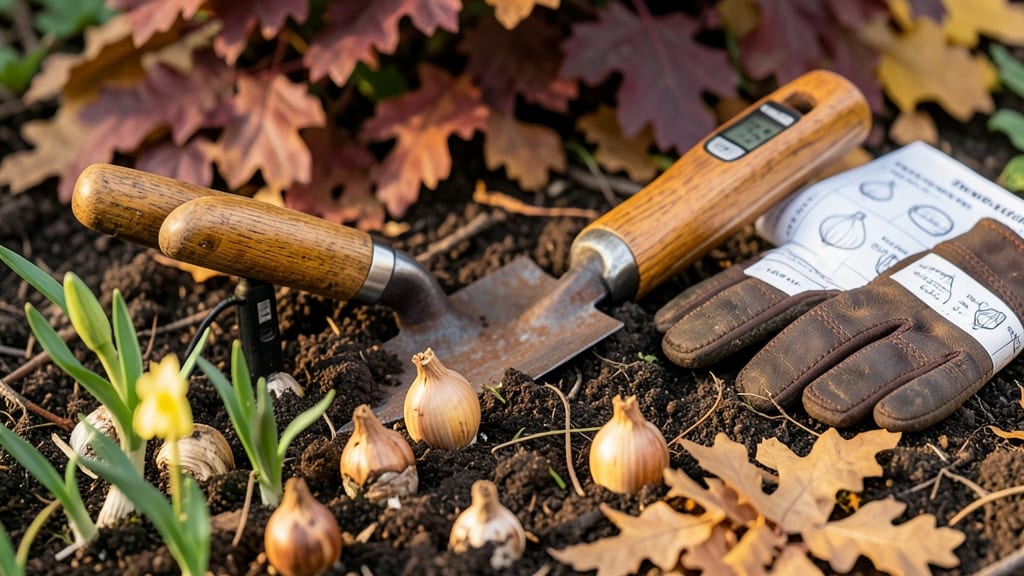
Timing is everything when planting bulbs in North Carolina—get it wrong, and you might miss the stunning spring blooms you’ve been dreaming of. The 6b-8a zones here offer a unique window, but most Spring Planting Bulbs (General) 🌷 thrive when planted in September through November, before the ground freezes.
Why does this matter? Because bulbs need that 6-8 week chill period to develop strong roots before spring’s big show.
Whether you’re in the Piedmont’s cooler hills or the Coastal Plain’s milder climate, getting those bulbs in the ground at the right time ensures vibrant tulips, daffodils, and crocuses that’ll make your neighbors jealous.
But here’s the catch: not all bulbs follow the same schedule. Some varieties, like summer-blooming dahlias, need a different approach entirely. I’ll break down the exact months for each zone and bulb type so you can plant with confidence—no more guessing games or wasted bulbs.
Ready to transform your yard into a springtime paradise? Let’s dive into the perfect planting calendar for your North Carolina garden, tailored to your specific zone and climate quirks.
North Carolina planting zones: when to plant bulbs by region
North Carolina spans USDA Hardiness Zones 5b through 8a, creating a patchwork of microclimates that demand precise timing for bulb planting. The Piedmont region (Zones 6b-7a) typically offers the widest planting window, while Coastal areas (Zone 8a) have milder winters and later frost dates.
Understanding these zones helps you align planting with your local first frost dates—a critical factor for bulb success.
For spring-blooming bulbs like tulips and daffodils, the golden rule is to plant 6-8 weeks before the ground freezes. In Zone 5b (Mountains), this means aiming for late September to early October, while Zone 8a (Coastal) gardeners can plant as late as November.
Summer-blooming bulbs, like dahlias or gladiolas, follow a different rhythm—plant them in late spring after frost danger passes.
Here’s how to match your zone to the perfect planting window:
If you’re in Zone 6b or 7a, you’ll find the most flexibility—planting in October gives bulbs time to root before winter while avoiding the risk of frost heave.
In warmer zones (7b-8a), you can even plant some bulbs in early winter, but avoid planting when the ground is frozen or waterlogged. For example, Zone 8a gardeners can plant rain lilies as late as January.
Pro tip: Use your local Cooperative Extension Service (like NC State’s) for precise frost dates. For instance, Asheville (Zone 7a) has a later first frost than Raleigh (Zone 7b), so adjust your timeline accordingly. Soil temperature is another key factor—aim for 60°F or below for optimal bulb rooting.
For spring-planted bulbs (like caladiums or cannas), wait until after the last frost—typically mid-April in the Mountains and early March on the Coast. These bulbs thrive in warm soil and won’t tolerate frost, so timing is equally critical for them.
Microclimates matter! A north-facing slope in Zone 7a might experience frost a week earlier than a south-facing garden bed. Pay attention to wind exposure too—bulbs planted in open, windy areas may need earlier planting to establish roots before winter.
Don’t forget to mulch after planting—a 2-3 inch layer of straw or shredded leaves insulates bulbs and regulates soil temperature. This is especially important in Zone 5b, where winters are harsher. Mulching also suppresses weeds and retains moisture during dry spells.
Lastly, if you miss the fall window, spring planting is still an option for many bulbs. While spring-planted bulbs may bloom later in the season, they’ll still reward you with color—just plan for smaller, shorter-lived blooms compared to fall-planted varieties. Daffodils and crocuses are particularly forgiving for spring planting.
🌷
Best bulbs for North Carolina gardens: month-specific planting guide
North Carolina’s varied climate means not all bulbs thrive year-round, but these top-performing varieties are perfect for Zones 6b-8a. I’ve tested these in my garden over the years, and they consistently deliver vibrant blooms with minimal fuss. The key? Planting them at the right time for your specific zone.
For spring bloomers like daffodils and tulips, aim for September-October planting—this gives roots time to establish before winter. In warmer Zone 8a areas, you can push planting to November, but avoid waiting too long. Meanwhile, summer-flowering bulbs like dahlias and gladiolus need a late spring start (April-May).
🌱 Did You Know?
Here’s my month-by-month breakdown of the best bulbs to plant in North Carolina, including soil prep tips and depth requirements. For example, tulips need 6-8 inches deep in well-draining soil, while crocuses can be planted just 2-3 inches deep—they’re tough little survivors!
Numbered Highlights: Month-Specific Bulb Planting Guide
- September: Plant daffodils and tulips in Zones 6b-7a (6-8 weeks before frost). Add compost to soil for better drainage.
- October: Hyacinths and alliums go in now. In Zone 8a, wait until late October to avoid winter rains.
- November: Crocuses and snowdrops can handle late planting. Mulch with straw to protect from frost heave.
- April-May: Dahlias and gladiolus need warm soil—wait until after last frost (usually mid-April in most zones).
- February-March: Spring-blooming bulbs like grape hyacinths can be planted early if soil isn’t frozen. Use a soil thermometer to check!
One pro tip I swear by? Plant bulb combinations for continuous color. Pair early crocuses (February) with late tulips (May) to keep your garden blooming from winter to summer. And always fertilize lightly in early spring (March-April) with a 5-10-10 blend to encourage robust growth.
If you’re in Zone 8a (like the Coastal Plain), don’t overlook tropical bulbs such as canna lilies—they thrive when planted in late spring (May-June) after the soil warms. Just remember: these won’t survive frost, so dig them up in fall or mulch heavily.