
Plants
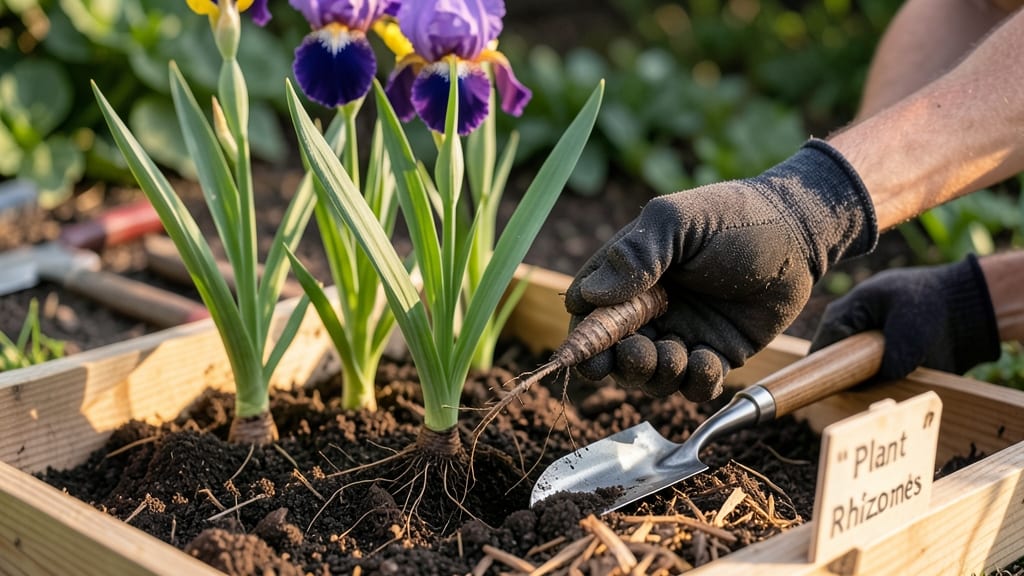
Planting iris bulbs in North Texas at the wrong time can mean the difference between a stunning spring display of 🌸 and a sad, wilted disappointment. The key to success lies in understanding your local climate—where USDA Zones 7b-8a bring both early frost risks and scorching summer heat.
Most gardeners swear by fall planting, but North Texas's unpredictable weather can complicate things. I'll show you exactly when to put those rhizomes in the ground—whether it's early September or late October—to give your irises the best shot at thriving through winter and blooming beautifully next spring.
We'll also tackle the challenges unique to our region, like heavy clay soil and sudden temperature swings. With the right timing and prep, you can avoid the three biggest mistakes that kill iris plants here—and enjoy vibrant blooms year after year.
Let's dive into the perfect planting schedule that works with North Texas's climate, not against it. Your future spring garden will thank you!
North Texas iris planting calendar: exact months by frost Zone
Iris rhizomes (often mistakenly called bulbs) thrive in North Texas when planted during the cool shoulder seasons—either early fall or late winter. The key is avoiding freezing soil in winter or scorching summer heat, both of which stress these Mediterranean natives.
For USDA Zones 7b-8b, the optimal window is September through October, but late winter planting (February) also works if you’re patient.
North Texas’s first frost typically arrives around November 15, while the last frost lingers until mid-March. Planting too early (before soil cools) risks rot, while waiting too late (after buds form) delays blooms until summer’s peak heat.
The goal? Get rhizomes in the ground 6-8 weeks before your first frost—that’s your zero-frost success sweet spot.
🌸 Pro Tip: Use your local cooperative extension service (like Texas A&M AgriLife) for your exact frost-free days. Dallas gardeners? Aim for early September. West Texas (Zone 8a)? Stretch to mid-October—just don’t wait past November 1st.
For spring blooms, prioritize fall planting—rhizomes need 6-8 weeks to establish roots before winter.
If you miss fall, February is your second-best shot, but expect blooms to push into late spring when heat arrives. Never plant in summer; the rhizomes will bake in North Texas’s 100°F+ soils.
Microclimates matter! East Texas (Zone 8a) can push planting to mid-October, while West Texas (Zone 7b) should aim for early September. Check your local frost dates—even a 2-week difference affects success.
Pro gardeners mark their calendars for September 15th as the last safe date in most of North Texas.
Iris rhizomes are not true bulbs—they’re thick, fleshy roots that rot if planted too deep or in soggy soil. In North Texas’s heavy clay, amend beds with sand or compost to improve drainage.
The top of the rhizome should peek above soil; burying it risks suffocation. Plant 12 inches apart for mature clumps that spread over time.
Watch for early spring growth (February–March) if planted in fall. This signals the rhizome is happy! If you see yellowing leaves by April, it’s time to reduce watering—iris go dormant after blooming. Never cut leaves until they brown; they feed the rhizome for next year’s flowers.
North Texas’s summer drought can stress iris if planted late. Once established (after 2 years), they’re drought-tolerant, but newly planted rhizomes need consistent moisture until roots spread. Mulch lightly (1 inch) with straw or pine needles to retain moisture without smothering.
For container growing, use fast-draining mixes (cactus soil + perlite) and plant in terracotta pots—they wick away excess moisture. Containers dry out faster in North Texas heat, so water deeply every 5-7 days in summer. Bring pots indoors if temps drop below 20°F.
Remember: Iris blooms on old growth. If you cut back leaves after flowering, you’ll sacrifice next year’s blooms. Let foliage die back naturally, then trim to 6 inches tall in late summer. Divide clumps every 3-4 years to prevent overcrowding—North Texas’s heat stresses old rhizomes.
How to prepare iris bulbs for North Texas soil and climate
North Texas’ heavy clay soil and alkaline pH can suffocate iris rhizomes if not prepped correctly. The key is creating a well-draining, slightly acidic environment that mimics their natural habitat. Start by testing your soil’s pH level—irises thrive in 6.0-7.0, while Texas soils often hit 7.5-8.5.
Amending the soil with sulfur or peat moss can lower pH naturally over time.
Before planting, loosen the soil to a depth of 12 inches to break up compaction. Mix in 2-3 inches of organic matter, like compost or aged manure, to improve drainage and fertility.
Avoid fresh manure, which can burn rhizomes. For clay-heavy areas, consider raising beds with sand or perlite to prevent waterlogging during our unpredictable North Texas rains.
Clay Soil Warning
North Texas clay can strangle iris rhizomes by trapping moisture. If your soil doesn’t drain within 1 hour after watering, amend with 50% sand or grit to improve aeration. Planting on mounds (6-8 inches high) also helps excess water run off.
Hardening your iris rhizomes is another critical step for North Texas’ temperature swings. If you’re planting in fall (September-October), expose rhizomes to outdoor conditions for 2 weeks before planting.
This helps them adjust to cooler temps and reduces shock. For spring planting (March), store rhizomes in a cool, dry place (50-60°F) until soil warms to 60°F.
Never plant iris rhizomes in wet or soggy soil—they rot quickly. Instead, wait until the ground is warm but not baking (ideal soil temp: 60-70°F). In North Texas, this usually aligns with late September or early October for fall planting.
Use a soil thermometer to check—rhizomes need time to establish roots before winter.
Mulching lightly with straw or pine needles (not thick layers) helps regulate soil temperature and retain moisture without smothering rhizomes. Apply mulch after planting, leaving the top of the rhizome exposed to sunlight.
This prevents rot while allowing the plant to photosynthesize. In Zone 7b-8a, mulch also protects against freeze-thaw cycles that can heave rhizomes out of the ground.
Finally, consider container growing if your native soil is particularly challenging. Use a mix of 50% potting soil, 30% perlite, and 20% compost in pots with drainage holes. This gives you control over moisture and pH while still allowing irises to thrive in North Texas’ intense summer heat.
Just move containers to partial shade during peak summer (June-August) to prevent stress.