
Plants
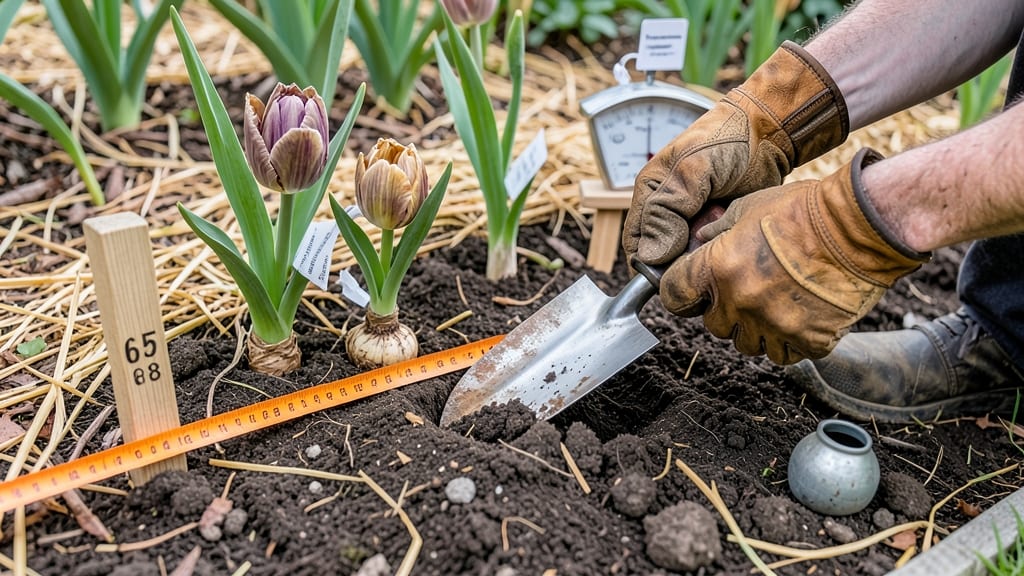
Knowing when to plant bulbs in Portland, Oregon can mean the difference between vibrant spring blooms and disappointed gardeners—especially with the city’s famously unpredictable weather.
If you’ve ever wondered why some bulbs thrive while others fail, the answer likely lies in timing them perfectly to avoid frost damage and take full advantage of Portland’s mild winters.
For gardeners in USDA Zone 8a, the ideal window opens in early fall, between September and November, when soil temperatures dip but frost hasn’t arrived yet. This gives bulbs like daffodils and tulips time to establish roots before winter sets in.
But here’s the catch: Portland’s microclimates—from the West Hills to East Portland—can shift planting windows by weeks, so knowing your specific zone is key.
What makes Portland’s bulb planting unique is the balance between avoiding early frost and preparing for wet winters. Too early, and your bulbs may rot; too late, and they won’t root deeply enough.
I’ll walk you through the exact steps to time your planting, from soil prep to mulching, so you can enjoy a garden bursting with color from April to July—without the guesswork.
Ready to transform your yard into a springtime spectacle? Let’s dive into the foolproof methods that work for Portland’s climate, including which bulbs perform best and how to protect them from the city’s infamous damp conditions. Your future blooms will thank you!
Best planting months for spring vs fall bulbs in Portland Oregon
Portland’s USDA Zone 8a climate gives us a narrow window to plant bulbs before winter sets in. For spring-flowering bulbs like daffodils and tulips, aim to plant between September and November.
This timing lets roots establish before the ground freezes, ensuring vibrant blooms next spring. Fall planting is critical—waiting too late risks frost damage to tender roots.
If you missed fall planting, don’t worry! Early spring planting (February–March) works for hardy varieties like crocuses and snowdrops. These bulbs tolerate cooler soil and can still thrive if planted before April’s last frost. Just be prepared for smaller blooms compared to fall-planted bulbs.
🌱 Portland Bulb Planting Timeline
| Bulb Type | Best Planting Months | Key Notes |
|---|---|---|
| Spring-Flowering (Daffodils, Tulips) | September–November | Plant 6–8 weeks before frost (by mid-October). |
| Fall-Planted (Hyacinths, Crocuses) | September–October | Smaller bulbs; plant shallow (4–6 inches). |
| Early Spring (Snowdrops, Grape Hyacinths) | February–March | Tolerates cooler soil; smaller blooms than fall-planted. |
Portland’s first frost date typically arrives around October 15, but it can vary yearly. To avoid frost damage, finish planting by mid-October. Use a soil thermometer to check—bulbs need 40–50°F soil for root growth. If temperatures drop unexpectedly, cover planted areas with straw mulch (3–4 inches) for insulation.
For tulips and daffodils, aim to plant by November 1 at the latest. These bulbs need time to root before winter. In contrast, hyacinths and crocuses are more forgiving and can handle late-October planting.
Their smaller size means they establish faster, making them ideal for urban gardens with limited space.
If you’re planting in containers or raised beds, extend your window slightly. Containers warm up faster in spring, allowing late-winter planting (January–February) for cold-hardy varieties. Just ensure pots have drainage holes to prevent waterlogging—a common issue in Portland’s wet winters.
Pro tip: Label your bulbs immediately after planting. Portland’s mild winters can confuse bloom times, and you’ll want to remember where each variety is planted. Use biodegradable plant markers to avoid disturbing roots later. This simple step saves headaches when spring arrives and blooms pop up unexpectedly!
For late bloomers like alliums, push planting to November. These bulbs thrive in cooler temps and often bloom later in the season, adding color when other flowers fade.
Their unique spherical shapes also make them standout garden stars. Pair them with tulips or daffodils for a layered spring display.
Remember: Soil temperature matters more than air temperature. In Portland, soil can stay workable into late November if we have a warm fall. Test it with your finger—if it’s crumbly and not icy, you’re good to plant.
If it’s rock-hard, wait for spring. Patience here ensures your bulbs won’t rot before they root.
Finally, amend your soil before planting. Portland’s clay-heavy soil benefits from compost or sand to improve drainage. Bulbs rot in soggy soil, and our rainy winters can turn gardens into mud pits.
Mix in organic matter to create a loose, airy bed—your bulbs will thank you with healthier foliage and bigger blooms next year.
Best planting months for spring vs fall bulbs in Portland Oregon
Portland’s USDA Zone 8a climate means bulbs thrive when planted at the right seasonal windows.
For spring-blooming bulbs like daffodils and tulips, aim for fall planting (September–November)—they need 6–8 weeks to root before winter. Fall-planted bulbs like hyacinths and crocuses also go in during this time, but their timing is slightly later to avoid frost.
Early spring replanting (February–March) works for late bloomers or missed fall plantings.
Key to Portland’s success is the first frost date (mid-October). Plant bulbs 4–6 weeks before this date to ensure roots establish. Daffodils and tulips are hardy and adapt well, while hyacinths need slightly warmer soil. Soil temperature should be 50–60°F for optimal root growth.
🌱 Bulb Planting Timeline for Portland
| Bulb Type | Best Planting Month | Key Notes |
|---|---|---|
| Daffodils | September–October | Cold-hardy; plant deep (6–8") |
| Tulips | October–November | Needs well-draining soil; mulch after planting |
| Hyacinths | September–October | Prefers warmer soil; plant shallow (4–6") |
| Crocuses | September–October | Early bloomer; tolerates partial shade |
| Alliums | February–March | Late bloomer; ideal for spring replanting |
⏰ Pro Tip: Use a soil thermometer to confirm 50°F+ soil before planting.
For spring replanting (February–March), focus on late-blooming bulbs like alliums or missed fall plantings. Soil should thaw and reach 45°F+ for safe planting. Avoid wet spring soil, which can rot bulbs—amend with compost to improve drainage. Container-grown bulbs can go in slightly earlier, as their roots warm faster.
Portland’s mild winters extend planting slightly later than colder climates. November plantings still work if soil isn’t frozen, but avoid December—frost can damage tender roots. Test soil moisture before planting; soggy conditions lead to bulb rot. Raised beds warm faster and are ideal for late-season plantings.
If you miss fall planting, February–March is your second chance. Hyacinths and tulips planted in spring may bloom later but still thrive. Daffodils, however, prefer fall planting for best results. Label your bulbs to track varieties and planting dates—Portland’s variable microclimates mean timing can shift by neighborhood!
Remember: Depth matters. Plant bulbs 3x their height deep (e.g., 6" deep for 2" bulbs). Pointy end up—this ensures proper growth. Mulch lightly after planting to protect from freeze-thaw cycles and retain moisture.
With the right timing, your Portland garden will burst with color from March to June!