
Plants
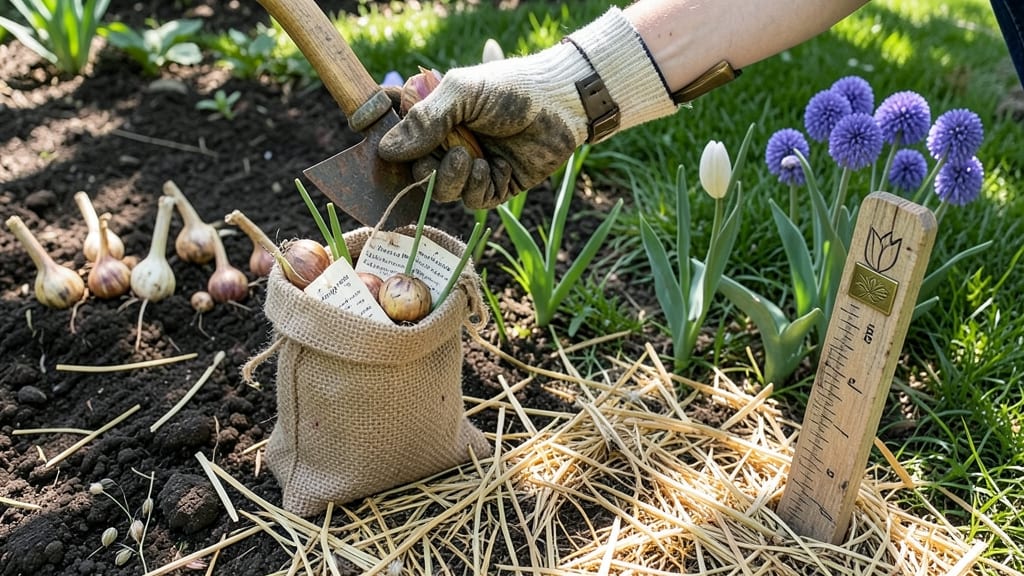
South Carolina planting zones & best months for bulbs by type
South Carolina spans USDA zones 7b through 8b, which means we enjoy a longer growing season than northern states—but that doesn’t mean bulbs can be planted anytime. The key is understanding your local frost dates and matching them to each bulb’s dormancy cycle.
For example, coastal Charleston (zone 8a) has a 30-day later frost date than Upstate Greenville (zone 7b), so timing shifts dramatically even within the state.
Most gardeners in SC focus on spring-flowering bulbs like tulips, daffodils, and hyacinths, which need a cool winter dormancy period to bloom. However, summer-flowering bulbs like dahlias and cannas have entirely different planting windows.
Let’s break it down by bulb type and zone to ensure you plant at the optimal time for zero frost damage.
🌱 Pro Tip: Use the South Carolina Master Gardener Program’s frost maps (available online) to pinpoint your exact first and last frost dates—this is your planting deadline anchor.
| Bulb Type | Best Planting Months (SC Zones 7b-8a) | Frost Risk | Bloom Time |
|---|---|---|---|
| Tulips | September–November (fall) or January (winter) | High (zone 7b); Low (zone 8a) | March–April |
| Daffodils | October–December (fall) or February (winter) | Moderate (hardier than tulips) | February–March |
| Hyacinths | September–October (fall) | High (zone 7b); Low (zone 8a) | March–April |
| Crocuses | October–November (fall) | Low (early bloomers) | January–February |
| Dahlias | March–April (after last frost) | None (summer bulb) | July–October |
| Cannas | April–May (after soil warms) | None (tropical) | June–Frost |
Notice how spring-flowering bulbs like tulips and daffodils must be planted in fall (6–8 weeks before frost) to establish roots before winter. This is critical in zone 7b, where frosts can hit as early as mid-November.
Meanwhile, summer bulbs like dahlias wait until March–April when the soil temperature consistently stays above 60°F.
For coastal SC (zones 8a-8b), you have a 2–3 week later window than Upstate areas. For example, Charleston gardeners can plant tulips safely until mid-November, while Greenville gardeners should finish by early November. Use this zone map from Clemson Extension to double-check your county’s specifics.
One common mistake I see in SC is planting tulip bulbs in spring—they’ll sprout but never bloom because they need that winter chill period. The same goes for hyacinths, which are even more sensitive to late planting. Always prioritize fall planting for spring blooms.
If you’re in zone 8a or 8b, you can also experiment with winter planting (January–February) for bulbs like daffodils, which handle our mild winters beautifully. Just be sure to mulch heavily after planting to protect them from unpredictable cold snaps.
For container gardening in urban areas like Columbia or Charleston, use well-draining pots
5 Critical factors that determine your ideal planting window
South Carolina’s microclimates can shift planting windows by weeks—especially between the coastal zone (8a) and Piedmont region (7b). The first frost date (typically mid-November in most areas) is your first clue, but soil temperature and rainfall patterns play equally critical roles.
Let’s break down the five key factors that dictate when to plant bulbs for maximum success.
First, soil temperature must drop below 60°F (15°C) for most spring-flowering bulbs to trigger dormancy. Use a soil thermometer to monitor—planting too early in warm soil can cause bulbs to sprout prematurely and die in frost.
In Charleston (Zone 8a), this usually happens by late October, while Greenville (Zone 7b) may wait until mid-November.
🌱 Numbered Highlights: Critical Planting Factors
- 1. Soil Temperature: Bulbs need 60°F (15°C) soil to trigger dormancy. Plant when temps consistently drop below this threshold.
- 2. First Frost Date: Aim to plant 6-8 weeks before frost (typically September-November in SC).
- 3. Rainfall Patterns: Avoid planting during prolonged wet periods—soil should be moist but not soggy.
- 4. Microclimates: Coastal areas (e.g., Hilton Head) can plant 2-3 weeks later than Piedmont (e.g., Spartanburg).
- 5. Bulb Type: Spring-flowering bulbs (tulips, daffodils) need fall planting, while summer bulbs (dahlias, cannas) go in spring.
Next, rainfall patterns can derail your planting schedule. South Carolina’s humid subtropical climate means heavy rains in September-October, which can lead to waterlogged soil. Wait for a dry spell or plant in raised beds to improve drainage.
If you’re in Zone 8a, like Beaufort, you might need to adjust for hurricane season—plant bulbs before late September to avoid storm delays.
Don’t overlook local microclimates. A 5-mile difference in elevation between Charleston’s coast and Upstate SC can mean a 2-week difference in frost dates. For example, Myrtle Beach (Zone 8a) rarely sees frost before December 1, while Anderson (Zone 7b) can expect frost by November 15.
Use the SC Master Gardener Program’s frost maps to pinpoint your exact window.
Finally, bulb dormancy cycles vary by type. Spring-flowering bulbs (like tulips and daffodils) need 6-8 weeks of cold to bloom, so plant them 6-8 weeks before frost. Meanwhile, summer bulbs (such as dahlias) can wait until spring when soil warms to 65°F (18°C).
Pro tip: Label your bulbs by planting date to track which varieties need adjustments next year.
By aligning these five factors with your specific SC county, you’ll avoid the #1 mistake most gardeners make: planting at the wrong time due to assumptions about the state’s climate.
Next, we’ll cover the common pitfalls to watch for—like planting frost-sensitive bulbs too late or ignoring soil prep in heavy clay.