
Plants
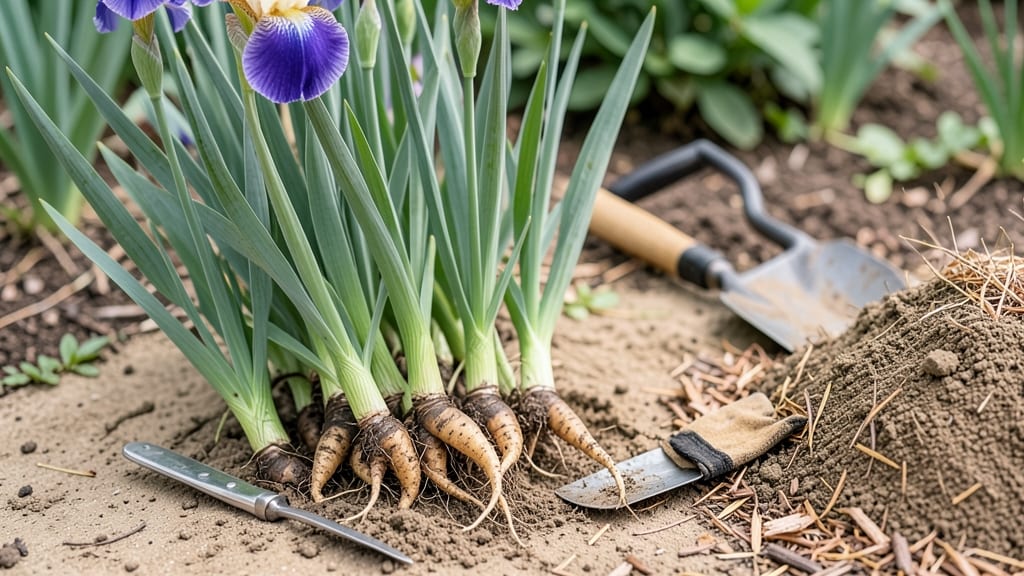
Timing your iris bulb planting just right in spring can mean the difference between vibrant blooms and wasted effort.
With their striking 🌸 iris flowers, these perennials thrive when planted at the perfect moment—typically 4-6 weeks before your last frost in Zone 6a. But getting it wrong risks frost damage or stunted growth, leaving you with fewer of those showstopping blooms.
I’ve planted irises for years, and I’ve learned the hard way that soil temperature matters just as much as the calendar. When the ground warms to 40°F-50°F, it’s prime time to get those rhizomes in the ground—before the rush of spring growth begins.
This timing ensures strong root establishment before summer heat sets in.
What you’ll discover here is how to sync your planting with nature’s rhythm, including soil prep tricks and regional adjustments.
Whether you’re in a cooler climate like Zone 5 or a milder one like Zone 8, I’ll show you exactly when to plant for zero-frost-risk blooms and how to avoid common mistakes that derail even the most eager gardeners.
Ready to transform your garden into a sea of 🌸 iris color? Let’s dive into the step-by-step checklist that’ll have your plants thriving from the moment you tuck them into the soil.
Optimal soil temperature for planting iris bulbs in spring
Planting iris rhizomes (not bulbs) in spring requires precise timing based on soil temperature, not just calendar dates. The ideal window opens when soil warms to 40°F-50°F—cold enough to avoid frost damage but warm enough to encourage root growth.
This typically falls 4-6 weeks before your last frost date, but regional climate variations mean your exact timing may differ.
Many gardeners mistakenly plant too early, risking frost heave (when soil freezes and lifts plants) or rot from soggy, cold soil. To avoid these pitfalls, test your soil’s readiness with a simple soil thermometer.
Insert it 4-6 inches deep—the depth where iris roots will establish—and wait until temperatures consistently stay within that 40°F-50°F range for at least a week.
Here’s why this range matters: Below 40°F, rhizomes struggle to sprout, and roots may rot. Above 50°F, they can dry out or attract pests before establishing.
In Zone 5-7, this usually means planting in late March to early April, while Zone 8-10 gardeners can plant as early as February.
Pro tip: If your soil is still too cold, delay planting and focus on soil prep. Work in compost or aged manure to improve drainage and warmth retention. Avoid fresh manure, which can burn rhizomes and attract pests.
| Soil Temp Range | Planting Window | Risk if Too Early | Fix It With |
|---|---|---|---|
| Below 40°F | Avoid planting | Root rot, frost heave | Delay, mulch heavily |
| 40°F–50°F | Safe planting zone | Minimal risk | Proceed with care |
| Above 50°F | Plant ASAP | Drying out, pest attraction | Water deeply, mulch |
🌱 Iris Soil Temp
Planting iris bulbs—actually rhizomes—too early in spring risks frost damage, but waiting too long delays blooms. The ideal soil temperature for planting is between 40°F and 50°F. This range ensures roots establish without stress from cold snaps or heatwaves. In colder USDA Zones 3-5, aim for late April to early May when soil warms consistently. Warmer zones like Zones 7-9 can plant as early as March, but always check soil temperature, not air temperature. Use a soil thermometer to test depth (2-3 inches down). If the ground feels cold or damp, wait. A quick fix for chilly soil? Add compost or mulch to warm it faster—this creates a microclimate perfect for root growth. 🌱 Pro Tip: Use a clear plastic mulch to raise soil temps by 5-10°F if planting early. If your soil is too cold, delay planting until nighttime temps stay above 45°F. A simple trick? Plant in raised beds—they warm up faster than in-ground soil. Just ensure the bed has good drainage to prevent rot. After planting, monitor new growth. If leaves appear yellow or wilted, your rhizomes may be too deep or soil too cold. Adjust by mounding soil higher around the base or wait a week before replanting. Remember: Iris rhizomes thrive in well-draining soil with 6+ hours of sun. Once planted at the right temperature, they’ll reward you with bold blooms by early summer—no frost damage in sight! 🌸Optimal soil temperature for planting iris bulbs in spring
Zone
Soil Temp
Planting Window
Frost Risk
3-5
40-45°F
Late April-May
High
6-7
45-50°F
March-April
Moderate
8-9
50-55°F
February-March
Low