
Plants
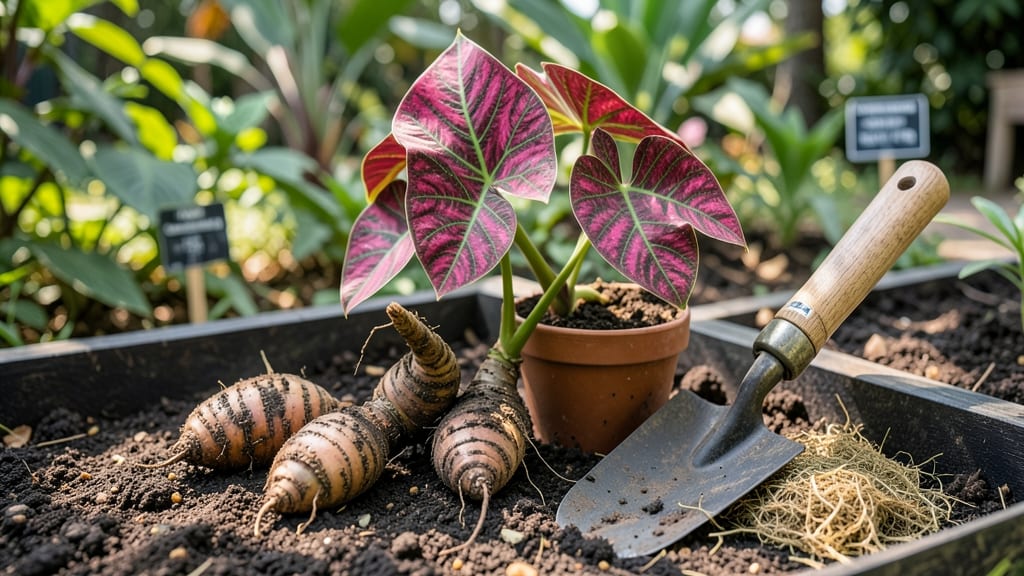
Planting your Caladium🌿 bulbs at the wrong time in Houston could mean wilting leaves before they even bloom—thanks to our unpredictable mix of spring rains and sudden summer heat.
The key to vibrant foliage lies in timing it right, between March and April, when soil warmth and humidity align perfectly for these tropical favorites.
I’ve watched too many gardeners rush their Caladium bulbs into the ground too early, only to have them rot in Houston’s lingering dampness. Or worse, plant them too late and miss the spring window entirely.
The solution? Wait until the soil hits 65°F—that’s your green light to dig in and set up your plants for a showstopping summer display.
What makes Houston’s climate tricky is how quickly conditions shift—one day it’s 50°F and rainy, the next it’s 90°F and bone-dry. I’ll break down exactly how to read your soil and weather cues so you never guess again.
Plus, I’ll share my foolproof method for protecting your Caladium from Houston’s humidity-related pests and diseases.
Ready to grow Caladium🌿 that steals the show? Let’s dive into the exact planting timeline, soil prep secrets, and care tips that’ll keep your plants thriving—no matter how wild Houston’s weather gets.
Houston’s ideal Caladium planting calendar: avoiding frost and heat stress
Houston’s subtropical climate means caladium bulbs thrive when planted after the last frost but before summer’s brutal heat. Since Houston’s USDA Zone 9a rarely sees frost after January 15, your window opens earlier than in cooler regions.
Aim for mid-March to early April—this timing balances soil warmth and humidity, giving your plants the best start.
The key is soil temperature. Caladiums need soil at least 65°F to sprout. In Houston, this typically happens by late February to early March, but urban heat islands (like concrete-heavy areas) may warm faster. Test your soil with a thermometer to confirm readiness—don’t guess!
If you miss the ideal window, May is your backup month. Late plantings still work, but expect slower growth and less vibrant foliage. Houston’s summer humidity (often 70-90%) can stress newly planted bulbs, so timing matters more than in drier climates.
Here’s your Houston-specific planting timeline with frost risk and soil temp data:
| Month | Soil Temp (°F) | Frost Risk | Humidity (%) | Planting Note |
|---|---|---|---|---|
| February | 55-65°F | Low | 50-70% | Early starters in warm microclimates |
| March | 65-75°F | None | 60-80% | Ideal window—best results |
| April | 70-80°F | None | 70-90% | Last chance for vibrant growth |
| May | 75-85°F | None | 75-95% | Backup month—growth slower |
Pro tip: Houston’s urban heat islands (like downtown) can push soil temps 5-10°F warmer than rural areas. If your yard feels like an oven by late February, start planting 2-3 weeks early—just monitor for leaf spot fungus risks in high humidity.
For container gardening, March is safest—pots warm up faster than ground soil. Use well-draining mixes with perlite to prevent rot in Houston’s sticky summer air. Avoid black containers; they absorb heat and can cook roots.
If you’re in elevated areas (like Cypress or Katy), wait until mid-April—cooler nights there delay soil warming. Always plant bulbs 2 inches deep and space them 12 inches apart for airflow, which is critical in Houston’s muggy climate.
Remember: Caladiums are tropical. They’ll sulk if planted too early in cold soil or too late in scorching heat. The 30-day window from March 15 to April 15 gives you the sweet spot for bold foliage before Houston’s summer downpours test their resilience.
🌱
Signs your Houston soil and weather are Actually Ready for Caladiums
Houston’s subtropical climate means soil temperature and humidity levels must align before planting caladium bulbs. Unlike cooler regions, these tropical plants thrive only when the ground stays consistently warm—at least 65°F—and humidity rises above 60%. Skip the guesswork by checking these key indicators before digging.
First, test your soil warmth in late February or early March. Press a thermometer 2-3 inches deep—if it reads below 60°F, wait another week. Cold soil shocks tender caladium roots, causing rot. Houston’s urban areas often warm faster than rural zones, so test multiple spots, especially in shaded beds.
Next, monitor humidity trends. Caladiums love moisture, but Houston’s sudden spring showers can drown bulbs if planted too soon. Aim for steady 70%+ humidity for 3-5 days straight before planting. Check your phone’s weather app for local humidity forecasts or use a hygrometer for accuracy.
Watch for leaf unfurling in nearby plants like coleus or impatiens—these signal warming soil. If their leaves emerge vibrant and upright, your caladiums are ready too. Avoid planting when these plants show wilting or yellowing, a sign of lingering chill.
⚠️ Houston Heat Warning
Planting too early in partial shade can trick you—caladiums need warmth, not just shade. If your garden stays cool (e.g., under large oak trees), delay planting until mid-April when soil absorbs heat from longer daylight.
Pay attention to microclimates in your yard. South-facing beds warm 2-3 weeks earlier than north-facing ones. Test both areas: if one spot hits 65°F but another lags, plant only in the warmer zone. Raised beds heat up fastest—ideal for early plantings.
Finally, observe rainfall patterns. Houston’s April downpours can saturate soil, suffocating bulbs. Plant when forecasts show 3-5 dry days ahead. Use a moisture meter to confirm soil isn’t soggy—caladiums hate waterlogged roots.
Once all signs align—warm soil, high humidity, and dry spells—your caladiums will sprout within 2-3 weeks, rewarding you with bold foliage just in time for summer’s peak heat. 🌿