
Plants
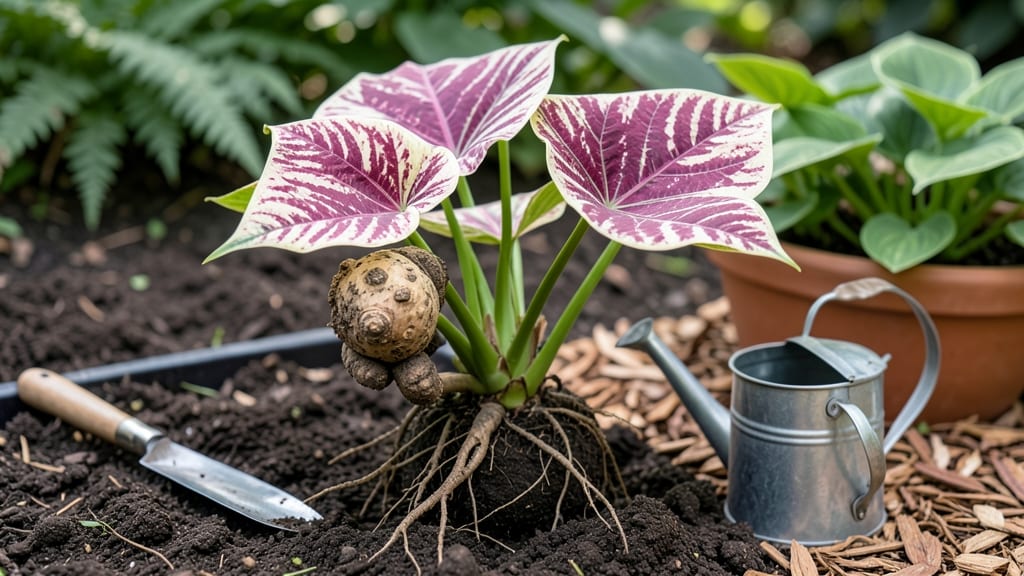
Ideal soil temperature and planting timeline for caladium bulbs in Zone 8
In Zone 8, caladium bulbs thrive when planted at the right time—typically after the last frost date (around mid-March) and when soil temperatures consistently reach 55-65°F. This warm-weather plant can't tolerate cold soil, which is why timing matters more than you might think.
Planting too early risks stunted growth, while waiting too long can lead to heat stress before foliage emerges.
For most of Zone 8, the ideal window spans from late April to early June, aligning with the 30-day frost-free period. This timing ensures your caladiums get enough warmth to establish roots before summer’s peak heat arrives.
I’ve found that early June plantings often yield the most vibrant foliage, as the bulbs have time to acclimate before the hottest months.
Here’s the key: Soil temperature is your best guide, not just calendar dates. Use a soil thermometer to confirm the ground has warmed to at least 60°F before planting. Cold soil slows root development, leaving your caladiums vulnerable to fungal diseases like rot.
I’ve seen gardeners rush planting in late April only to watch their bulbs fail to sprout until June—a frustrating delay!
Another critical factor is summer humidity. Zone 8’s muggy summers can stress caladiums if planted too late. Aim to finish planting by mid-June to give foliage time to mature before the dog days of August. Late plantings may still work, but expect slower growth and less dramatic foliage.
| Stage | Action | Zone 8 Timeline |
|---|---|---|
| Soil Prep | Amend soil with compost | March-April |
| Planting Window | Plant bulbs 4-6" deep | Late April-June |
| Foliage Emergence | Expect sprouts in 4-6 weeks | May-July |
| Peak Growth | Full foliage by summer | June-August |
| Tuber Harvest | Lift and store after frost | October-November |
If you’re unsure about your last frost date, check local USDA frost maps or ask your local Cooperative Extension Service. For example, in Atlanta, GA, the average last frost is March 15, while San Antonio, TX sees frost-free conditions by February 15.
These differences highlight why soil temperature, not just dates, should dictate your planting schedule.
Pro tip: Container growing gives you flexibility in Zone 8. You can start caladiums indoors in March and transplant them outside after the last frost. This method extends your planting window and helps avoid heat stress during sudden summer temperature spikes.
I’ve used this trick in my Houston garden to get a head start on vibrant foliage.
One common mistake is planting caladiums too deep. While they prefer 4-6 inches of soil coverage, burying them deeper than 6 inches can delay emergence. The bulbs need quick access to warmth to sprout, so shallow planting (but not too shallow!) is ideal.
Think of it like tucking them into a cozy blanket—just enough to protect but not suffocate.
Finally, mulching plays a crucial role in maintaining soil warmth. Apply a 2-3 inch layer of mulch (like shredded bark) after planting to regulate temperature and retain moisture.
This is especially important in Zone 8’s hot summers, where soil can dry out quickly. I’ve seen caladiums in mulched beds thrive where unmulched plants struggle.
Remember, caladiums are tropical plants at heart. They crave warmth and humidity, so timing your planting to align with Zone 8’s natural climate rhythms will set you up for success.
With the right soil temperature and a little patience, you’ll be rewarded with stunning foliage that brightens up any garden spot! 🌿
Ideal soil temperature and planting timeline for caladium bulbs in Zone 8
Caladium bulbs thrive in Zone 8’s warm climate, but soil temperature is the key to unlocking their vibrant foliage. Unlike cool-season plants, caladiums need consistent warmth—aim for 55-65°F soil temps before planting.
In Zone 8, this typically aligns with late April to early May, just after your last frost date (usually around March 15). Planting too early risks heat stress or stunted growth, while waiting too long may shorten your blooming season.
For a second planting window, you can also plant caladiums in late summer (August) to enjoy fall foliage. This works well in Zone 8’s extended growing season, but avoid planting after September 1—the bulbs need 6-8 weeks to establish roots before cooler weather sets in.
Always check your local frost dates to fine-tune timing, as microclimates can vary even within Zone 8.
🌱 Pro Tip: Use a soil thermometer to confirm temps before planting. If your soil is still below 55°F, wait a week or two—caladiums are not frost-tolerant and will rot in cold, damp soil.
| Stage | Action | Soil Temp | Zone 8 Timeline |
|---|---|---|---|
| Pre-Planting Prep | Amend soil with compost | N/A | March-April |
| Planting Window 1 | Plant bulbs 4-6" deep | 55-65°F | Late April-Early May |
| Peak Growth | Water deeply, fertilize monthly | 65-75°F | June-July |
| Planting Window 2 | Plant for fall color | 60-70°F | Late August |
| Harvest Tubers | Dig up bulbs after foliage dies | N/A | October-November |
If you’re unsure about soil temps, use mulch to warm the ground faster. A 2-3 inch layer of straw or shredded leaves can raise soil temps by 5-10°F, helping caladiums establish roots quicker. Just avoid piling mulch directly against the bulbs—keep it 2 inches away to prevent rot.
One common mistake in Zone 8 is planting caladiums too early in spring when soil is still cool. This causes bulbs to rot from the bottom up before they sprout.
Conversely, planting in late summer risks bulbs not rooting deeply enough before fall’s first frost. Always prioritize soil warmth over calendar dates.
For container growers, plant caladium bulbs in well-draining pots filled with a mix of peat moss, perlite, and compost. This gives you more control over soil temps, especially if you’re extending your season with row covers or cold frames. Just ensure pots have drainage holes—caladiums hate soggy roots!
Once planted, monitor your caladiums closely for yellowing leaves, which can signal overwatering or poor drainage. In Zone 8’s heat, water deeply 2-3 times per week rather than daily shallow watering. This encourages strong root growth and bold foliage—the whole point of growing caladiums!