
Plants
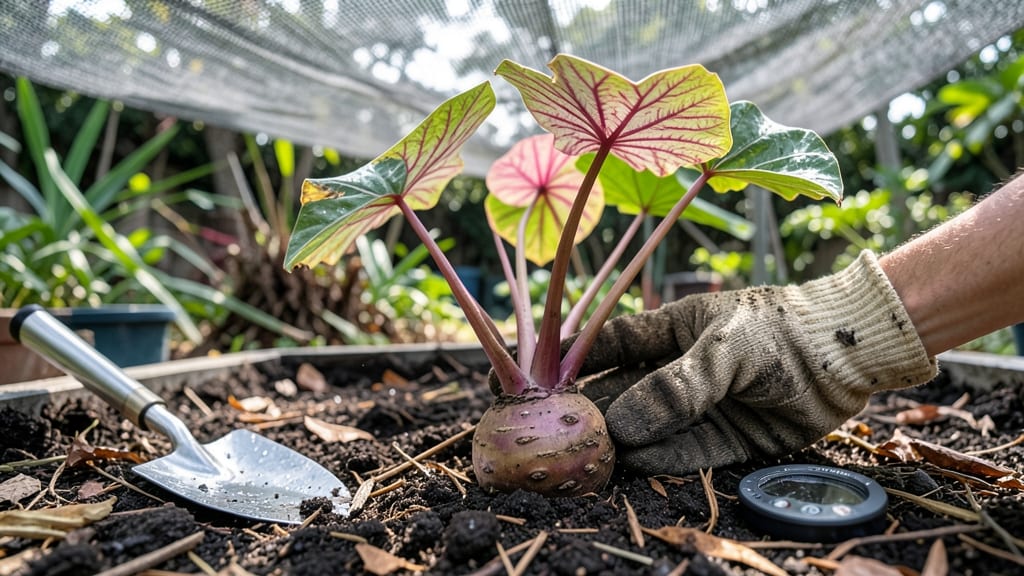
Planting caladiums in Texas isn’t just about the calendar—it’s about outsmarting the heat and avoiding frost’s sneaky surprises. These stunning 🌿 caladiums demand precision, especially in zones 8a-11, where one wrong move can turn your dream garden into a sad, wilted mess.
Most gardeners wait until March or April, but timing varies wildly across Texas—from North Texas’s chilly late frosts to South Texas’s early warmth. The key? Planting after soil hits 65°F and all frost risk fades, usually mid-April to late May depending on your corner of the state.
In this guide, I’ll break down the exact heat-zone timeline for your region, plus soil prep secrets and sunlight tricks to keep your caladiums thriving all summer. Skip the guesswork—let’s get those tubers in the ground the right way.
Whether you’re in Houston’s humidity or El Paso’s dry heat, these tips will ensure your caladiums burst into show-stopping color without wilting before their time. Ready to transform your garden?
Texas heat-zone planting calendar for caladiums: exact weeks to avoid frost damage
Texas spans USDA zones 8a-11, meaning frost dates vary wildly—from January 1 in Houston to March 1 in Lubbock. Caladiums, which are tender tubers, need to be planted after the last frost and before peak summer heat (typically by early June).
Miss this window, and you risk frost damage or leaf scorch.
For most of Texas, the ideal planting window is mid-March to late April. However, East Texas (zones 8a-9a) can plant as early as February 15, while West Texas (zones 8b-11) should wait until late April to avoid early-season freezes or extreme heat.
Here’s a city-by-city breakdown to pinpoint your exact planting timeline:
| Texas Region | Last Frost Date | Ideal Planting Window | Key Risk |
|---|---|---|---|
| East Texas (Houston, Beaumont) | January 1 - February 15 | February 15 - March 31 | Late frost |
| Central Texas (Austin, San Antonio) | February 15 - March 1 | March 15 - April 15 | Early heatwaves |
| North Texas (Dallas, Fort Worth) | February 15 - March 1 | March 30 - April 30 | Unpredictable late frosts |
| West Texas (Lubbock, Midland) | March 1 - April 1 | April 15 - May 15 | Extreme heat stress |
| South Texas (Corpus Christi, Brownsville) | January 1 (rare) | February 1 - March 15 | Humidity-related fungal risks |
Pro tip: Use the Texas A&M AgriLife Extension’s frost date maps to confirm your local last frost date. Even a 28°F night can kill caladium tubers, so don’t rush planting in North or West Texas.
If you’re in a higher-risk zone (like North Texas), consider starting tubers indoors 4-6 weeks before your target planting date. Place them in a warm, bright spot (like a sunroom) to encourage early sprouting without frost exposure.
For container gardening, you can extend your planting window by 2-4 weeks. Pots warm up faster in spring, so you can plant caladiums in containers as early as February in most of Texas—just move them indoors if frost is forecasted.
Once planted, caladiums need 6-8 weeks of warm soil to establish roots before summer’s 100°F+ heat hits. If you plant too late (after June 1), their growth will be stunted, and leaves may yellow or crisp from heat stress.
To maximize your caladiums’ vibrant foliage display, aim for a 6-8 week window between planting and peak summer. For example, if your last frost is March 15, plant by April 15 to enjoy full-color leaves by June 1.
Finally, mark your calendar for September 1—this is when you should dig up and store tubers before the first frost. Leaving them in the ground risks rot or freeze damage, but proper storage ensures next year’s boldest leaves.
Signs your Texas soil is ready for caladiums: temperature, moisture, and light checks
Before you rush to plant your caladium tubers, Texas’s unpredictable soil conditions demand a few key checks. Cold soil or harsh sunlight can shock these tropical plants, stunting their vibrant foliage before it even begins. Let’s break down the three critical signs your soil is ready for caladiums.
First, soil temperature is non-negotiable. Caladiums thrive when the ground reaches a steady 65-75°F. Use a soil thermometer (available at garden centers for under $10) to test depth—aim for 4-6 inches deep, where roots will establish.
If your soil is cooler than 60°F, wait at least 1-2 weeks for warmth to build.
Next, check moisture retention. Caladiums hate soggy soil but also wilting from drought. Press your finger 1-2 inches into the soil—it should feel moist but not muddy. If it’s bone-dry, water deeply and mulch with 2-3 inches of organic mulch (like shredded bark) to retain humidity.
In West Texas, this is especially critical due to low humidity levels.
⚠️ Warning: Avoid These Mistakes
- Planting in cold soil (<60°F) = root rot risk from slow decomposition.
- Skipping mulch in East Texas = soil erosion from heavy rains.
- Overwatering = yellowing leaves (caladiums hate "wet feet").
Pro tip: Test soil pH (ideal: 6.0-7.0) with a dollar-store pH kit. Acidic soil (<5.5) can stunt growth.
Finally, evaluate light conditions. Caladiums crave partial shade—think dappled sunlight or filtered light. If your garden spot gets more than 4 hours of direct afternoon sun, the leaves will scorch and crisp.
Instead, plant near trees with high canopies (like oak or pecan) or use shade cloth (30-50%) if needed. In South Texas, morning sun is safer than brutal 11 AM-3 PM rays.
For container gardening, place pots on patios with afternoon shade or under eaves. If your yard lacks natural shade, a DIY shade screen (use white fabric stretched over a frame) works wonders. Remember: caladiums are divas—they demand consistent conditions to reward you with their show-stopping patterns.
Once you’ve confirmed warm soil, balanced moisture, and ideal light, it’s time to plant! Dig a hole twice as wide as the tuber but only 2 inches deep—caladiums hate being buried too deep. Space them 12-18 inches apart for optimal airflow and foliage display.
Now that your soil is prepped, your caladiums will thrive from spring to frost, turning your Texas garden into a living art gallery. 🌿