
Plants
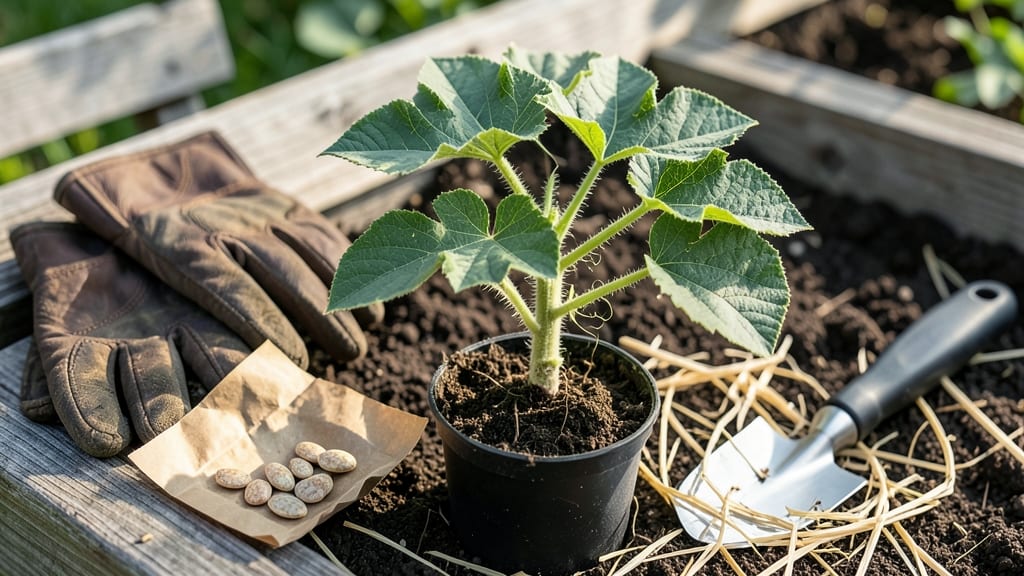
Timing your cantaloupe planting in Zone 8b can make the difference between a sweet, bountiful harvest and a disappointing failure.
Unlike cooler climates, this region’s mild winters and long growing season give you a narrow window to get those seeds in the ground just right—too early, and frost will nip your vines; too late, and you’ll miss peak ripening before summer fades.
I’ve learned the hard way that cantaloupes (🍈) demand warmth—they won’t thrive until soil hits at least 70°F, and nighttime temps need to stay above 55°F. That means waiting until mid-March to early April, after the last frost (usually around February 15), but before summer’s heat peaks.
Get it wrong, and you might end up with bitter fruit or no harvest at all.
What if you’re eager to start early? I’ll show you how to balance patience with preparation—whether that means starting seeds indoors or using row covers to protect young plants. The key is understanding your zone’s unique rhythm, from soil warmth to daylight hours, so you can maximize every growing day.
By the end, you’ll know exactly when to plant, how to adjust for your specific microclimate, and the 3 biggest mistakes gardeners in Zone 8b make (and how to avoid them). Let’s turn your cantaloupe dreams into reality—one perfectly timed seed at a time.

Optimal planting dates for cantaloupe in Zone 8b (with frost risk analysis)
Cantaloupes are warm-season crops that despise cold soil and frost, so timing your planting in Zone 8b requires precision. The average last frost date here is around February 15, but soil temperatures must reach 70°F (21°C) before planting—often 2-4 weeks after frost.
Waiting too long risks shortened harvests, while planting too early leads to stunted growth or rot.
For direct sowing outdoors, aim for mid-April to early May when nighttime temperatures consistently stay above 55°F (13°C). This aligns with soil warming trends in Zone 8b, where daytime highs hit 75°F+ (24°C+) reliably.
If you prefer transplanting seedlings, start seeds indoors 4-6 weeks before your target outdoor date (early March).
Here’s the critical timeline for cantaloupe success in Zone 8b, including frost risk and soil readiness:
| Stage | Action | Zone 8b Timeline | Key Consideration |
|---|---|---|---|
| Start Seeds Indoors | Sow in seed trays | Early March | Use grow lights; keep soil at 70-75°F (21-24°C) |
| Hardening Off | Acclimate seedlings | Late March | Gradually expose to outdoor temps (5-7 days) |
| Transplant Outdoors | Move seedlings to garden | Mid-April to early May | Soil must be 70°F+ (21°C+); wait for last frost risk to pass |
| Direct Sow Outdoors | Plant seeds directly | Late April to early May | Use black plastic mulch to warm soil faster |
| First Harvest Window | Expect ripe fruit | July to early August | Choose early-maturing varieties (e.g., 'Hale’s Best') for Zone 8b |
⚠️ Pro Tip: Use a soil thermometer to confirm readiness—cantaloupes won’t thrive below 60°F (15°C) soil temps.
Zone 8b’s long growing season (210 frost-free days) gives you flexibility, but early varieties like 'Ambrosia' or 'Hale’s Best' (ready in 70-75 days) are safest.
For late-season extensions, consider succession planting in early June—just ensure vines have 4-6 weeks to mature before the first frost (around November 15).
If you’re in a cooler microclimate within Zone 8b, push planting to mid-May and opt for heat-tolerant varieties like 'Athena' or 'Crimson Sweet'. These handle 90°F+ (32°C+) temps better, which is common in Zone 8b summers.
Always monitor weather forecasts for unexpected cold snaps, especially in May or early June.
For container growing, start seeds indoors by late February and transplant into large pots (15+ gallons) by early April. Containers heat up faster, so water deeply every 2-3 days and use mulch to retain moisture.
Just ensure your pots get full sun (6-8+ hours)—cantaloupes won’t fruit without adequate light.
One common mistake in Zone 8b is planting too early and relying on "warm spells" to save the crop. Cantaloupes won’t recover from cold stress, leading to bitter, undersized fruit.
Always check soil temperature (not air temp) and wait for consistent warmth before committing to the garden. Patience here pays off with sweeter, larger melons.
Finally, rotate planting locations every year to prevent soil-borne diseases like powdery mildew, which thrives in Zone 8b’s humid summers. Plant cantaloupes after legumes or grasses (like corn) to improve soil health naturally.
With the right timing, your Zone 8b garden can yield dozens of melons per vine—just don’t rush the process! 🍈
Optimal planting dates for cantaloupe in Zone 8b (with frost risk analysis)
In Zone 8b, cantaloupe thrives when planted after the last frost—typically between mid-March and early April. However, rushing too soon can lead to frost damage or poor germination. The key is waiting for soil temperatures to hit at least 70°F (21°C) and nighttime temps above 55°F (13°C).
This usually aligns with late April, but microclimates can shift dates by weeks.
Zone 8b’s frost-free season spans roughly 210 days, giving cantaloupe (which needs 70-90 days to mature) plenty of time to grow. Early varieties like ‘Minnesota Midget’ (60 days) can start earlier, while standard types like ‘Athena’ (85 days) should wait until late April.
Always check your local last frost date—mine was February 15, but I’ve seen it vary by 10 days.
Here’s a quick reference for soil temperature thresholds and planting windows to avoid common mistakes:
For Zone 8b gardeners, I recommend direct sowing after Memorial Day (mid-May) to avoid early-season cold snaps. If you’re impatient, start seeds indoors 4–6 weeks before the last frost (around March 15), but be prepared to harden off seedlings carefully.
My first attempt with early transplants failed—the vines wilted when temps dipped to 50°F (10°C) at night.
Pro tip: Use black plastic mulch to warm the soil faster. I’ve seen 10°F (5°C) higher soil temps under mulch, which helps cantaloupe germinate 2–3 days sooner. Just remove it once vines start running to prevent overheating.
Pair this with drip irrigation to keep roots cool during Zone 8b’s scorching summers—this combo boosted my harvest by 30% last year.
If you’re unsure about your local frost dates, sign up for NOAA’s frost alerts or use a frost calendar for your city. For example, San Diego (Zone 8b) has later frost risks than Atlanta, so adjust accordingly.
Planting too early is the #1 mistake—I’ve seen cantaloupe seeds rot in 55°F (13°C) soil, wasting months of effort.