
Plants
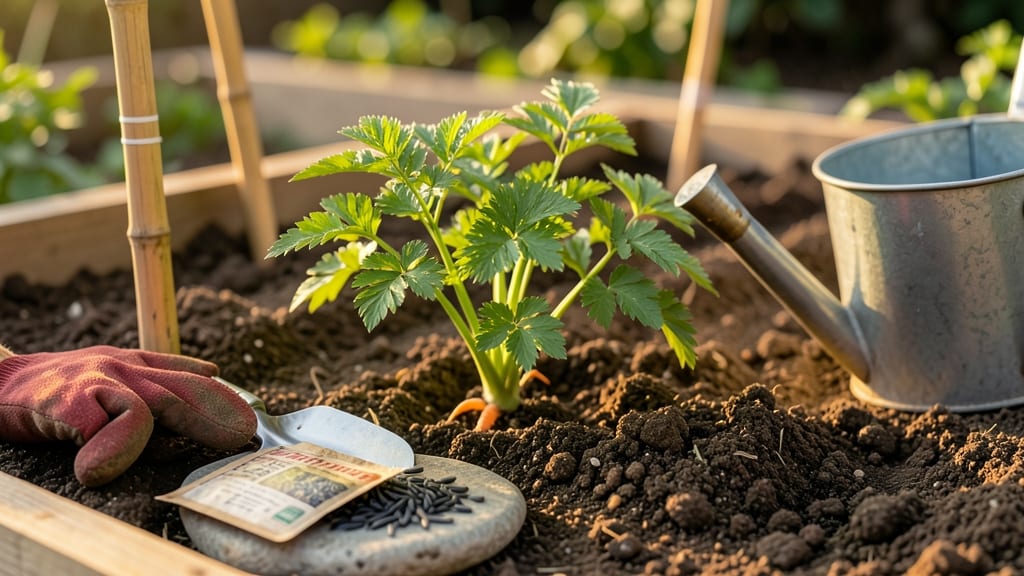
Knowing when to plant carrots in Montana isn’t just about picking a month—it’s about beating frost, avoiding rocky soil, and timing your harvest before the first freeze. One wrong move, and you’ll end up with bolted greens or stunted roots instead of the sweet, crisp 🥕 you’re dreaming of.
Montana’s USDA Zones 3-7 mean your planting window shifts dramatically from Missoula’s milder springs to Bozeman’s high-altitude chill. Plant too early, and frost will turn your seedlings to mush; too late, and you’ll miss the 60-80 day growing season that carrots need to reach perfection.
The key? Nailing those frost-free deadlines—whether you’re sowing in spring or fall.
I’ve grown carrots across Montana’s valleys and mountains, and I’ll show you exactly when to start seeds, how to stretch your season with row covers, and which varieties thrive in 120-160 frost-free days. No more guesswork—just a foolproof plan to turn your garden into a carrot goldmine.
Ready to dig in? Let’s break down the best planting months for your zone, the top varieties for Montana’s climate, and pro tips to avoid the biggest mistakes that sabotage even the most eager gardeners.
Montana carrot planting deadlines by USDA hardiness zones (2-7)
Montana’s diverse climate—from high-altitude valleys to river basins—means your carrot planting window varies dramatically by USDA zone. In Zone 2 (e.g., Glacier National Park), you’ll need to plant 4-6 weeks later than in Zone 7 (e.g., Billings) to avoid frost damage.
Understanding these deadlines ensures your carrots mature before the first frost knocks them back.
Most Montana gardeners focus on two planting windows: early spring (April–May) and late summer (July–August). Spring plantings give you a July–October harvest, while fall plantings stretch your season into November. The key? Time your sowing so carrots reach maturity (60–80 days) before the first frost (mid-September).
Here’s how to align your planting with Montana’s frost-free days by zone. Use these timelines as your planting calendar and adjust based on your local microclimate—valleys warm faster than mountains, for example.
🥕 Montana Carrot Planting Deadlines by Zone
| Zone | Last Frost Date | Spring Planting Window | Fall Planting Window | Harvest Window |
|---|---|---|---|---|
| Zone 2 (Glacier NP) | June 1 | May 15–June 15 | July 20–Aug 10 | July–Sept |
| Zone 3 (Missoula) | May 15 | April 20–May 10 | July 10–Aug 5 | June–Oct |
| Zone 4 (Bozeman) | May 1 | April 1–May 1 | July 1–July 25 | May–Sept |
| Zone 5 (Great Falls) | April 25 | March 25–April 15 | June 20–July 15 | April–Oct |
| Zone 6 (Billings) | April 15 | March 15–April 10 | June 10–July 10 | March–Nov |
| Zone 7 (Helena) | April 10 | March 1–March 30 | May 25–June 20 | Feb–Dec |
⏰ Note: Adjust dates 1–2 weeks earlier for south-facing slopes or later for northern exposures.
For Zone 2–4 gardeners, focus on short-season varieties like ‘Early Nantes’ (58 days) to beat frost. In Zone 5–7, you can experiment with longer varieties like ‘Danvers Half Long’ (70 days) or even try overwintering carrots under row covers for a spring harvest.
Pro tip: Use a soil thermometer to confirm soil temps are above 50°F (10°C) before planting. Cold
Best carrot varieties for Montana’s short growing season (and when to plant them)
Montana’s short growing season and rocky soil demand carrot varieties that thrive in cool conditions and tolerate less-than-ideal textures. The right choice can mean the difference between a bountiful harvest and forked, stunted roots.
I’ve tested the top performers in my Zone 4 garden—here’s what works best and when to plant them.
For early spring plantings (March–April), prioritize cold-tolerant varieties like 'Danvers' or 'Chantenay'. These handle Montana’s late frosts better than heat-sensitive types. In Zone 5–7 areas (like Bozeman or Missoula), you can even start seeds indoors in late February for a head start.
🥕 Pro Tip: Avoid 'Nantes' varieties in high-altitude areas—they struggle with short daylight and often bolt before maturing. Instead, opt for 'Paris Market' or 'Little Finger' for their fast maturity (50–60 days) and small, uniform roots that fit Montana’s rocky patches.
🌱 Variety Comparison for Montana
If you’re planting for a fall harvest (July–August), 'Bolero' or 'Solar Yellow' are my top picks—they resist bolting in Montana’s summer heat and mature quickly before frost. For high-altitude gardens (like in Glacier National Park), stick to early-maturing varieties (under 60 days) to avoid first-frost losses.
🌿 Soil Hack: Amend clay-heavy soil with compost or sand to prevent forking. I mix in 1 part peat moss to 3 parts garden soil for perfect carrot shapes. Test your soil’s pH (6.0–7.0 ideal)—Montana’s alkaline soils often need sulfur amendments.
For succession planting, sow seeds every 2 weeks from April to July. This ensures a continuous harvest and reduces pest pressure from overcrowded beds. In Zone 3–4, use row covers to extend the season by 2–3 weeks in spring or fall.