
Plants
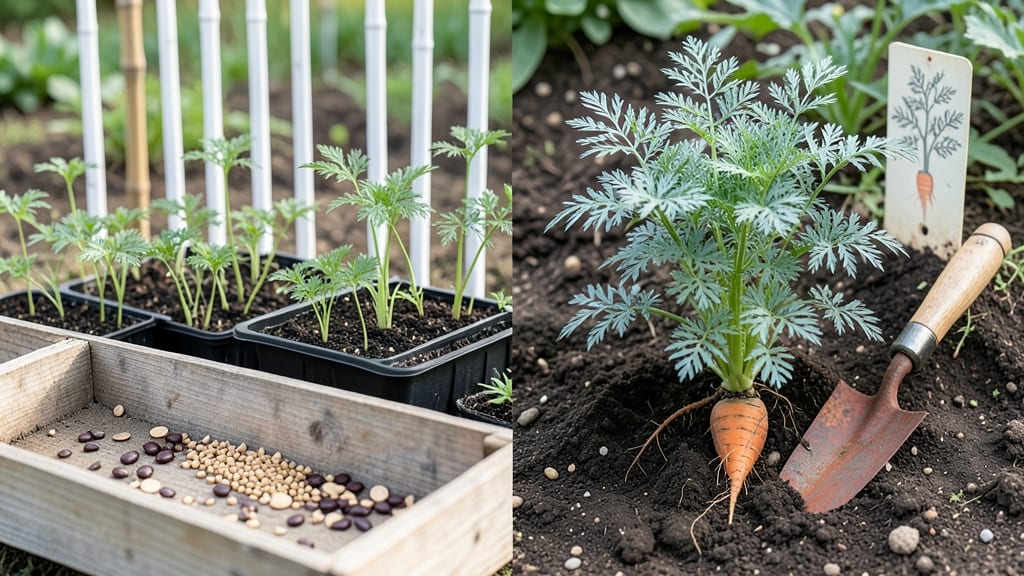
Knowing when to plant carrots in Zone 7a is the difference between sweet, crisp roots and bitter, stunted failures. If you’ve ever pulled up a carrot that’s forked or woody, you’re not alone—timing is everything, especially in Zone 7a’s unpredictable climate.
Carrots 🥕 thrive in cool soil, so planting them too early (when the ground is still cold) or too late (as summer heat sets in) can ruin your harvest. The key? Two perfect windows: early spring and late summer, each with specific temperature thresholds to follow.
I’ll break down the exact weeks before your last frost to plant for maximum success, plus how to prep your soil and avoid common mistakes that waste your effort. Ready to grow carrots that taste like summer?
Let’s get your garden on track for a harvest that’ll make your taste buds dance—no more guesswork, just sweet, perfect roots every time.

Optimal planting windows for carrots in Zone 7A: exact weeks before frost
Zone 7A’s 180 frost-free days create a tight window for growing sweet, crisp carrots. The key is planting 4-6 weeks before your last spring frost (typically mid-April) and again in late summer for a fall harvest. Miss these timings, and you’ll risk bitter roots or stunted growth from heat stress.
Carrots thrive when soil temperatures hover between 50°F and 85°F. In Zone 7A, this means starting seeds indoors 6-8 weeks before transplanting or sowing directly in loose, stone-free soil when nighttime temps stay above 45°F. Use a soil thermometer to confirm—cold soil slows germination.
For spring plantings, aim for March 15–April 15 in most of Zone 7A. In cooler microclimates (like higher elevations), push this to April 1–15. Fall plantings should go in July 15–August 15 to mature before the first frost (mid-October).
🥕 Zone 7A Carrot Planting Timeline
| Season | Planting Window | Soil Temp | Days to Harvest |
|---|---|---|---|
| Spring | March 15–April 15 | 50°F–65°F | 60–80 days |
| Fall | July 15–August 15 | 65°F–75°F | 50–60 days |
Regional variations matter in Zone 7A. In the Piedmont region, warmer microclimates may allow earlier spring plantings (March 1), while Appalachian areas might need to wait until April 1. Check your local USDA frost maps or use a frost calendar app for precision.
For a continuous harvest, stagger plantings every 2–3 weeks in spring and fall. This ensures you’re always pulling fresh carrots while avoiding a single overwhelming harvest. Use short-season varieties like ‘Paris Market’ (50 days) or ‘Nantes’ (60 days) for fall, and heat-tolerant types like ‘Danvers’ for summer.
Watch out for bolting—when carrots flower prematurely—during heatwaves. If temps exceed 85°F for weeks, switch to shade cloth or opt for bolt-resistant varieties like ‘Rainbow’ or ‘Cosmic Purple’. Mulch with straw to keep roots cool and moist.
Direct-sow seeds ¼ inch deep in rows 12–18 inches apart for easy thinning. Overcrowding leads to forked or misshapen roots. Thin seedlings to 2–3 inches apart when they’re 2 inches tall, leaving the strongest plants. This step is critical—skipping it guarantees poor yields.
In Zone 7A, fall plantings often outperform spring ones because summer heat can stress carrots. Start seeds indoors in late June and transplant outdoors in early July to beat the worst heat. Aim to harvest before October 15 to avoid frost damage.
Pro tip: Use a seedling heating mat if sowing in cool spring soil (below 50°F). This speeds germination from 2–3 weeks to just 7–10 days, giving your carrots a head start. Pair this with row covers for extra frost protection in early spring.
Optimal planting windows for carrots in Zone 7A: exact weeks before frost
Zone 7A gardeners have two perfect windows to plant carrots: early spring and late summer. The key is avoiding frost damage while ensuring soil temperatures stay above 45°F—too cold and seeds won't germinate; too hot and they'll bolt prematurely.
Let's break down the exact timing and soil conditions for each window.
For spring plantings, aim to sow seeds 2–3 weeks before your last frost date (typically mid-April in Zone 7A). This gives seedlings time to establish before summer heat arrives.
If you plant too early, cold soil can delay germination for weeks. Use a soil thermometer to confirm temperatures are consistently above 50°F.
Your fall planting window opens in late summer, about 8–10 weeks before your first frost (mid-October in Zone 7A). This means sowing seeds in early August. Carrots planted too late may not mature before frost, but varieties like 'Danvers Half Long' tolerate cooler temps better than others.
🥕 Zone 7A Carrot Planting Timeline
| Planting Window | Soil Temp Requirement | Last Frost Buffer | Best Varieties |
|---|---|---|---|
| Early Spring (March–April) | 50°F+ | 2–3 weeks before last frost | 'Nantes', 'Paris Market' |
| Late Summer (July–August) | 60°F+ | 8–10 weeks before first frost | 'Danvers', 'Chantenay' |
⚠️ Pro Tip: Test your soil's pH (6.0–7.0) before planting—carrots hate acidic soil!
Regional variations matter in Zone 7A. If you're in the Piedmont, where springs warm faster, you can plant as early as late February. But in the Appalachians, wait until mid-April to avoid late frosts. Always check your local USDA frost calendar for precise dates.
Once you've picked your window, prepare your soil by removing rocks and clods—carrots need deep, loose soil (at least 12 inches) to grow straight. Mix in compost for nutrients, but avoid fresh manure, which can cause forking. Water gently after sowing to settle seeds without burying them too deep.
With these exact timing guidelines, you'll enjoy crisp, sweet carrots from late spring through fall—no bitter surprises here! 🌱