
Plants
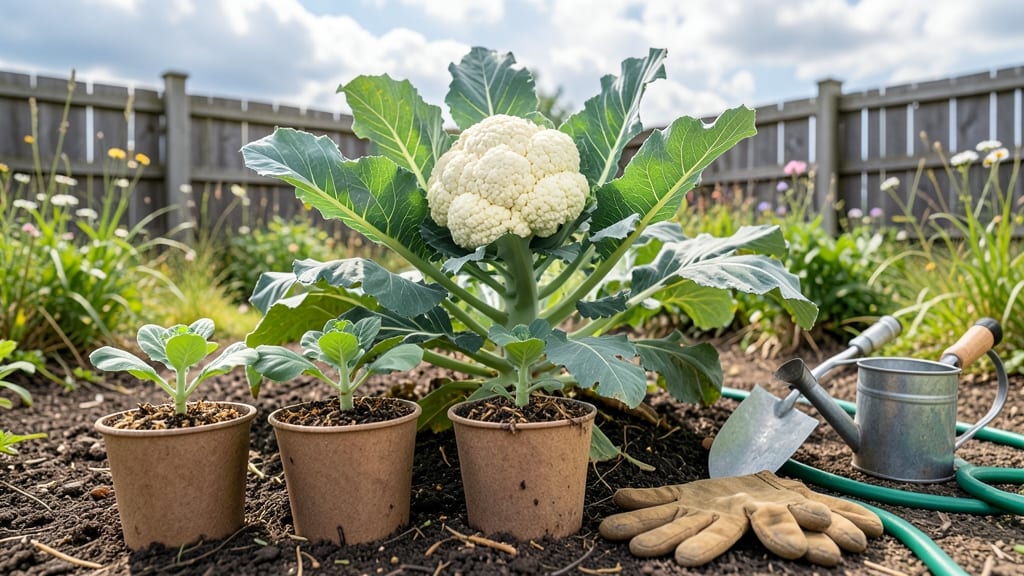
Timing your cauliflower 🥬 planting in Florida isn’t just about luck—it’s about beating the heat and avoiding the dreaded bolting that turns your crop into bitter stalks before harvest. The wrong schedule means wasted effort, while the right one unlocks crisp, flavorful heads even in the Sunshine State’s unpredictable climate.
Here’s the secret: Florida’s two ideal windows—fall (September-October) and spring (February-March)—are your golden tickets, but regional microclimates (like North FL’s cooler 8a vs. South FL’s balmy 10a-11) demand precision. Skip the guesswork and plant at the exact moments when your cauliflower will thrive, not just survive.
I’ll break down the heat-resistant varieties that actually perform in Florida’s humidity, plus the soil prep and shade tricks that keep your plants from bolting prematurely. Whether you’re a first-time gardener or a seasoned pro, these Florida-specific tips will transform your cauliflower harvest from “maybe” to “abundant.”
Ready to ditch the trial-and-error? Let’s get into the exact months, spacing tricks, and companion plants that’ll make your garden the talk of the neighborhood—without the summer meltdown.
Best months to plant cauliflower in Florida (avoiding bolting & heat stress)
Florida’s two distinct growing seasons—fall/winter and spring—dictate the perfect planting windows for cauliflower. Unlike cooler northern states, Florida’s USDA Zones 8a-11 demand precise timing to avoid heat stress or premature bolting.
The ideal months are September-October for fall and February-March for spring, aligning with cooler temperatures and shorter days.
Cauliflower is a cool-season crop that thrives when soil temperatures stay between 60°F and 70°F. In Florida’s North (Zone 8a), frost risk forces earlier planting, while Central (Zone 9a) and South (Zones 10a-11) can extend seasons slightly.
The key is planting 8-10 weeks before first frost (fall) or 6-8 weeks before last frost (spring).
Here’s the exact Florida-specific timeline to maximize yields and avoid common pitfalls like bolting or heat stress:
| Season | Planting Window | Indoor Start | Outdoor Transplant | Harvest Window | Key Risk |
|---|---|---|---|---|---|
| Fall | Late August - October | Start seeds indoors 8-10 weeks before first frost (July-August) | Transplant outdoors September-October | December - January | Bolting from heat |
| Spring | February - March | Start seeds indoors 6-8 weeks before last frost (January) | Transplant outdoors February-March | May - June | Heat stress |
In North Florida (Zone 8a), where frost is a real threat, prioritize fall planting (late August-September) to harvest before winter. Central and South Florida (Zones 9a-11) can attempt spring planting, but use shade cloth to protect seedlings from 90°F+ temperatures.
Avoid planting in summer (June-August)—cauliflower will bolt or produce bitter, small heads.
For container gardening, start seeds indoors in July (fall crop) or January (spring crop) and transplant into 5-gallon pots with well-draining soil. Containers help regulate soil temperature but require daily watering in Florida’s heat. Use lightweight potting mix to prevent root stress.
Soil preparation is critical. Amend beds with 2-3 inches of compost and ensure pH 6.0-7.0—cauliflower is sensitive to acidic soil. Work in aged manure or balanced fertilizer (10-20-10) at planting to support head formation. Mulch with straw or pine needles to retain moisture and suppress weeds.
Watch for signs of bolting, like tall, thin stems and yellowing leaves. This happens when days get too long or temperatures exceed 80°F. If you miss the ideal window, try ‘Purple of Sicily’—it’s more heat-tolerant than white varieties.
For extended harvests, succession plant every 2-3 weeks in fall or spring.
Florida’s microclimates mean your neighbor’s success might not match yours. In coastal areas (Zone 10a-11), you can grow cauliflower year-round with shade and irrigation, but yields will be lower. Inland areas (Zone 9a) have more predictable seasons—stick to the fall/winter window for best results.
Pro tip: Use a soil thermometer to monitor temperatures. Cauliflower roots thrive at 60°F-70°F—if soil hits 85°F+, growth stalls. In South Florida, plant in partial shade during summer months to buy time for a late-spring crop.
🌱
Best months to plant cauliflower in Florida (avoiding bolting & heat stress)
Florida’s two distinct growing seasons create a narrow window for cauliflower success. Unlike cooler climates, summer heat forces bolting (premature flowering), while winter frosts in North Florida can damage tender seedlings. The key? Timing your fall and spring plantings precisely—and choosing the right varieties for your region.
For North Florida (USDA Zone 8a), aim for September-October plantings to harvest before December’s first frost. In Central/South Florida (Zones 9a-11), you can extend into November or even February-March for spring crops.
The goal is to keep soil temps between 60-75°F—any hotter, and your plants will bolt.
📅 Pro Tip: Use a seed-starting calendar to begin indoors 8-10 weeks before transplanting. For example, start seeds in July for fall crops or January for spring—but only if you have shade protection.
| Region | Best Planting Months | Transplant Window | Harvest Window | Key Risk |
|---|---|---|---|---|
| North FL (Zone 8a) | September-October | October-November | December-January | Early frost |
| Central FL (Zone 9a) | September-November | October-December | December-February | Summer heat |
| South FL (Zone 10a-11) | September-January | October-February | December-April | Humidity/disease |
🌱 Note: Adjust for microclimates—e.g., coastal areas may have warmer winters.
In North Florida, prioritize late September starts to avoid bolting before frost.
For Central/South Florida, you can push into November or even January for spring crops, but use shade cloth (30-50%) during peak afternoons to prevent heat stress. Spring plantings should go in by February to harvest before summer’s relentless sun.
Soil prep is critical: Amend beds with compost to retain moisture and add aged manure or balanced fertilizer (10-20-10) at planting. Mulch with straw to keep roots cool—this is non-negotiable in Florida’s heat. 💧 Water deeply twice weekly (morning only) to encourage strong root growth before head formation.
Remember: Cauliflower is a cool-season crop, but Florida’s climate demands heat-tolerant varieties and strategic timing. Next, we’ll cover the top 5 varieties that actually thrive in Florida’s extremes—skip this step, and you’ll risk bitter disappointment.