
Plants
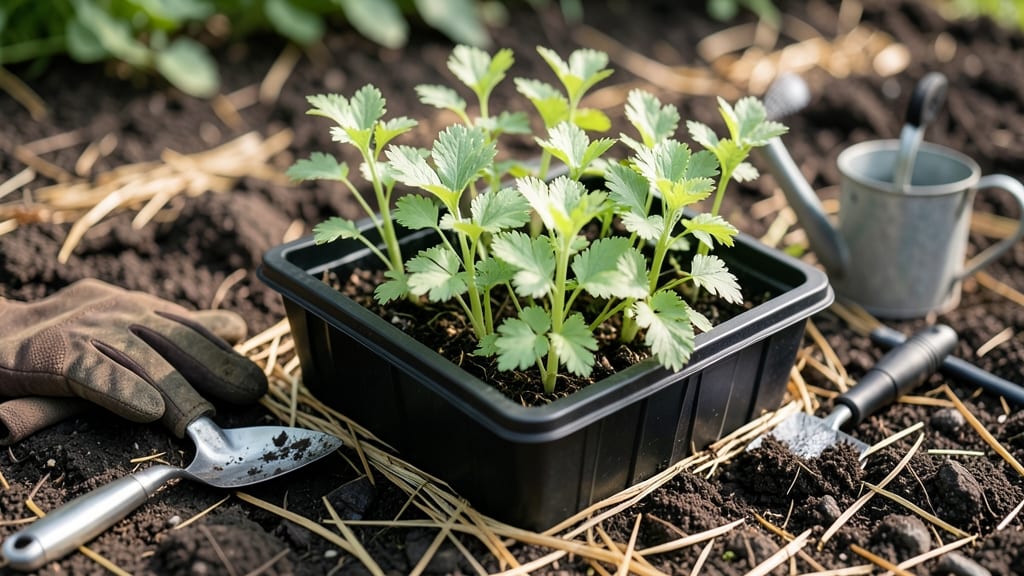
When to plant celery in Zone 6 is the key to avoiding bitter, stringy stalks and enjoying crisp, flavorful harvests instead. If you’ve ever bitten into homegrown celery 🥬 only to find it disappointing, you’re not alone—timing is the secret to success.
In Zone 6, planting celery at the wrong time can turn your garden into a disappointment, but get it right, and you’ll enjoy fresh harvests from late summer through fall.
The key lies in understanding Zone 6’s frost-free window, which stretches from early spring to late summer. Celery thrives in cool weather, so planting too early risks frost damage, while waiting too long can lead to heat stress and bolting.
Whether you’re starting seeds indoors or transplanting seedlings, the right timing ensures your celery grows strong and flavorful.
In this guide, I’ll break down the best planting dates for Zone 6, including regional variations for 6a and 6b. You’ll learn how to extend your harvest with succession planting and protect your crop from late frosts, so you can enjoy fresh celery straight from your garden all season long.
Ready to grow the crispest celery you’ve ever tasted? Let’s dive into the perfect planting schedule for your Zone 6 garden.

Optimal planting dates for celery in Zone 6: avoiding frost and heat stress
Celery is a cool-season crop that despises heat and frost, so timing your plantings in Zone 6 is critical. The frost-free window here spans roughly 165 days, but celery needs precise conditions to thrive.
Plant too early, and you risk frost damage; too late, and your stalks may bolt or turn bitter. Let’s break down the ideal planting windows and how to adapt for your specific location.
In Zone 6, the last average frost date is around April 15, while the first frost typically arrives by October 15. This leaves a 6-month window for growing celery, but the plant prefers cooler temperatures.
The two best times to plant are early spring (March–April) and late summer (July–August). These periods align with celery’s cool-season needs while avoiding extreme heat or frost.
For spring plantings, start seeds indoors 10–12 weeks before the last frost (around February) or transplant seedlings after April 15. This ensures mature plants are established before summer heat sets in. Fall plantings should begin in mid-to-late July so celery matures before the first frost.
If you’re in Zone 6a (colder microclimates), shift plantings 1–2 weeks later to avoid early frosts.
| Planting Window | Action | Notes |
|---|---|---|
| Early Spring (Zone 6) | Start seeds indoors (Feb) or transplant (after April 15) | Avoid frost; harvest by July |
| Late Summer (Zone 6) | Direct sow or transplant (July) | Harvest before first frost (Oct) |
| Zone 6a Adjustment | Delay by 1–2 weeks | Colder microclimates need later starts |
| Soil Temperature | Wait until 50°F (10°C) | Cold soil stunts germination |
One common mistake is planting celery too early in spring, which exposes seedlings to frost. Use row covers or cold frames if you must plant early, but avoid direct frost contact.
For late summer plantings, prioritize shade cloth (30–50%) to protect young plants from intense Zone 6 heat, which can cause bolting (premature flowering). Bolting celery becomes woody and bitter, ruining your harvest.
If you’re in northern Zone 6 (closer to 6a), err on the side of later plantings. Southern Zone 6 (6b) gardeners have a slightly longer window but should still avoid mid-summer heat.
Test soil temperature with a thermometer—celery seeds need 50°F (10°C) soil to germinate. If your soil is colder, wait or use black plastic mulch to warm it faster.
For maximum yield, consider succession planting every 2–3 weeks in spring and fall. This ensures a continuous harvest rather than one large batch. For example, plant a batch in early March, another in mid-April, and a final one in early July.
Space plants 12–18 inches apart to allow airflow and reduce disease risk.
Celery also benefits from consistent moisture, especially during drought-prone Zone 6 summers. Mulch with straw or shredded leaves to retain soil moisture and prevent weeds. Avoid overwatering, which can lead to blight or root rot.
Aim for 1–2 inches of water weekly, delivered in the morning to minimize evaporation and fungal issues.
Finally, harvest timing matters just as much as planting. Spring-planted celery should be ready by late July–August, while fall plantings mature by October–November. Look for thick, crisp stalks (about 12–15 inches tall) with dark green leaves.
If stalks become thin or bitter, it’s a sign of stress—likely from heat or drought.
With these timing strategies, you’ll avoid the bitter, woody stalks that plague poorly timed celery. Next, we’ll explore how to extend your harvest using row covers and other protective measures—stay tuned! 🌱
Optimal planting dates for celery in Zone 6: avoiding frost and heat stress
Celery is a cool-season crop that struggles when temperatures rise above 75°F. In Zone 6, your best bets are early spring or late summer plantings to avoid heat stress and bolting.
Timing matters—plant too early, and frost will damage seedlings; too late, and your celery turns bitter or woody.
For spring plantings, aim to sow seeds 4-6 weeks before your last frost date (typically March 15-April 15 in Zone 6). If you’re transplanting seedlings, wait until soil temperatures reach 50°F and all frost risk has passed (usually mid-April).
Summer plantings should occur 8-10 weeks before your first frost (around July 15-August 15). This gives celery enough time to mature before temperatures drop. Avoid planting after September 1st, as days grow shorter and stalks may not thicken properly.
🌱 Celery Planting Timeline for Zone 6
| Stage | Action | Best Time |
|---|---|---|
| Indoor Seed Start | Sow seeds 10-12 weeks before last frost | January-February |
| Transplant Outdoors | Move seedlings after last frost | Mid-April |
| Direct Sow Spring | Plant seeds 4-6 weeks before last frost | March-April |
| Direct Sow Fall | Plant seeds 8-10 weeks before first frost | July-August |
In northern Zone 6 (6a), where frosts linger longer, prioritize late March-April plantings for spring. For southern Zone 6 (6b), you can start slightly earlier (as early as February) or extend fall plantings into early September if your first frost comes late.
Watch for soil temperature cues: Celery seeds won’t germinate well below 50°F. Use a soil thermometer to confirm readiness. If temperatures fluctuate, opt for transplants instead of direct sowing for more consistent results.
Pro tip: Mulch heavily after planting to retain moisture and moderate soil temps. A 2-3 inch layer of straw helps prevent bolting during heatwaves while keeping roots cool. This simple step can mean the difference between crisp, sweet celery and tough, bitter stalks.