
Plants
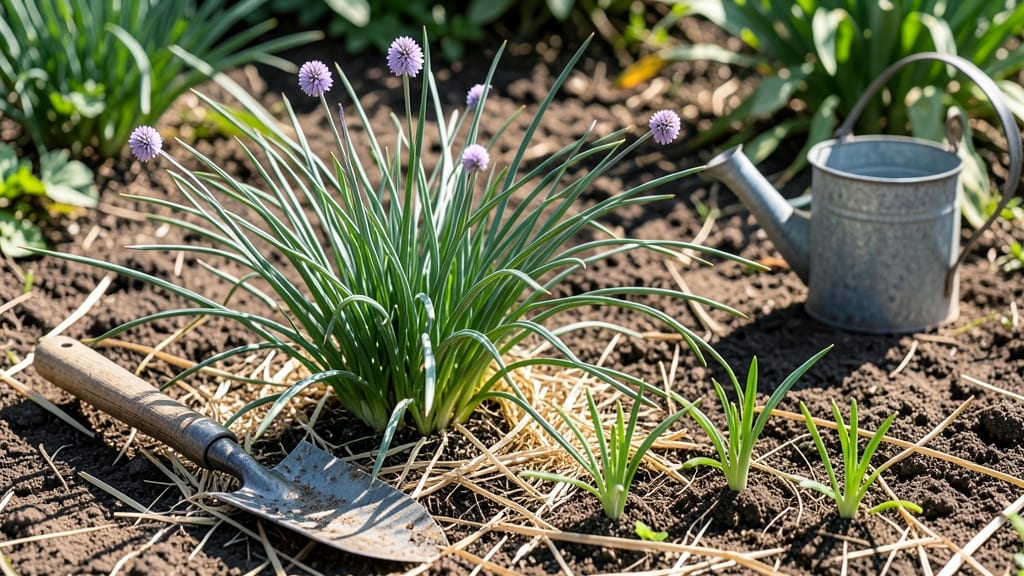
Timing your chives planting in Zone 7 can mean the difference between a thriving herb garden and a disappointing flop. These hardy 🌱 chives love the mild climate, but getting them in the ground too early or too late risks weak growth—or worse, frost damage.
The secret lies in understanding your local frost dates and seasonal transitions.
If you're new to growing chives, don't worry—this perennial herb is forgiving once you know the right windows. Planting in early spring (March-April) or early fall (September-October) gives your chives the best start, aligning with Zone 7's 180 frost-free days.
This timing ensures they establish strong roots before summer heat or winter chill sets in.
What makes chives special is their ability to regrow year after year, making them a gardener's best friend. But to unlock that potential, you need to plant at the perfect moment.
I'll walk you through exactly when to start seeds or transplants, how to extend your harvest season, and what to watch for to avoid common mistakes that stifle growth.
Ready to grow chives that thrive all season long? Let's dive into the ideal planting schedule for Zone 7—plus pro tips to keep your chives flourishing from spring through fall harvests. Your kitchen (and taste buds) will thank you!

Best planting times for chives in Zone 7: spring vs fall strategies
Chives are hardy perennials that thrive in Zone 7’s mild winters, but timing your planting correctly ensures strong root establishment and abundant harvests.
Since Zone 7 experiences last frost dates around March 15 and first frosts near November 15, you have two ideal windows: early spring and early fall. Each offers unique advantages for first-year vs. established plants.
For spring planting, aim to get chives in the ground 4-6 weeks before your last frost—typically mid-March to early April. This gives young plants time to develop roots before summer heat arrives.
If you plant too early, cold soil can delay germination, while planting too late risks stunted growth before winter.
Fall planting, on the other hand, should occur 6-8 weeks before your first frost, or late September to early October. This allows chives to establish roots before winter dormancy, giving you a head start on next year’s harvest.
Fall-planted chives often outperform spring-planted ones in Zone 7 because they avoid summer stress.
🌱 Spring vs. Fall Planting Comparison
| Factor | Spring Planting (March-April) | Fall Planting (September-October) |
|---|---|---|
| Best For | First-year growth, summer harvests | Established plants, early harvests |
| Temperature Range | 45°F–65°F (7°C–18°C) | 50°F–70°F (10°C–21°C) |
| Root Establishment | Moderate (summer heat risk) | Strong (cooler temps) |
| Harvest Window | May–October | April–November |
| Frost Risk | Low (after last frost) | Moderate (before first frost) |
| Pro Tip | Mulch to retain moisture | Use row covers for early frost protection |
If you’re planting chive seeds (rather than transplants), extend your spring window by 2-3 weeks earlier—seeds need longer to germinate (10–20 days) compared to transplants, which establish in 2-3 weeks.
For seeds, aim for late February to early March in Zone 7, using row covers if nighttime temps dip below 40°F (4°C).
For second-year and established chives, fall planting is often the best strategy. These plants have stronger root systems and can handle cooler temperatures better than seedlings. In Zone 7, fall-planted chives may even survive mild winters with minimal protection, giving you an earlier spring harvest.
One critical factor in Zone 7 is soil temperature. Chives prefer soil that’s at least 50°F (10°C) for germination. Use a soil thermometer to check—if it’s colder, wait 1-2 weeks or use black plastic mulch to warm the soil faster.
In warmer microclimates (like near south-facing walls), you can plant 1-2 weeks earlier than the average dates.
To maximize your chive harvests, consider succession planting: sow a small batch in late spring (May) and another in early fall (August). This ensures continuous greens from late spring through frost.
Just be sure to space them 6–12 inches apart to avoid overcrowding, which leads to weak, leggy growth.
Remember, chives are perennial in Zone 7, meaning they’ll regrow year after year if cared for properly. The first year is all about root establishment, while subsequent years focus on harvest management and soil health.
With the right planting timing, you’ll enjoy fresh chives for salads, soups, and garnishes for decades!
Best planting times for chives in Zone 7: spring vs fall strategies
Zone 7 gardeners enjoy long growing seasons and mild winters, making it ideal for chives—a hardy perennial herb. But timing matters! Planting too early risks frost damage, while late planting may delay harvests.
The best windows are early spring (March-April) and early fall (September-October), when soil temps hover between 45°F and 65°F.
Chives are cold-hardy perennials in Zone 7, meaning they’ll return year after year if planted correctly. For spring planting, aim for 2-4 weeks before your last frost date (typically March 15 in Zone 7).
This gives roots time to establish before summer heat arrives. Fall planting, however, should occur 6-8 weeks before first frost (November 15) to allow roots to strengthen before winter dormancy.
🌱
First-year chives focus on root establishment, so harvest lightly to avoid stressing young plants. In subsequent years, they’ll bolster growth and produce continuous harvests from May through October if planted in spring. For fall-planted chives, expect harvests to begin the following spring or early summer.
Pro tip: Use mulch in fall to insulate roots during winter. This helps chives survive Zone 7’s occasional light frosts and bounce back stronger in spring. Mulch also suppresses weeds and retains moisture—critical during Zone 7’s hot summers.
If you’re pushing the limits, February or November plantings can work with season extenders like cold frames or cloche covers. Just monitor soil temps closely—chives won’t thrive below 40°F. With the right timing, you’ll enjoy fresh chives year-round in your Zone 7 garden!
🌿