
Plants
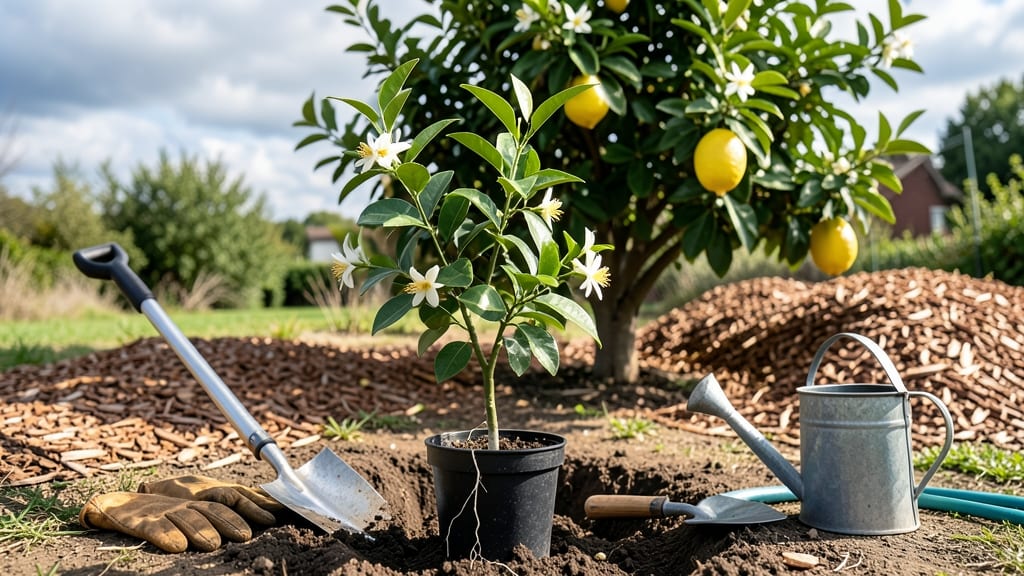
Planting your 🍊 citrus tree at the wrong time in Arizona could mean the difference between a thriving orchard and a sad, frost-nipped sapling—even though most of the state never sees frost.
The best window for planting citrus in Arizona isn’t just about avoiding cold snaps (though that’s critical in higher elevations), but also about giving your tree the perfect start when temperatures and soil conditions align just right.
If you’ve ever wondered why some gardeners swear by late winter while others insist on spring, the answer lies in Arizona’s microclimates—from the scorching Low Desert to the cooler High Desert.
I’ll break down the exact months that work best for your specific zone, so you can plant with confidence and watch your citrus trees grow strong enough to handle Arizona’s intense sun and occasional heat waves.
What you’ll discover isn’t just a calendar—it’s a game-changer for your citrus harvest. Whether you’re planting a dwarf Meyer lemon in Phoenix or a hardy Satsuma in Flagstaff, timing matters more than you think.
Let’s dive into the science behind the best months and how to set your citrus up for year-round success, even in Arizona’s unpredictable climate.
From soil prep to post-planting care, I’ll cover everything you need to know to avoid common mistakes that derail even the most well-intentioned gardeners. Ready to turn your backyard into a citrus paradise? Let’s get started.
Best months to plant citrus trees in Arizona (by region)
Arizona’s diverse climate means one planting window doesn’t fit all. The state spans USDA Zones 9a-11, creating three distinct regions with unique frost risks and ideal planting times. Whether you’re in Phoenix’s Low Desert or Flagstaff’s High Desert, timing matters to avoid root shock or frost damage.
Let’s break down the best months for each zone.
Most Arizona gardeners assume citrus can be planted year-round—but extreme heat (100°F+) or unpredictable cold snaps (even in Zone 9) can stress young trees. The sweet spot is when soil temps hit 60°F+ and nights stay above 40°F.
This typically aligns with late winter to early spring, but regional adjustments are key.
Low Desert (Phoenix, Tucson, Yuma): Your frost-free zone (Zone 10b-11) lets you plant year-round, but March-April is ideal. Avoid summer planting (June-August) when 110°F+ soil temps can bake roots. For container-grown citrus, February works if you’re prepared for extra shade and daily watering.
Transition Zone (Prescott, Sedona, Globe): Here, elevations 3,000-4,500 ft bring Zone 8b-9a conditions. Plant only in spring (March-April) to avoid late-winter frosts (28°F+ can kill young trees). If you must plant in fall, choose Satsuma mandarins (hardy to 18°F) and protect with burlap wraps.
High Desert (Flagstaff, Payson, Show Low): Zone 7a-8a’s cold snaps (below 20°F) make citrus risky—but dwarf varieties in containers can thrive. Plant only in May-June after last frost, or September for established trees. Never plant in winter; even 25°F can damage roots.
| Region | USDA Zone | Best Planting Months | Avoid Planting | Key Tip |
|---|---|---|---|---|
| Low Desert | 10b-11 | March-April (ideal), February (containers) | June-August (extreme heat) | Use mulch to retain moisture. |
| Transition Zone | 8b-9a | March-April (only) | Fall/Winter (frost risk) | Choose Satsuma for cold tolerance. |
| High Desert | 7a-8a | May-June (or September for containers) | Winter (below 25°F) | Plant in containers for mobility. |
Pro tip: Soil temperature matters more than air temp. Use a soil thermometer to confirm 60°F+ before planting. In Low Desert, March often hits this mark, while High Desert may need to wait until May.
For container citrus, you can plant 2-3 weeks earlier since pots warm faster.
Microclimates add another layer. Urban areas (like Phoenix) have heat islands that stay 10°F warmer than rural zones. If your yard is near concrete or pavement, plant in late April to avoid root burn. Conversely, shaded yards may need earlier planting to compensate for cooler soil.
Young citrus trees (1-2 years old) need 6-8 weeks to establish roots before summer’s intensity. If you plant in February, schedule deep watering every 3-4 days until roots spread. Mulch heavily (4-6 inches of wood chips) to lock in moisture and regulate soil temp.
One common mistake? Planting bare-root citrus in summer. These trees lose 50% more water without established roots. If you find bare-root saplings in June, soak them 24 hours before planting and shade them for the first month. For container-grown citrus, summer planting is slightly safer—but still risky.
🌱
Best months to plant citrus trees in Arizona (by region)
Arizona’s diverse climate—from the scorching Low Desert to the cooler High Desert—means your citrus planting timeline depends entirely on where you live. While most of Arizona enjoys frost-free winters, higher elevations (like Flagstaff) can still experience light freezes in winter.
Let’s break down the ideal planting windows for each region to ensure your citrus thrives.
For Low Desert areas (Phoenix, Tucson, Yuma), the best time to plant citrus is February through April. This window avoids the extreme summer heat (which stresses young roots) and ensures your tree establishes before the monsoon rains arrive.
In these zones, citrus can even handle container planting year-round if protected from wind.
In the Transition Zone (Prescott, Sedona), where temperatures dip below 30°F (USDA Zone 8), plant citrus late March to early May. This delay lets you bypass the last frost risk while still giving roots time to settle before summer’s intensity.
Dwarf varieties like Calamondin or Meyer lemon are your safest bets here.
For the High Desert (Flagstaff, Payson), where winter temps can drop to 20°F or lower, your only viable option is container planting. Move potted citrus indoors or to a protected garage during winter.
Plant outdoors only in May after all frost risk has passed, focusing on the most cold-hardy varieties like Satsuma mandarins.
| Region | Best Planting Window | Key Considerations | Frost Risk |
|---|---|---|---|
| Low Desert (Phoenix, Tucson) | February–April | Avoid summer heat; monsoon prep | None |
| Transition Zone (Prescott, Sedona) | Late March–Early May | Dwarf varieties preferred | Possible light frost |
| High Desert (Flagstaff, Payson) | May (containers only) | Indoor overwintering required | Severe frost risk |
No matter your region, soil temperature is critical—citrus roots need 60°F+ soil to establish.
Test your soil’s warmth by pressing your finger into the ground; if it’s cool to the touch, wait a few more weeks. Mulching with 3–4 inches of wood chips helps regulate soil temps and retain moisture during Arizona’s dry spells.
Pro tip: If you’re planting in summer (June–August), do it in the early morning or late evening to avoid shocking the roots with 110°F+ afternoon heat. Water deeply before planting to hydrate the root ball, and use shade cloth for the first few weeks to ease the transition.
Remember, citrus trees planted in spring will bear fruit 1–2 years sooner than those planted in summer or fall. With the right timing, your Arizona citrus could be yielding lemon curd-worthy fruit in just a few seasons! 🍋