
Plants
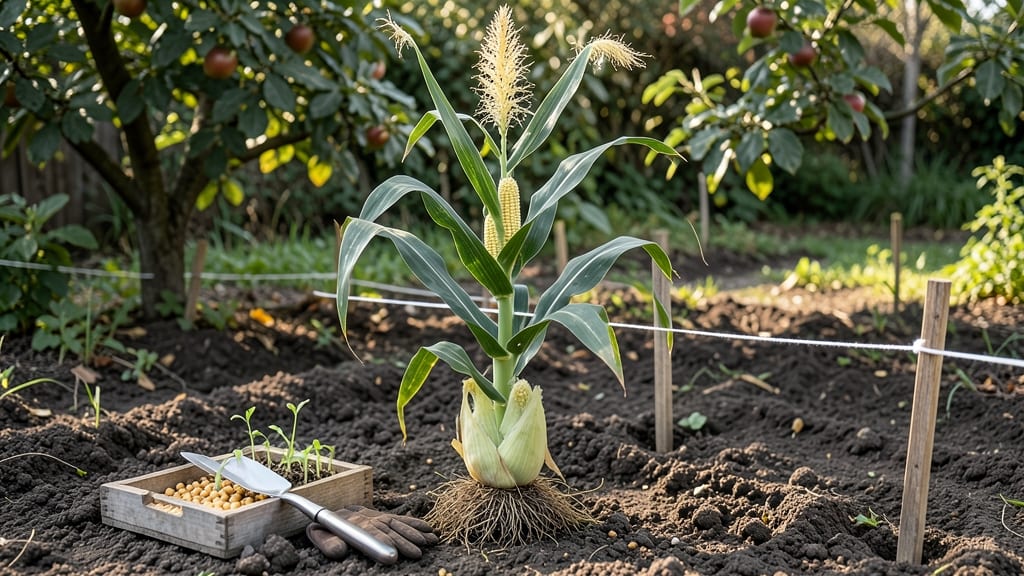
Timing your corn planting in Minnesota can make or break your harvest—get it wrong, and you might lose your 🌽 crop to frost before it even gets a chance to grow.
With Zone 4a-5a winters lingering into May, knowing the exact frost-free window is the key to growing sweet, plump ears every season.
Most Minnesota gardeners aim to plant corn between mid-April and early May, but soil temperature and last frost dates vary by region. Too soon, and chilly nights stunt growth; too late, and you risk missing the 165-day growing season before frost hits again in October.
I’ll break down the best planting windows for your specific zone, plus how to adjust for Minnesota’s unpredictable weather—whether you’re dealing with late springs or early frosts. You’ll also discover which corn varieties thrive best in our short season and how to prep your soil for maximum success.
Ready to grow corn that’s taller than a basketball hoop and packed with flavor? Let’s get started with the exact timing and tips you need to turn your Minnesota garden into a corn patch paradise.
Minnesota corn planting dates by Zone 4-5: exact frost-free timelines
Timing is everything when planting corn in Minnesota. The state’s Zone 4-5 climate means a short growing season, so missing the last frost window can leave you with stunted plants or no harvest at all.
For northern MN (Zone 4), aim for mid-May planting, while southern MN (Zone 5) gardeners can start as early as late April.
Corn thrives when soil temperatures hit 50°F or warmer. Use a soil thermometer to confirm—cold soil delays germination and weakens seedlings. In Zone 4, wait until May 15-20 to ensure safety, while Zone 5 can start April 25-May 5 if the ground isn’t frozen.
Remember, corn needs 90-120 frost-free days to mature fully.
Here’s the critical timeline for Minnesota corn planting, broken down by zone and key milestones:
For Zone 4 gardeners, consider early-maturing varieties (60-70 days to harvest) to squeeze in a full crop. In Zone 5, you can experiment with mid-season varieties (70-90 days) for larger ears. Always check your local frost dates—they can vary by 1-2 weeks even within the same county.
If you’re unsure about frost dates, use the 50°F soil temperature rule as your guide. Corn seeds won’t germinate below this threshold, so waiting ensures strong, healthy starts.
In my Zone 4 garden, I’ve learned the hard way—planting too early in April often means waiting weeks for the soil to warm, delaying growth and risking frost damage.
Another key factor is heat units. Minnesota’s growing season accumulates 2,200-2,800 heat units (growing degree days), which determines which corn varieties will thrive. Short-season varieties (like ‘Early Sunglow’) need 2,000+ heat units, while mid-season types (like ‘Golden Bantam’) require 2,500+.
Use your last frost date to calculate your heat unit total—most MN gardeners fall in the 2,200-2,600 range.
To maximize your corn yield in Minnesota, plant seeds 1 inch deep and 12 inches apart in rows 30 inches apart. This spacing gives plants room to grow tall (up to 10 feet) without competing for sunlight.
In northern MN, I’ve found that hill planting (mounding soil) helps with drainage and warms the soil faster—critical for a shorter season.
Don’t forget to harden off seedlings if you start indoors. Minnesota’s unpredictable spring weather can swing from 40°F mornings to 80°F afternoons in a single week. Acclimate seedlings to outdoor conditions 7-10 days before transplanting to avoid shock.
For extra protection, use row covers or low tunnels to extend the growing season by 2-3 weeks.
Finally, keep an eye on weather forecasts in late May. If a late frost warning appears, be ready to cover young plants with frost blankets or move potted seedlings indoors temporarily. In my experience, Zone 4’s last frost can hit as late as June 1, so always have a
How to adjust corn planting for Minnesota’s unpredictable weather patterns
Minnesota’s weather can shift overnight—one day warm and sunny, the next a surprise frost. To protect your corn crop, I’ve learned to use flexible planting strategies that account for late springs, early frosts, and sudden heatwaves. The key is proactive planning, not just following a calendar.
Start by monitoring your local last frost date (typically mid-May in Zone 4 and early May in Zone 5), but always have a backup plan for delays.
For late springs, use black plastic mulch or row covers to warm the soil faster. These tools can add 2-4 weeks of growing time by raising soil temperatures to 50°F+—the minimum corn needs to sprout.
I’ve even seen gardeners use clear plastic tunnels over seed beds in April to jumpstart germination. Just remove the cover once plants emerge to avoid overheating.
Here’s my go-to