
Plants
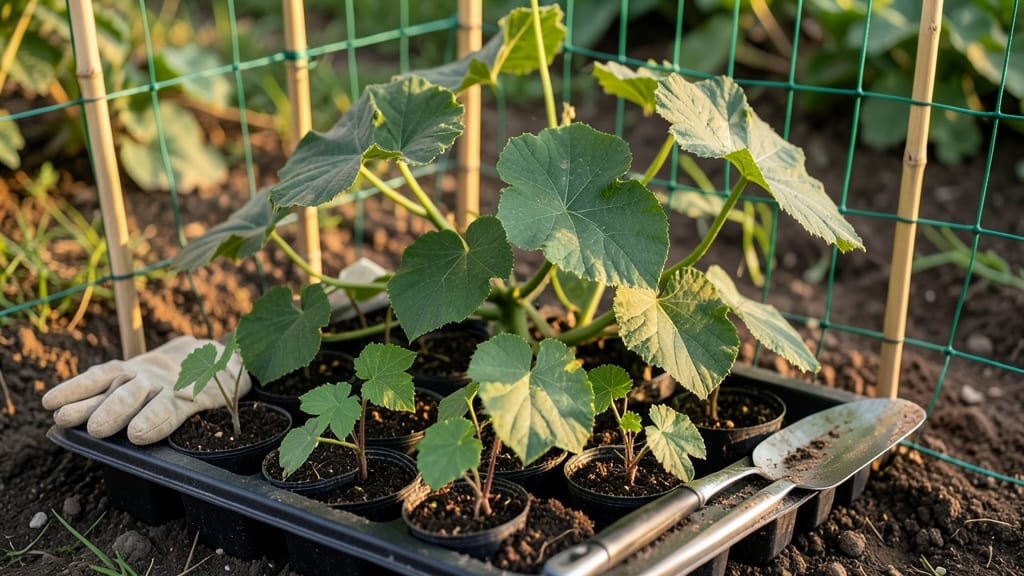
Timing your cucumber 🥒 planting in Australia can make or break your harvest—get it wrong, and you risk frost damage or wilting vines before they even fruit. With Australia's diverse climates, the "perfect" planting window varies dramatically from Queensland's heat to Tasmania's chilly springs.
I've grown cucumbers across three different states, and the biggest lesson? Soil temperature matters just as much as calendar dates. In tropical regions like northern NSW, you can plant as early as August, while Victoria gardeners should wait until late October to avoid frost.
Let me break down the exact windows for your state to ensure your seedlings thrive from day one.
Beyond frost risk, heat waves can stress young plants, so knowing when to start seeds indoors or direct-sow outdoors is critical. We'll cover how to adjust timing for fast-maturing varieties versus slow growers, plus pro tips for extending your harvest into autumn.
Ready to grow cucumbers that actually produce? Let's get started.
From soil prep to companion planting, I'll walk you through every step to maximize your yield—no more guessing games. Whether you're a first-time gardener or a seasoned grower, these state-specific strategies will help you avoid common mistakes and enjoy a bumper crop of crisp, homegrown cucumbers all season long.
Australia’s cucumber planting zones by state: frost-free deadlines
Cucumbers thrive in warm soil and hate frost—so timing your planting windows by state is critical. Australia’s diverse climates mean NSW’s coastal areas can start earlier than Victoria’s alpine regions, while Queensland’s subtropical zones allow year-round growing.
I’ll break down the ideal months for each state to avoid frost damage and maximize your harvest.
First, check your local last frost date—this is your cue to start planting. In Tasmania or Victoria’s highlands, wait until mid-October when soil temperatures hit 15°C (59°F).
Meanwhile, Western Australia’s Perth can begin as early as late August thanks to milder winters. Always use a soil thermometer to confirm readiness.
Here’s how to align your planting with Australia’s state-specific frost-free deadlines:
| State | Ideal Planting Window | Last Frost Date | Soil Temp Requirement | Key Notes |
|---|---|---|---|---|
| New South Wales | Late Sept–Early Oct (coastal); Mid-Oct (inland) | Mid-Sept (coastal); Late Oct (inland) | 15°C (59°F) | Use black plastic mulch for warmth |
| Victoria | Mid-Oct–Early Nov (coastal); Late Oct (inland) | Late Sept–Mid-Oct (coastal); Late Oct (inland) | 15–18°C (59–64°F) | Protect seedlings with cloches |
| Queensland | Year-round (subtropical); Sept–Nov (tropical) | No frost risk | 18–24°C (64–75°F) | Succession plant every 3 weeks |
| Western Australia | Late Aug–Sept (Perth); Sept–Oct (SW) | Late July–Sept | 12–15°C (54–59°F) | Use shade cloth in summer |
| South Australia | Mid-Sept–Early Oct (Adelaide) | Late Aug–Sept | 14°C (57°F) | Plant near windbreaks |
| Tasmania | Mid–Late Oct | Late Sept–Early Oct | 15°C (59°F) | Use row covers for cold snaps |
For Northern Territory and Northern Queensland, cucumbers can grow almost year-round, but summer planting (Nov–Feb) risks heat stress. Focus on shade-cloth protection and daily watering during these months.
In cooler climates like Tasmania, extend your season by planting fast-maturing varieties like ‘Suyo Long’ in November for a late harvest.
Pro tip: Use Bureau of Meteorology frost forecasts to fine-tune your timing. For example
How to adjust planting timing for early vs late varieties
Not all cucumbers mature at the same speed, which means your planting timing should match the variety you choose. Early varieties like Burpee Bush Champion reach harvest in just 55-60 days, while slower types like Marketer take 70-80 days.
This difference changes when you plant—early types can handle cooler soils, while late varieties need warmth to thrive.
For cooler climates like Tasmania or southern Victoria, start with fast-maturing varieties in September-October to avoid spring frosts. In tropical Queensland or northern NSW, you can plant year-round, but choose heat-tolerant varieties for summer to prevent bolting (premature flowering).
Here’s how to balance variety and timing for maximum success:
| Variety Type | Days to Harvest | Best Planting Window | Soil Temp Requirement | Climate Fit |
|---|---|---|---|---|
| Early (e.g., 'Burpee Bush Champion') | 55-60 days | September-October (cooler zones) | 10-15°C (50-59°F) | Temperate, subtropical |
| Mid-Season (e.g., 'Straight Eight') | 60-70 days | October-November (widespread) | 15-20°C (59-68°F) | All zones |
| Late (e.g., 'Marketer') | 70-80 days | November-December (warmer zones) | 20-25°C (68-77°F) | Tropical, subtropical |
Use succession planting to extend your harvest. In temperate zones, sow early varieties every 2 weeks from September to October. In tropical areas, plant heat-tolerant types in spring and fall to avoid summer’s extreme heat.
Always check seed packets for days to maturity and count backward from your first frost date.
Pro tip: Hardening off seedlings 7-10 days before transplanting helps them adapt to outdoor conditions. Gradually expose them to sun and wind to prevent shock, especially for late varieties planted in warmer months.
For cooler microclimates (e.g., mountain valleys), use row covers or greenhouses to extend the season. This lets you plant 2-3 weeks earlier without frost risk. Just remove covers when flowers appear to allow pollination.
🌱