
Plants
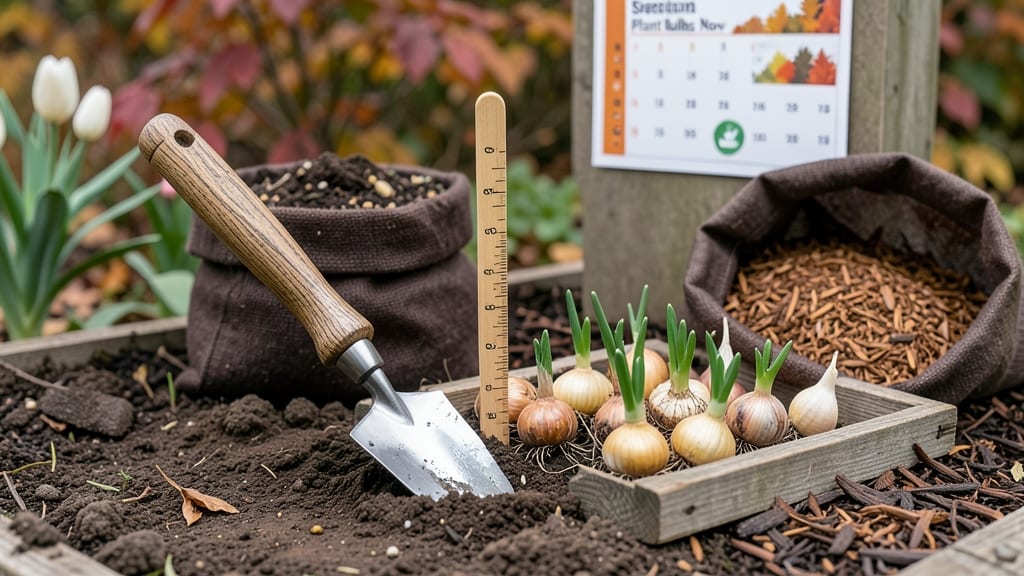
If you’ve ever wondered why your spring-planted bulbs 🌷 in Houston either bloom too late or never seem to take off, timing is the secret ingredient you’ve been missing.
Houston’s mild winters and long growing season mean you can plant bulbs almost year-round—but get the schedule wrong, and you’ll end up with weak flowers or no blooms at all.
The key to success lies in understanding Houston’s unique climate, where Zone 9a conditions allow for two distinct planting windows: fall (September–November) for spring blooms and early spring (January–February) for summer varieties.
Unlike colder regions, you don’t have to rush to beat frost—just work with the heat and humidity to give your bulbs the best start.
In this guide, I’ll break down the exact months to plant everything from tulips to dahlias, plus how to prep your soil and choose the toughest bulbs for Houston’s challenges.
Whether you’re a first-time gardener or a seasoned green thumb, these tips will help you skip the guesswork and enjoy reliable blooms year after year.
Ready to transform your garden? Let’s dive into the foolproof planting schedule that’ll have your bulbs thriving—no matter what Houston throws at them.
Houston’s ideal bulb planting calendar: month-by-month zero-frost guide
Houston’s Zone 8B climate lets you plant bulbs year-round, but timing matters for strong blooms. Unlike colder regions, you won’t face harsh winters—but summer heat can stress bulbs if planted too early. The key is to align planting with soil temperatures and rainfall patterns unique to Houston.
Most gardeners focus on fall planting for spring blooms, but Houston’s mild winters also allow early spring planting. For example, tulips and daffodils can go in the ground as early as January, while lilies and cannas thrive when planted in late spring after the last frost risk.
Here’s your month-by-month guide to planting bulbs in Houston, optimized for zero frost risk and maximum bloom success:
| Month | Best Bulbs to Plant | Soil Temp Goal (°F) | Key Considerations |
|---|---|---|---|
| August | Crocus, Hyacinths, Rain Lilies | 60–70°F | Early fall planting for winter/spring blooms; avoid extreme heat stress. |
| September–October | Tulips, Daffodils, Iris, Allium | 55–65°F | Ideal window for spring blooms; soil cools naturally. |
| November | Paperwhites, Snowdrops, Winter Aconite | 50–60°F | Cold-hardy bulbs; minimal frost risk in Houston. |
| January–February | Tulips, Daffodils, Hyacinths | 55–65°F | Early spring planting; monitor for unexpected cold snaps. |
| March–April | Cannas, Dahlias, Caladiums | 65–75°F | Heat-loving bulbs; plant after last frost (typically mid-February). |
Houston’s humidity and heat mean bulbs planted in summer (June–August) risk rotting before they establish roots. Always check soil moisture—Houston’s clay soil can stay too wet during rainy seasons. For summer bulbs like cannas, wait until April when temperatures stabilize above 65°F.
Pro tip: Use a soil thermometer to confirm temperatures before planting. Aim for 60–65°F for most bulbs, but tropical varieties (like elephant ears) need 70°F+. Houston’s last frost date is typically January 15, but microclimates (e.g., near water features) may experience lighter frosts.
If you miss the ideal window, don’t worry! Many bulbs (like daylilies) are forgiving and can be planted in late winter. Just amend the soil with compost to improve drainage—Houston’s heavy clay can suffocate bulbs if not prepared properly.
For container gardening, plant bulbs in well-draining pots with a cactus/succulent mix to prevent rot. Containers warm up faster, so adjust planting times 2–3 weeks earlier than in-ground bulbs. Place pots in partial shade during peak summer to protect bulbs from 90°F+ soil temperatures.
Remember: Houston’s spring blooms (March–May) rely on bulbs planted in fall, while summer/fall blooms (June–October) come from bulbs planted in spring. Plan ahead to enjoy continuous color year-round!
5 Critical factors that determine Houston bulb planting success
Houston’s humid subtropical climate creates unique challenges for bulb planting—like heat stress and soil moisture fluctuations. Unlike cooler regions, bulbs here must handle 90°F+ summers and mild winters, so timing and conditions matter more. Here’s what I focus on to guarantee vibrant blooms year after year.
First, soil temperature is non-negotiable. Bulbs like tulips and daffodils need 60-65°F soil to sprout, but Houston’s summer heat can push soil temps to 85°F+. I always check with a soil thermometer before planting—especially in August or September—to avoid shocking roots.
Rainfall patterns are another game-changer. Houston’s 100+ inches of annual rain can drown bulbs if planted too shallow. I opt for raised beds or well-draining soil mixes to prevent rot. A 2-inch layer of mulch also helps regulate moisture without smothering bulbs.
Plant when soil is 60-65°F (use a thermometer!). Avoid summer heat stress by planting in fall (Sept-Nov) or early spring (Jan-Feb).
Houston’s heavy rain requires raised beds or amended soil. Add perlite or sand to prevent waterlogging.
Choose heat-resistant bulbs like daylilies or spider lilies. Avoid traditional tulips unless planted in partial shade.
Houston’s humidity increases bulb rot. Space bulbs 3-4 inches apart and avoid overhead watering.
North-facing beds stay cooler. Use container gardens for flexibility in urban Houston heat islands.
Houston’s humidity also raises fungal risks, so I space bulbs 3-4 inches apart and water at the base (never overhead). For container gardens, I use fast-draining mixes with orchid bark or coconut coir to mimic natural conditions. This keeps roots happy without soggy soil.
Lastly, microclimates in Houston can shift your planting strategy. A north-facing bed might stay cool enough for tulips in summer, while a south-facing spot could fry them. I’ve had success with container gardens on patios—they let me move bulbs to shade during peak heat.
Pro tip: Test your soil’s pH (aim for 6.0-7.0) and amend with compost or bone meal before planting. Houston’s clay-heavy soil benefits from organic matter to improve drainage and fertility. With these tweaks, your bulbs will thrive—even in our unpredictable weather! 🌱