
Plants
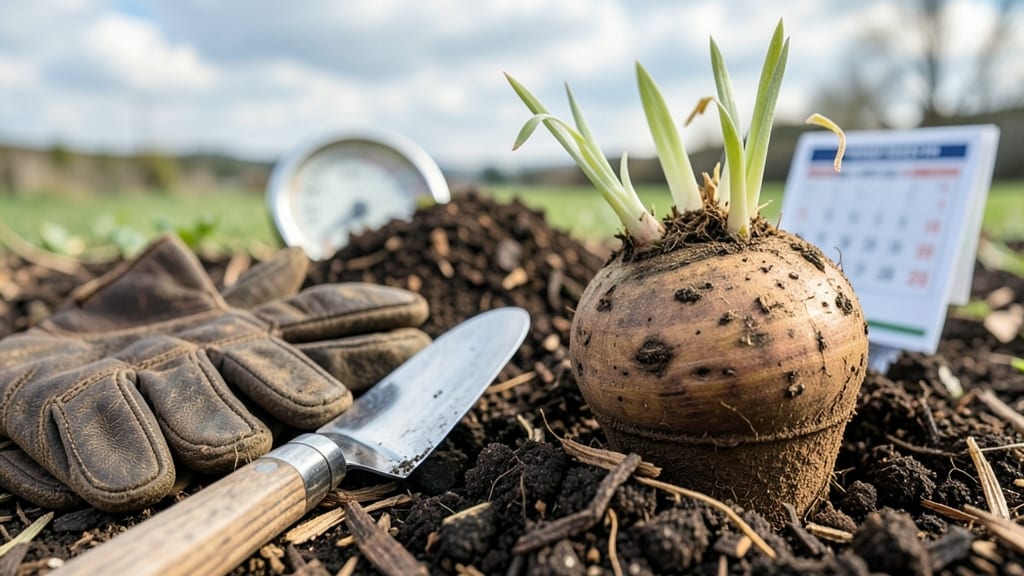
Maine’s dahlias planting timeline: frost-date formula for perfect blooms
Timing your dahlia tubers in Maine’s Zone 5b-6b is all about beating the late frosts while waiting for soil warmth. The average last frost date hovers around May 15, but planting too early risks frost damage—even hardened tubers can fail if soil stays below 50°F (10°C).
My rule? Wait 4-6 weeks after that date, aiming for late May to early June when soil hits 60°F (15°C).
Maine’s short growing season (just 165 frost-free days) demands precision. Dahlias need 90-120 days to bloom, so planting too late cuts your flowering window short. I’ve learned the hard way—skipping this window means missed blooms or stunted growth. Let’s break down the exact steps to nail your planting schedule.
🌱 Key Tip: Use a soil thermometer to confirm readiness. Cold soil slows root growth, leaving plants vulnerable to late-season frosts.
🌼 Maine Dahlias Planting Timeline
| Stage | Action | Notes |
|---|---|---|
| Late April | Chit tubers indoors (place in bright light, 60-65°F) | Encourages early sprouting |
| Mid-May | Hardening tubers (move outdoors during day, bring in at night) | Prevents shock when planted |
| Late May-Early June | Plant tubers 4-6" deep, 12" apart | Soil temp ≥60°F (15°C) |
| June-July | Fertilize (5-10-10), stake if needed | Supports rapid growth |
| October | Dig tubers before first frost | Store in peat moss at 35-40°F |
For Maine gardeners, the soil temperature is your best friend. I test mine with a digital thermometer—anything below 60°F (15°C) delays planting. Pro tip: If your soil warms slowly, black plastic mulch can raise temps by 5-10°F in just days.
This trick has saved my dahlias from frost in cooler-than-average springs.
Another critical factor is tuber chitting. Starting tubers indoors in late April gives them a 4-6 week head start. I place mine near a south-facing window or under grow lights to encourage sprout growth before outdoor conditions stabilize.
Without this step, your dahlias may bloom later or not at all in Maine’s short season.
If you’re in northern Maine (Zone 4), push planting to early June—the risk of late frosts is higher. I’ve seen May frosts as late as June 1 in Acadia or Bar Harbor.
For these areas, row covers or a mini greenhouse can buy you extra frost-free weeks.
One common mistake I see? Planting too deep or too shallow. Dahlias need 4-6 inches of soil coverage—any deeper, and they rot; too shallow, and they flop.
I mark my planting depth with a wooden stake to avoid guesswork. Pair this with well-draining soil (amend with compost if needed), and your tubers will thrive.
Finally, track your local frost dates using the National Weather Service or Old Farmer’s Almanac. Maine’s microclimates vary wildly—coastal areas warm faster than inland spots. Adjust your planting window by 1-2 weeks based on your specific USDA Zone (e.g., Zone 5a vs. Zone 6a).
With this frost-date formula, my dahlias bloom reliably from July to October, even in Maine’s chillier climate. The key? Patience and preparation—wait for the right soil temp, chit your tubers, and protect from late frosts.
Your garden will thank you with vibrant blooms all season. 🌸
5 Critical signs your Maine garden is ready for dahlias (and how to fix delays)
Planting dahlias in Maine isn’t just about dates—it’s about reading your garden’s signals. Cold soil or unhardened tubers can spell disaster, but these 5 key signs will tell you when your garden is truly ready.
Pay attention to soil warmth, tuber readiness, and even local weather patterns to avoid costly mistakes.
First, check your soil temperature—dahlias need 60°F (15°C) minimum to thrive. Use a soil thermometer (they’re cheap!) and test in the morning. If it’s below 55°F (13°C), your tubers will struggle to root. Cold soil slows growth, leaving plants vulnerable to late frosts that Maine is infamous for.
Next, inspect your dahlia tubers for eyes sprouting. Healthy tubers should have 2-3 inch sprouts before planting.
If yours are still dormant, chill them in a cool, dark place (like a garage) for 4-6 weeks to encourage growth. Overly soft tubers or mushy sprouts mean they’ve rotted—discard these immediately to avoid spreading disease.
Don’t ignore local weather patterns—Maine’s late frosts can sneak up even after Memorial Day. Check the 7-day forecast for nighttime temps below 45°F (7°C).
If frosts are predicted, delay planting or use row covers to protect young plants. Pro tip: Plant dwarf varieties first—they recover faster if temps dip.
If your soil is still too cold, amend it immediately. Mix in compost or aged manure to warm it faster, and consider planting in black plastic mulch to raise soil temps by 5-10°F.
For tubers that aren’t ready, store them in a paper bag in the fridge until sprouts appear. Rushing planting is the #1 mistake Maine gardeners make!
Finally, confirm the official last frost date for your area—Maine’s varies by 2-3 weeks depending on location. Coastal areas (like Portland) warm earlier, while inland spots (like Bangor) lag behind.
Use the USDA Plant Hardiness Zone Map as a guide, but always plant 2-3 weeks after the average last frost for safety.
When all 5 signs align, your dahlias will thrive—not just survive. Happy planting! 🌱