
Plants
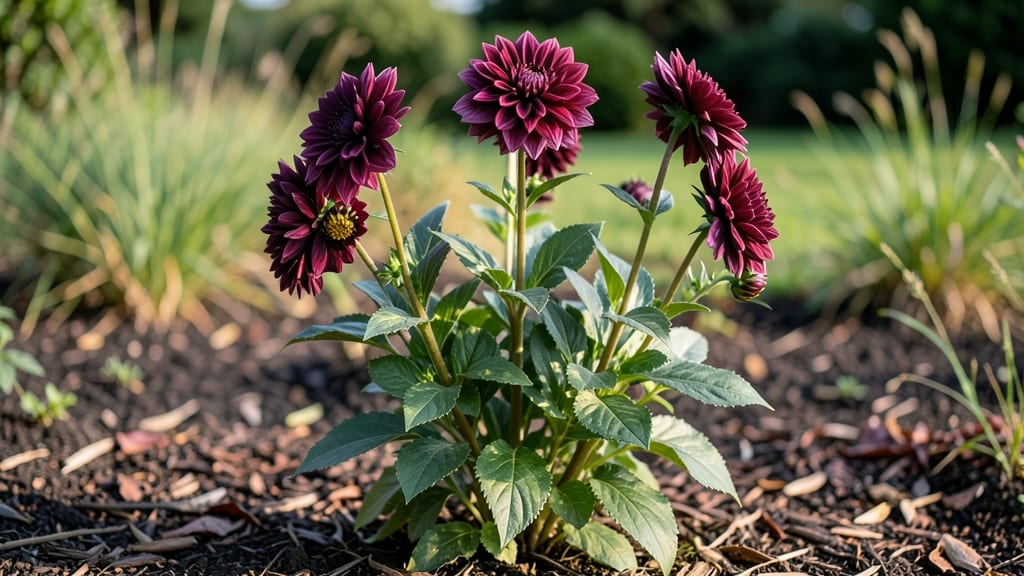
Timing your dahlias planting in Vermont could mean the difference between a showstopping summer garden and a sad, frost-nipped failure. With Vermont’s unpredictable springs, getting those tubers in the ground too early risks killing your plants, while waiting too long might leave you with fewer blooms by summer.
Most Vermont gardeners in zones 4b-6a should wait until mid-April to mid-May—after the last frost—when soil temperatures hit a steady 60°F.
But if you’re in colder pockets like the Northeast Kingdom, you might need to push planting back to early June to avoid late frosts that can devastate your 🌼 dahlias before they even take root.
Don’t stress if your spring is late—there are smart ways to extend your growing season. Whether you’re hardening off tubers indoors or using row covers, these strategies will help you maximize bloom time in Vermont’s short but sweet summer. Let’s break down the exact steps to get your dahlias thriving.
From soil prep to staking, I’ll walk you through everything you need to know to avoid common mistakes and keep your dahlias blooming from July through October. Ready to turn your garden into a Vermont dahlia paradise?
Vermont’s ideal dahlias planting window: Zone 4 vs Zone 5 deadlines
Vermont’s short growing season and late spring frosts demand precise timing when planting dahlia tubers. In Zone 4 (northern VT), aim for after May 15, while Zone 5 (southern VT) can plant 2 weeks earlier.
These dates align with Vermont’s average last frost but always check local forecasts—Burlington often sees frost until May 20, while Stowe can linger until May 25.
Soil temperature is just as critical as air temperature. Dahlias thrive when soil reaches 60°F (15°C), signaling tubers can safely sprout without frost damage. Use a soil thermometer to confirm readiness—cold soil delays growth and invites rot.
In Zone 4, this often means waiting until late May, while Zone 5 may hit this mark by mid-May.
🌱 Vermont Dahlias Planting Timeline
| Zone | Last Frost Date | Ideal Planting Window | Soil Temp Threshold | Backup Strategy |
|---|---|---|---|---|
| Zone 4 (Stowe, Newport) | May 20–25 | May 25–June 10 | 60°F (15°C) | Start tubers indoors in March |
| Zone 5 (Burlington, Bennington) | May 10–15 | May 15–May 30 | 60°F (15°C) | Use row covers after planting |
📅 Pro Tip: Vermont’s unpredictable springs mean flexibility is key. Keep tubers in paper bags near your fridge (not inside) until planting day.
For Zone 4 gardeners, consider indoor pre-sprouting in late March. Place tubers in a moist paper towel in a warm, bright spot (70°F) until sprouts emerge—3–4 weeks before your target outdoor date.
This head start compensates for Vermont’s late frost risk and gives dahlias a 2-week growth advantage.
If you miss the ideal window, don’t panic! Dahlias tolerate transplanting well until June 15, though blooms may arrive 4–6 weeks later. Choose compact varieties like ‘Café au Lait’ or ‘Thomas Edison’ for quicker results.
Just ensure your garden bed gets full sun—Vermont’s short summer days mean dahlias need every sunlight hour to thrive.
One Vermont-specific hack: Warm your soil faster by covering beds with black plastic mulch 2 weeks before planting. This raises soil temps by 5–10°F, accelerating growth and extending your planting window by 7–10 days. Just remove the plastic before planting to avoid overheating tubers.
Remember, dahlias are tender perennials—they won’t survive Vermont winters outdoors. Plan to dig and store tubers by October 15 (before first frost) in dry peat moss at 35–40°F until next spring. This annual cycle is non-negotiable in our climate!
For Zone 5 gardeners, the window is narrower but still manageable. Plant early varieties like ‘Happy Single’ by May 15 to ensure blooms by July 4. In Zone 4, prioritize late-season varieties like ‘Galaxy’ or ‘Karma Choc’—their longer maturity (120+ days) aligns with Vermont’s shorter summer.
Finally, track your local microclimate. A south-facing slope in Zone 4 may warm up 2 weeks earlier than a northern exposure. Use this to your advantage by planting earlier in warm pockets of your garden. Just monitor nighttime temps)—dahlias can’t handle below 50°F without protection.
With these Vermont-specific deadlines and strategies, your dahlias will bloom reliably despite our cool climate. Next, we’ll explore how to extend your dahlias’ season even further—because in Vermont, every extra bloom day counts! 🌼
How to extend your dahlias season in Vermont’s short growing period
Vermont’s short growing season (just 160 frost-free days) can feel like a race against time for dahlias. But with the right strategies, you can extend blooms by 3-4 weeks—even in Zone 4. The secret? Pre-sprouting tubers indoors and using protective covers to shield tender growth from late frosts.
Start by hardening off tubers in late March. Place them in a cool, bright spot (60-65°F) and watch for 1-inch sprouts. This head start gives your dahlias a 2-3 week advantage over direct planting.
For extra insurance, try row covers or cloches after transplanting—these can raise soil temps by 5-8°F and delay frost damage.
- Pre-sprout tubers indoors 4-6 weeks before last frost (late March).
- Choose early varieties like ‘Karma Choc’ (75 days) over late bloomers.
- Use row covers or floating row covers to protect young plants.
- Plant in south-facing beds for maximum sunlight exposure.
- Mulch heavily with straw or leaves to insulate roots from cold snaps.
For Zone 4 gardeners, consider container growing. Dahlias in pots can be moved indoors before frost (October 1 in Vermont) and overwintered in a cool, dark basement. Choose dwarf varieties like ‘Café au Lait’ (2-3 ft tall) to simplify care and maximize your small-space blooms.
Don’t overlook soil preparation—amend beds with compost and aged manure in early spring. Warm soil (60°F+) speeds up root growth, giving your dahlias a faster start. Test your soil’s pH (6.0-7.0 ideal) and add lime if needed—acidic soil stunts growth in Vermont’s rocky terrain.
Finally, deadhead regularly to encourage more blooms. With these extensions, your dahlias can keep flowering until hard frost—sometimes even into late October with proper care. The key is planning ahead and protecting vulnerable growth.