
Plants
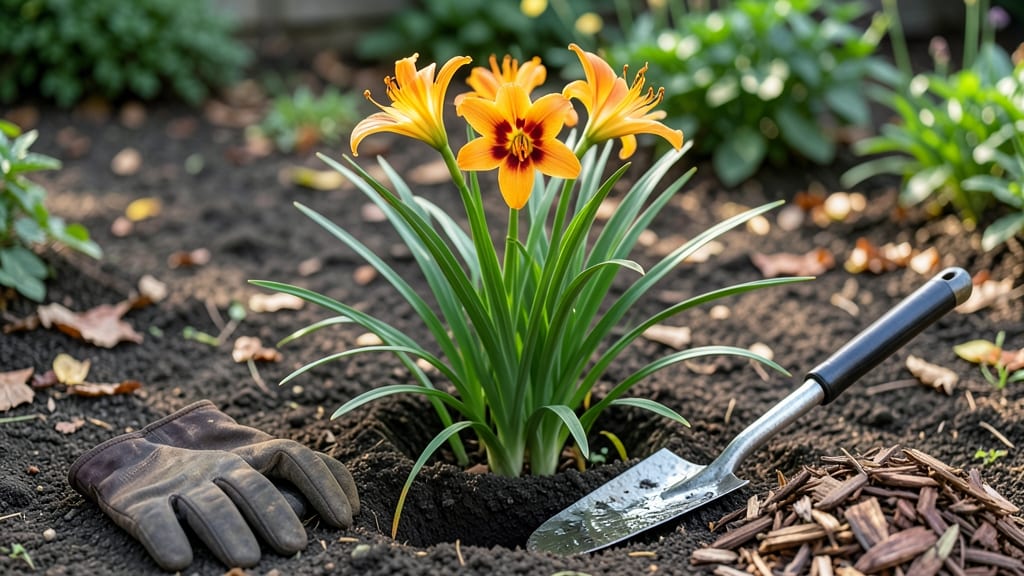
Timing your Daylily 🌸 planting in Georgia can mean the difference between a garden bursting with color and one that struggles to take root.
With Georgia's diverse climate zones—from 7b to 8b—knowing the perfect window avoids both frost damage and summer heat stress, ensuring your plants thrive from the start.
Most gardeners swear by planting in early spring or fall, but the exact timing depends on where you live in the state. In the cooler Piedmont region, you might start as early as March, while coastal areas can extend planting into November thanks to milder winters.
Why does timing matter so much? Because Daylilies need 6-8 weeks to establish strong roots before summer's intensity hits. Plant too late, and you risk weak growth; too early, and frost can damage tender shoots. Let me show you the exact frost-free windows for your area.
Ready to set your Daylilies up for a show-stopping summer display? I’ll break down the best months for each Georgia region, soil prep secrets, and how to protect your plants from both heat and cold—so you can enjoy those vibrant blooms from June through August without the guesswork.
Best planting months for Georgia daylilies by region (frost Zone map)
Georgia’s USDA hardiness zones 7-9 create perfect conditions for daylilies, but timing matters to avoid frost damage or summer stress. North Georgia’s cooler winters (Zone 7a-7b) demand earlier planting, while South Georgia’s warmer microclimates (Zone 8b-9a) allow later windows.
Let’s break down the optimal months for each region based on soil temperatures and frost risks.
Daylilies thrive when soil temps reach 50°F (10°C)—this triggers root growth without risking frost damage.
In North Georgia, aim for March-April (spring) or September-October (fall), when daytime highs are mild but nights stay above freezing. Central Georgia gardeners can extend fall planting to early November, while South Georgia can push boundaries to late November in frost-free zones.
Soil temperature thresholds are your best guide: use a soil thermometer to confirm 50°F+ before planting. In Zone 7b, wait until after March 15 (average last frost date), while Zone 8a+ areas can plant as late as November 15 with proper mulching. Urban Atlanta (Zone 8a) often experiences heat islands, allowing slightly later plantings than rural areas.
| Region | USDA Zone | Best Planting Months | Soil Temp Threshold | Key Consideration |
|---|---|---|---|---|
| North Georgia | 7a-7b | March-April, September-October | 50°F+ | Avoid late fall frost risk |
| Central Georgia | 8a | March-April, September-November | 50°F+ | Urban heat islands extend fall window |
| South Georgia | 8b-9a | March-April, September-December | 55°F+ | Mild winters allow late plantings |
For North Georgia gardeners, spring planting (March-April) is ideal—it gives roots time to establish before summer heat arrives. Fall planting (September-October) works too, but avoid November unless you’re in Zone 8a+. Central Georgia offers flexibility: plant in March-April for summer blooms or September-November for next-year flowers. South Georgia’s longer frost-free season lets you plant as late as December in Zone 9a, though blooms may be delayed.
Always check local frost dates—Georgia’s microclimates vary wildly. For example, Blue Ridge Mountains (Zone 7b) may see frost until April 15, while Savannah (Zone 8b) rarely drops below freezing after December 15.
Use the National Weather Service’s frost maps or ask your local Cooperative Extension office for precise data.
Pro tip: Container gardening extends your planting window—pots warm up faster in spring and can be moved indoors if frost threatens.
Just ensure containers have drainage holes and use well-draining soil mixes to prevent root rot. Mulching with 3-4 inches of straw or pine needles also protects roots in fall plantings.
Remember: Daylilies planted in fall often bloom earlier the following year because roots establish during cool, moist conditions. Spring plantings, however, give you immediate summer blooms—perfect if you’re landscaping for quick impact. Balance your goals with Georgia’s climate to choose the best timing for your garden.
🌱
How to time daylily planting for longer blooms: pre-fall vs. early spring
Georgia’s microclimates create unique challenges for daylily planting. Urban Atlanta’s heat islands can delay spring growth, while rural Piedmont areas may experience earlier frosts. Choosing between fall (September-October) and spring (March-April) planting directly impacts your daylilies’ bloom duration and winter survival.
Fall planting gives roots 6-8 weeks to establish before winter, while spring planting avoids late-season heat stress. Both methods have trade-offs—let’s break down which timing works best for your Georgia garden’s specific conditions.
🌸 Georgia-Specific Tip: In Zone 8a+ (Central/South Georgia), you can push fall planting to November with proper mulching, while Zone 7b (North Georgia) gardeners should aim for early October to avoid frost damage.
Fall Planting (September-October)
- Roots establish before winter
- Less competition from weeds
- Spring blooms arrive earlier
- Risk of late frost in Zone 7b
- Limited plant selection at nurseries
- Requires winter mulching
Spring Planting (March-April)
- Avoids winter stress entirely
- Wider plant selection available
- Better for urban heat zones
- Slower root establishment
- Summer heat may stress new plants
- Blooms arrive later in season
For longer bloom seasons, I recommend fall planting in Zone 8a+ areas, where mild winters allow roots to establish without frost risk. In Zone 7b, spring planting often yields better results due to earlier frost dates.
Pro Atlanta gardeners with urban heat islands should plant in late March to avoid summer heat stress, while rural North Georgia gardeners benefit from October planting to maximize root growth before winter.
Remember: Soil temperature matters most—wait until the ground warms to 60°F+ for spring plantings or cools to 65°F for fall plantings. Use a soil thermometer to track conditions in your specific microclimate.