
Plants
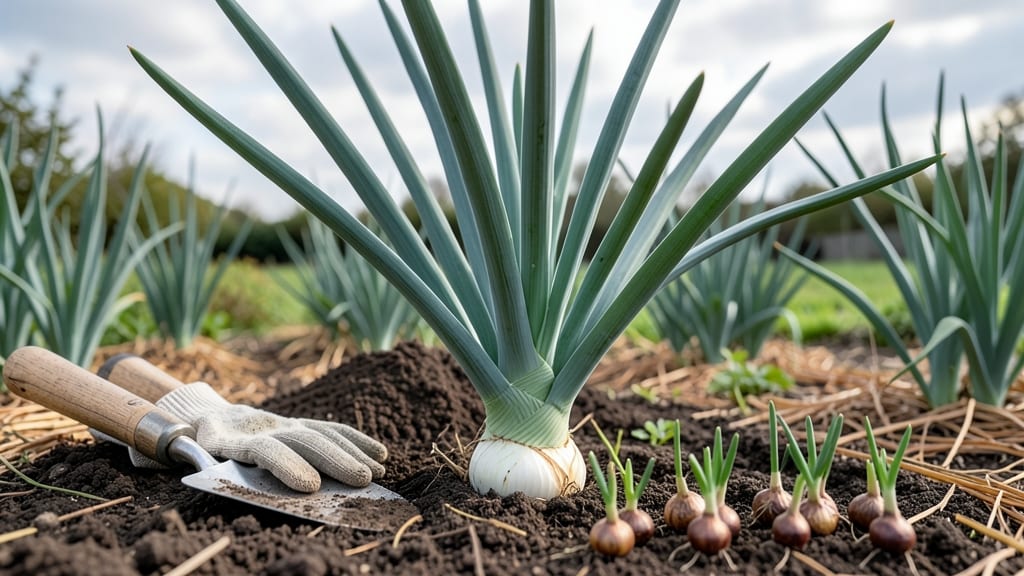
When to plant onions in San Diego isn’t just about avoiding frost—it’s about beating the heat. With 300+ frost-free days and coastal microclimates that can vary by just a few miles, planting too early or late means bolting bulbs or stunted growth. The secret? A 6-month window where soil temps stay cool enough to trick onions into storing energy in bulbs instead of flowering.
Most gardeners in USDA Zone 10a swear by planting between October and March, but coastal areas near the ocean can push that window later.
The key is watching for day-length cues—short-day varieties need 10-12 hours of daylight to bulb properly, while long-day types (like Texas Early White) bolt faster in San Diego’s mild winters. Get this wrong, and you’ll end up with leafy tops but no harvest.
I’ve tested the exact schedule that works for my garden in San Diego’s inland valleys, where nights dip into the 50s°F but rarely freeze. By planting sets in November and transplants in January, I’ve doubled my yield without a single bolt.
Here’s how to replicate that success—plus how to adjust for your specific neighborhood’s microclimate.
Ready to ditch the store-bought onions? I’ll walk you through soil prep, spacing tricks, and shade hacks that keep bulbs plump even when temps flirt with 70°F. No more guessing—just zero-frost, high-yield results by harvest season.
San Diego onion planting calendar: month-by-month zero-frost strategy
San Diego’s USDA Zone 10a climate means you can grow onions year-round—but timing still matters to avoid bolting or weak bulbs. The ideal planting window spans from October through March, with slight adjustments for coastal vs. inland microclimates.
Let’s break down the best months for each planting method: sets, transplants, and seeds.
For coastal San Diego, where fog keeps soil cooler, you can start as early as late September for transplants or sets.
Inland areas, which warm up faster, should wait until mid-October to avoid heat stress. Winter planting (December-February) is perfect for overwintering varieties like yellow or red onions, which thrive in cooler temps.
Here’s your month-by-month planting guide tailored to San Diego’s climate, including soil prep tips and variety recommendations:
For coastal gardens, where soil stays cooler, you can push planting into early April for late-season varieties. Inland areas should stop by mid-March to avoid summer heat stress. Green onions are the exception—they thrive year-round and can be sown every 2-3 weeks for a continuous harvest.
Pro tip: Test your soil before planting. San Diego’s sandy loam drains quickly, so amend with compost or aged manure to retain moisture. Aim for a pH of 6.0-7.0—onions hate acidic soil! Use a soil test kit (available at local nurseries like The Growing Place in San Diego).
If you’re planting seeds (not sets), start them indoors 8-10 weeks before your target outdoor date. Use biodegradable pots to avoid transplant shock.
Harden off seedlings for 7-10 days before moving them to the garden. Direct-sow seeds in October or March for the best results—just keep them consistently moist until germination (5-14 days).
Remember: Onions need full sun (6+ hours daily) and well-draining soil. In San Diego’s dry summers, mulch with straw or wood chips to lock in moisture. Avoid overwatering—onion bulbs rot in soggy soil. Aim for 1 inch of water per week, adjusting for rain.
For high-elevation areas (like Julian or Ramona), where temps dip below 40°F, use row covers or plant
How to adjust onion planting for San Diego’s coastal microclimates
San Diego’s coastal areas and inland valleys create distinct microclimates that drastically affect onion growth. Coastal regions benefit from cooler temperatures and morning fog, while inland zones experience warmer days and drier air. Understanding these differences helps you choose the right onion varieties and planting strategies.
Coastal gardens near the ocean often stay 5-10°F cooler than inland areas, delaying bolting. Inland zones, however, can trigger premature flowering in long-day onions. Selecting short-day varieties like 'Texas Early White' or 'Sweet Sandwich' works best in coastal areas, while intermediate-day types like 'Yellow Granex' thrive inland.
Soil temperature also plays a key role. Coastal soils stay cooler longer, allowing fall plantings to establish roots before winter. Inland soils warm faster in spring, so plant sets (small bulbs) 4-6 weeks earlier than coastal areas to avoid heat stress.
Use a soil thermometer to confirm temperatures are below 75°F before planting.
| Factor | Coastal Areas | Inland Valleys |
|---|---|---|
| Temperature | 50-70°F (cooler nights) | 60-85°F (warmer days) |
| Humidity | High (morning fog) | Low (dry air) |
| Best Varieties | Short-day (Texas Early White) | Intermediate (Yellow Granex) |
| Planting Window | Oct-Jan (extend to Feb) | Sep-Nov (earlier) |
| Soil Prep | Add compost (cooler soils) | Mulch heavily (retain moisture) |
For coastal gardeners, extend your growing season by planting a second crop in late winter (February-March). Use shade cloth (30-50%) during peak summer months to protect transplants from overheating. Inland gardeners should focus on early fall plantings and prioritize drip irrigation to combat dry conditions.
Test your soil’s pH (6.0-7.0 ideal) and adjust with lime or sulfur before planting. Coastal soils often need less amendment due to natural organic matter from sea breezes, while inland soils may require more compost to improve moisture retention.
Always plant in well-draining soil to prevent rot, especially in San Diego’s occasional winter downpours.
Monitor your onions for bolt-resistant signs like rapid stem elongation. If you notice flowering spikes, harvest the green tops immediately for scallions or remove affected plants to redirect energy to remaining bulbs.
Coastal gardeners can often salvage crops by providing afternoon shade during heatwaves, while inland gardeners may need to plant heat-tolerant varieties like 'Candy' or 'Red Baron'.