
Plants
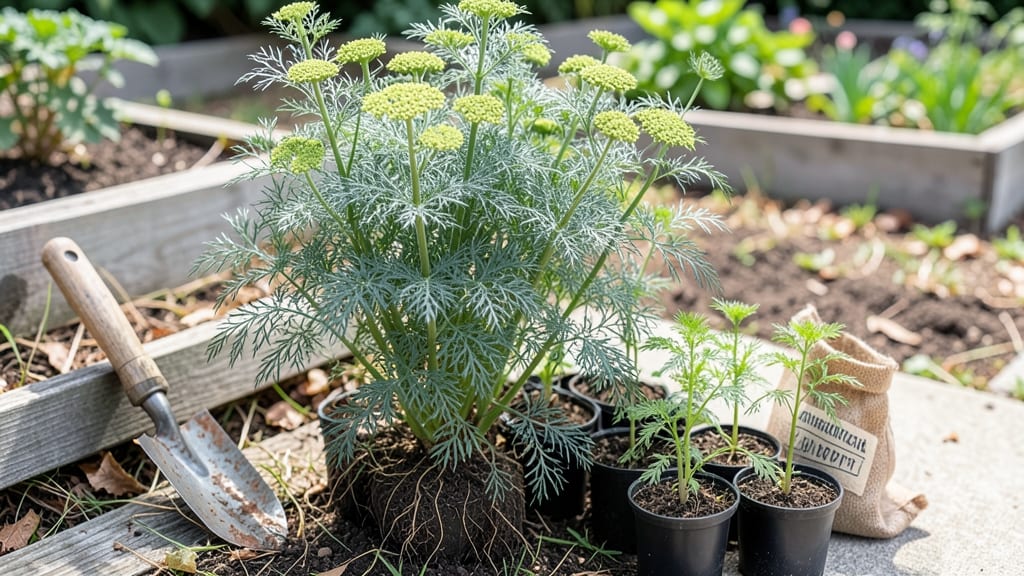
Knowing when to plant dill in Zone 9 is the secret to avoiding bitter, bolted herbs and enjoying fresh 🌿 all season long. If you’ve ever planted dill only to watch it race toward flowers instead of flavorful leaves, you’re not alone—timing is everything in our warm climate.
Zone 9’s mild winters and long summers mean dill thrives in fall or late winter, but getting it wrong can turn your garden into a sad, leggy disappointment. The key? Planting seeds directly in September or October for a winter harvest, or in January-March to beat the heat.
I’ll show you exactly how to sync your planting with Zone 9’s microclimates—whether you’re in coastal Southern California or inland Arizona—to maximize flavor and yield.
Beyond months, I’ll cover the 3 biggest mistakes that trigger bolting (spoiler: it’s not just heat) and how to extend your harvest with simple tricks like shade cloth and succession planting.
By the end, you’ll know not just when to plant, but how to keep your dill lush, aromatic, and ready for your favorite dishes.
Ready to grow dill that tastes like it came from a farmers’ market instead of a seed packet? Let’s dive into the exact planting schedule—and the secrets to keeping your 🌿 happy all year.

Optimal planting months for dill in Zone 9 (avoiding bolting)
Zone 9’s warm climate means dill thrives year-round, but timing is critical to prevent premature bolting. The best windows are fall (September-October) and late winter (January-February), when temperatures stay mild but not scorching.
Planting too early in summer risks heat stress, while late-spring plantings often bolt before harvest.
Dill seeds germinate best in soil between 60°F and 75°F. In Zone 9, this means avoid planting after March—heat spikes above 85°F trigger bolting (flowering) within weeks. Coastal areas can extend spring planting slightly later due to cooler ocean breezes.
For a fall harvest, sow seeds in late summer (August-September) to take advantage of cooler nights. Young plants handle mild winter temps down to 25°F, so fall-sown dill often survives until December harvests. This strategy skips summer’s bolting risks entirely.
Zone 9’s microclimates matter! Inland areas like Phoenix or Las Vegas should plant earlier (August-September) to escape summer heat. Coastal cities like San Diego or Los Angeles can push planting to September-October thanks to ocean moderation.
🌱 Key Planting Windows for Zone 9 Dill
- 1. Fall Planting: September 15-October 15 → Harvest November-December before winter slows growth.
- 2. Winter Planting: January 1-February 15 → Harvest March-May when days lengthen.
- 3. Early Spring (Coastal Only): February 20-March 10 → Risky inland; bolt likely by April.
- ❌ Avoid: April-July → Heat triggers bolting within 3-4 weeks of planting.
💡 Pro Tip: Use shade cloth (30-50%) if planting in late spring to delay bolting.
Direct sowing is always better than transplants for dill. Seeds germinate in 7-14 days when kept moist. Plant seeds ¼-inch deep in well-draining soil with compost mixed in. Thin seedlings to 12 inches apart—crowding stresses plants and speeds bolting.
Soil prep is non-negotiable. Dill hates soggy roots but needs consistent moisture. Amend clay soils with sand or perlite and test pH—ideal range is 6.0-7.0. A light fertilizer (5-10-10) at planting boosts early growth without encouraging rapid bolting.
Monitor your dill’s leaf color for bolting signs. Yellowing leaves or tall flower stalks mean it’s too late for leaf harvests. In Zone 9, fall-sown plants often bolt in December—plan to harvest leaves by November 15 for peak flavor.
For year-round harvests, stagger plantings every 4-6 weeks from September through February. This ensures fresh dill when you need it, whether for pickling cucumbers or garnishing summer salads.
Remember: Dill’s flavor peaks when leaves are young. The longer you wait, the more bitter the taste becomes. Harvest regularly to encourage bushier growth and delay bolting.
Optimal planting months for dill in Zone 9 (avoiding bolting)
In Zone 9, dill thrives with precise timing—plant too early, and heat triggers bolting; too late, and you miss the fall harvest window. The sweet spot? Late winter to early spring (January–March) or fall (September–October), when soil temps hover between 50–70°F.
Coastal areas like Southern California can push fall planting to November, while inland zones (e.g., Arizona) should aim for September to escape summer’s intensity.
Dill’s 60-day growth cycle demands cool weather. Planting in August risks bolting before leaves mature—heat stress sends the plant into flower mode.
Instead, align your schedule with Zone 9’s mild winters: seeds sown in September germinate quickly in warm soil but mature before winter chill sets in (typically by December 15).
- Fall (Best Option): September–October – Soil temps ideal (60–70°F), minimal bolting risk. Harvest by December.
- Winter: January–February – Cool soil prevents premature flowering; harvest by April.
- Early Spring: March – Last chance before summer heat; harvest by May.
Microclimates matter! Coastal Zone 9b (e.g., San Diego) can extend fall planting to November, while inland Phoenix should stop by September 15. Test soil temps with a thermometer—dill seeds need 50°F+ to germinate, but 75°F+ triggers bolting. Aim for 60–70°F soil for balanced growth.
Direct-sow seeds ½ inch deep, spacing them 12–18 inches apart—dill’s taproot dislikes transplanting. Use well-draining soil (amend with compost) and mulch to retain moisture.
In containers, choose deep pots (12+ inches) for root space. Water deeply after planting, then keep soil consistently moist (not soggy) to prevent stress-induced bolting.
For a second harvest, succession-plant every 3–4 weeks in fall. Start with 10 seeds per spot—dill self-seeds prolifically, but thinning ensures stronger plants. Pair with companion plants like bush beans or cucumbers; avoid carrots (they compete for space).
Harvest begins when leaves reach 4–6 inches—pinch stems to encourage bushiness. Wait 60–75 days for seeds (let 10% of flowers mature). In Zone 9, this aligns with November–December for fall plants or April–June for spring. Store dried seeds in a cool, dark jar for next year’s crop.